

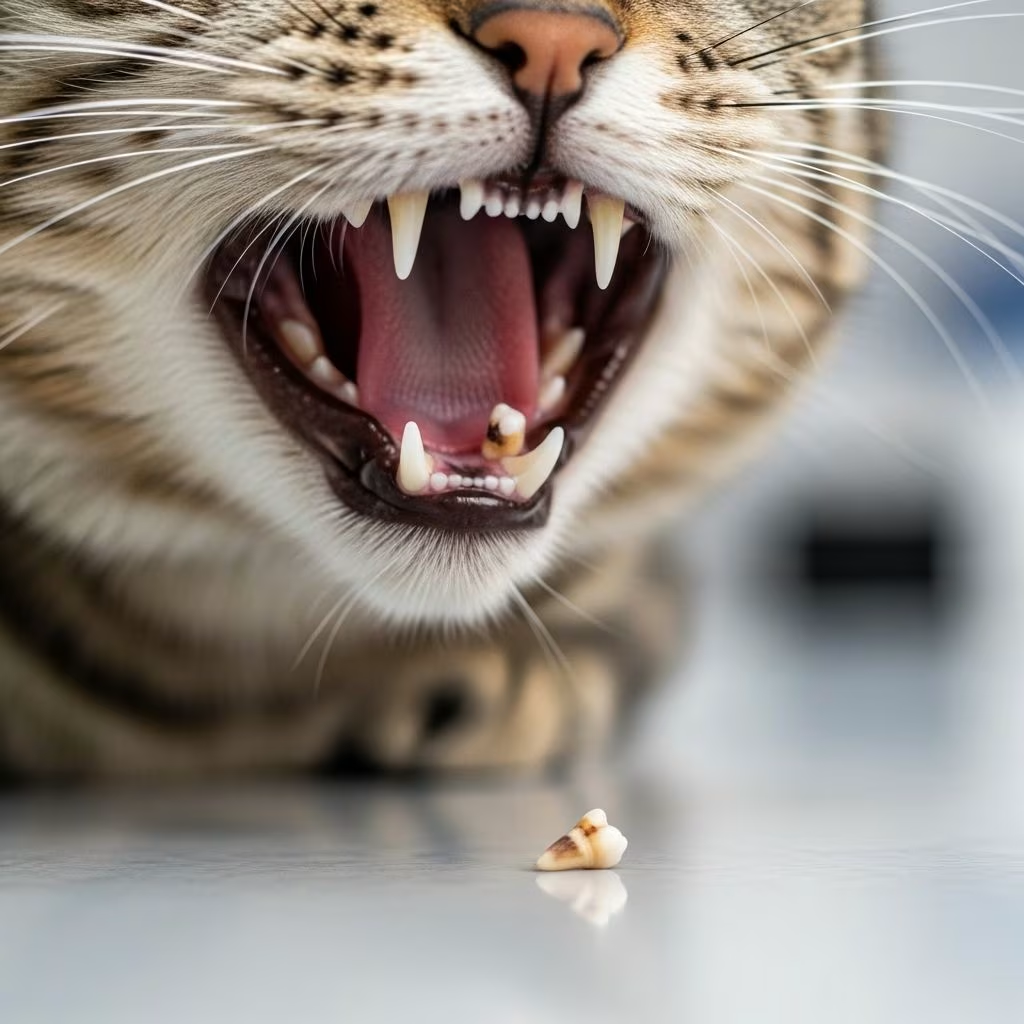
Observing loose or missing teeth in your cat can be alarming, often signaling underlying dental problems that cause discomfort and health risks if ignored. Common culprits include progressive resorption of tooth structures, bacterial gum infections, physical injuries, and alignment issues, affecting cats of all ages but especially seniors.
Understanding Feline Tooth Resorption Lesions
Feline odontoclastic tooth resorption lesions (FORLs), also known as feline tooth resorption, represent one of the most prevalent dental afflictions in cats, where the body systematically dismantles healthy tooth components. This condition arises when odontoclast cells, normally responsible for shedding kitten milk teeth, mistakenly target permanent adult teeth, leading to gradual breakdown starting at the gumline.
The process typically begins with a subtle red spot or inflamed area near the tooth base, progressing to erode enamel, dentin, and eventually roots, causing crowns to fracture or detach entirely. Mandibular premolars in the lower jaw are disproportionately impacted, though any tooth may succumb. Unlike bacterial cavities, FORLs stem from internal cellular activity rather than external decay, making them uniquely challenging.
Prevalence increases with age; studies indicate older cats face higher risks, and affected individuals often develop lesions on multiple teeth over time. While etiology remains elusive, potential contributors include genetic predispositions, chronic inflammation, and immune irregularities.
Periodontal Disease: The Silent Tooth Destroyer
Periodontal disease tops the list of tooth loss causes in adult cats, impacting over 85% of those past six years old. It originates from plaque—a biofilm of bacteria, saliva, and food debris—hardening into tartar along the gumline, fostering inflammation and tissue degradation.
Gingivitis, the initial inflammatory stage, features red, swollen gums prone to bleeding, escalating to periodontitis where supporting bone and ligaments erode, loosening teeth for eventual expulsion. Untreated advancement exposes roots, heightens infection risks, and precipitates abscesses or systemic health threats via bacterial spread.
- Plaque accumulation: Daily buildup if not mechanically removed.
- Tartar formation: Mineralized plaque irritating gums.
- Bone loss: Deep pockets harbor more bacteria, accelerating resorption.
Trauma and Mechanical Damage
Physical injuries rank as a direct avenue for tooth loss, stemming from falls, altercations with peers, or gnawing on inappropriate hard items like bones or toys. Fractures may splinter enamel, exposing pulp to contaminants, while avulsions fully dislodge teeth.
Immediate veterinary assessment is critical post-trauma to evaluate root vitality, mitigate infections, and decide on preservation versus extraction. Delays exacerbate pain and complicate healing.
Other Contributors to Tooth Instability
Malocclusion and Wear Patterns
Malocclusion, or dental misalignment, arises from congenital factors, injuries, or jaw discrepancies, prompting uneven wear that thins enamel and destabilizes teeth. Severe instances compound periodontal risks, hastening loss.
Inflammatory Conditions: Stomatitis and Gingivitis
Stomatitis involves widespread oral inflammation, yielding foul breath, profuse drooling, appetite refusal, and emaciation due to excruciating pain. Linked to immune overreactions against oral bacteria, it frequently necessitates tooth extractions for relief.
Gingivitis, though milder, inflicts acute discomfort from bacterial overgrowth, swollen tissues, and tooth mobility if protracted.
Recognizing Warning Signs Early
Cats expertly mask pain, complicating detection, yet vigilant owners spot subtle cues:
- Excessive drooling or pawing at mouth.
- Halitosis or bleeding gums.
- Chewing reluctance, food dropping, or jaw tremors.
- Weight reduction from eating avoidance.
- Visible pink defects, loose crowns, or gum recession.
These symptoms warrant prompt dental exams, ideally under anesthesia with radiographs for hidden lesions.
Diagnostic Approaches for Accurate Assessment
Veterinarians employ visual inspections, probing, and full-mouth X-rays to stage FORLs (1-5, from superficial to root invasion) and quantify periodontal pocket depths. Distinguishing resorption from fractures or caries guides therapy.
| Condition | Key Diagnostic Feature | Common Location |
|---|---|---|
| FORL | Pink gumline defect, root erosion on X-ray | Lower premolars |
| Periodontitis | Deep pockets, bone loss | All teeth |
| Trauma | Fracture lines, pulp exposure | Variable |
Treatment Strategies to Restore Comfort
Extractions constitute the gold standard for irreparable teeth, particularly in FORLs and advanced periodontitis, as partial removals risk persistent pain from residual roots. Post-procedure, cats adapt seamlessly, often exhibiting improved appetite and vitality.
Professional cleanings scale tartar, polish surfaces, and apply sealants, while antibiotics or pain relief manage acute infections. Stomatitis may require full-mouth extractions or immunosuppressants.
Preventive Measures for Optimal Oral Health
Though FORLs defy prevention, routine protocols curb other threats:
- Annual veterinary dental evaluations with imaging.
- Prescription diets or treats abrading plaque.
- Brushing with enzymatic pet toothpaste 2-3 times weekly.
- Water additives or rinses inhibiting bacteria.
- Avoid hard chewables minimizing trauma.
Early intervention preserves dentition, averting malnutrition and chronic suffering.
Home Care Routines for Daily Maintenance
Integrate brushing using finger brushes or gauze with poultry-flavored gels, introducing gradually via positive reinforcement. Dental chews and toys simulate grooming, while monitoring breath and gums flags issues timely.
When to Seek Urgent Veterinary Care
Rush to the vet for acute swelling, profuse bleeding, non-eating beyond 24 hours, or facial distortions indicating abscesses. Delaying amplifies complications.
Frequently Asked Questions (FAQs)
Can cats live comfortably without teeth?
Yes, toothless cats thrive on soft foods, maintaining nutrition sans chewing discomfort.
Is tooth resorption preventable?
No definitive prevention exists, but vigilant monitoring aids early extraction.
How often should cats get dental checkups?
Annually for youth, biannually for seniors or at-risk breeds.
What diet supports cat dental health?
Kibble formulated to scrape teeth, avoiding soft-only regimens.
Does bad breath always mean tooth loss?
Not always, but persistent halitosis signals examination needs.
References
- The Disappearing Tooth: Feline Tooth Resorption — Mobile Cat and Dog Vet. 2023. https://mobilecatanddogvet.com/the-disappearing-tooth-feline-tooth-resorption/
- Common Causes of Tooth Loss in Cats — Vet Dentist TN. 2024. https://vetdentisttn.com/common-causes-of-tooth-loss-in-cats/
- Common Causes of Tooth Loss in Cats — Animal Dental Services. 2023. https://animaldentalservices.net/common-causes-of-tooth-loss-in-cats/
- Feline Tooth Resorption: Stages and Treatment — PetMD. 2024-02-17. https://www.petmd.com/cat/conditions/mouth/c_ct_Feline_Tooth_Resorption
- My Cat Is Losing Teeth — Veterinary Dental. 2023. https://veterinarydental.com/blog/cat-losing-teeth/
- Cat Teeth Problems – Symptoms, Treatment & Preventive Measures — PetVaxAH. 2023-08-15. https://www.petvaxah.com/site/blog/2023/08/15/cat-teeth-problems
- Feline Dental Disease — Cornell University College of Veterinary Medicine. 2024. https://www.vet.cornell.edu/departments-centers-and-institutes/cornell-feline-health-center/health-information/feline-health-topics/feline-dental-disease



