Cat Teeth Check Guide: 5 Simple Steps For Feline Dental Health
Master at-home and vet dental exams to spot issues early and ensure your cat's oral health thrives for years.
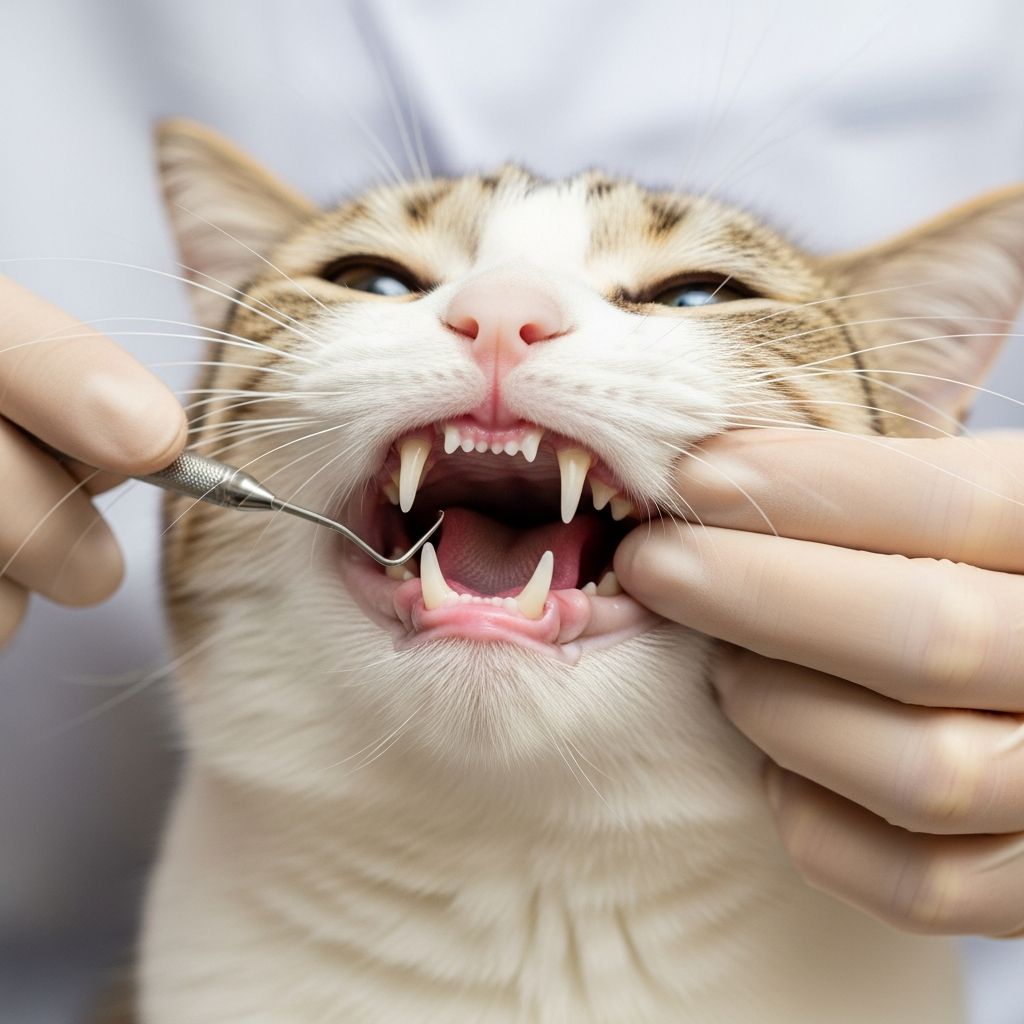
Cat Teeth Check Guide
Regular dental examinations are vital for cats, as they possess 30 adult teeth prone to issues like gingivitis, periodontitis, and tooth resorption that can silently affect overall health. Home checks empower owners to monitor oral conditions between vet visits, while professional assessments under anesthesia reveal hidden problems beneath the gumline.
Understanding Feline Dental Anatomy
Cats have a unique dental structure adapted for carnivorous diets, featuring sharp incisors for grooming, canines for tearing, and specialized carnassial premolars for shearing meat. Kittens start with 26 deciduous teeth, replaced by 30 permanent ones by six months. The roots, comprising over half the tooth structure, lie below the gums and require X-rays for full evaluation, as they often harbor undetected disease.
Healthy cat gums appear coral pink, moist, and firm, tightly adhering to teeth without bleeding. The hard palate includes rugal folds for taste, while salivary gland openings and the oropharynx should show no inflammation. Recognizing normal anatomy helps owners distinguish healthy states from emerging pathologies during routine inspections.
Signs Your Cat Needs a Dental Check
Cats mask pain instinctively, making early detection challenging. Watch for these indicators of oral distress:
- Halitosis: Foul breath signals plaque buildup or infection.
- Excessive drooling or pawing: Suggests discomfort from loose teeth or inflammation.
- Eating difficulties: Reluctance to chew hard food or weight loss points to pain.
- Visible tartar: Yellow-brown deposits on teeth indicate advancing disease.
- Gum changes: Redness, swelling, or bleeding gums denote gingivitis.
Periodontitis, a progression of gingivitis, erodes bone and tissue, potentially impacting the heart, liver, and kidneys if untreated. Tooth resorption, common in felines, causes progressive tooth destruction, often requiring extraction.
Step-by-Step At-Home Dental Inspection
Perform weekly home exams in a calm setting to build your cat’s tolerance. Annual vet checks are recommended, but daily monitoring prevents escalation.
- Prepare the environment: Choose a quiet room with good lighting. Reward with treats or play to associate handling positively.
- Gently restrain: Wrap in a towel if needed, supporting the head firmly but kindly. Use feline-friendly techniques to minimize stress.
- Lift lips systematically: Start frontally, then upper and lower jaws. Inspect incisors, canines, premolars, and molars on both sides.
- Observe key areas: Note gum color, tooth alignment, plaque levels, fractures, or mobility. Check cheeks, tongue, palate, and throat for ulcers or masses.
- End positively: Praise and offer a dental chew. Limit sessions to 2-3 minutes if resistance occurs.
Avoid forcing the mouth open initially; progress gradually. Use a flashlight for visibility and a soft cloth to wipe visible debris gently.
Common Dental Conditions in Cats
| Condition | Symptoms | Causes | Treatment |
|---|---|---|---|
| Gingivitis | Red, swollen gums; bad breath | Plaque accumulation | Cleaning, antibiotics |
| Periodontitis | Bleeding gums, loose teeth, bone loss | Untreated gingivitis | Scaling, polishing, extractions |
| Tooth Resorption | Pain, fractures, pink holes in teeth | Unknown; common in adults | Extraction under anesthesia |
| Forcepps (Stomatitis) | Severe inflammation, drooling | Immune response | Extractions, meds |
These issues affect over 70% of cats by age three, underscoring proactive care’s importance.
Professional Veterinary Dental Procedures
Vets conduct multi-stage exams: history review, awake extraoral/intraoral checks, and detailed anesthetized assessments. Key steps include:
- Full-mouth probing for pocket depths and mobility.
- Dental radiographs to assess roots and bone.
- Scaling to remove calculus, polishing to smooth surfaces.
- Treatment planning, potentially including extractions.
Anesthesia enables thorough charting, unlike home exams. Feline-specific protocols use anxiolytics for comfort. Post-procedure, X-rays confirm completeness, preventing recurrence.
Preventive Strategies for Optimal Oral Health
Combine homecare with professional oversight:
- Brushing: Use enzymatic toothpaste 3-4 times weekly on a finger brush.
- Dental diets/diets: Kibble and treats reduce plaque via chewing action.
- Water additives: Antimicrobial solutions control bacteria.
- Regular vetting: Annual cleanings for at-risk cats.
Scoring systems track progression via photos or charts, enhancing owner compliance. Indoor cats on soft diets face higher risks, so tailor routines accordingly.
Age-Specific Dental Considerations
Kittens: Monitor deciduous tooth eruption and shedding. Check for retained baby teeth causing crowding.
Adults (1-7 years): Focus on plaque control to prevent gingivitis onset.
Seniors (8+): Prioritize resorption and periodontitis screenings; multiple extractions may occur without impacting quality of life.
FAQs
How often should I check my cat’s teeth?
Weekly at-home checks, with annual vet exams. More frequently if symptoms appear.
Can cats live without teeth?
Yes, many toothless cats eat well using gums, maintaining nutrition.
Is dental cleaning safe under anesthesia?
Modern protocols minimize risks, providing essential hidden disease detection.
What if my cat resists mouth handling?
Desensitize gradually with rewards; consult vets for anxiolytic aids.
Does diet affect cat dental health?
Dry foods help abrade plaque; avoid soft-only diets.
Advanced Monitoring Techniques
Owners can use dental charts to log findings, noting plaque indices or gum scores. Apps or journals track changes over time. For breeds like Persians with malocclusions, extra vigilance is needed. Integrating oral exams into wellness visits catches issues early, averting systemic complications.
References
- Dental Examinations – Cat Friendly Homes — Cat Friendly. Accessed 2026. https://catfriendly.com/veterinary-care/dental-examinations/
- Oral Examination in the Cat: A systematic approach – PMC – NIH — National Center for Biotechnology Information. 2024-04-01. https://pmc.ncbi.nlm.nih.gov/articles/PMC11044606/
- Cat’s Teeth Examination for Cat Owners: What You Need to Know — Express Vets Oakwood. Accessed 2026. https://www.expressvetsoakwood.com/blog/cats-teeth-examination-for-cat-owners-what-you-need-to-know
- Feline Dental Disease | Cornell University College of Veterinary Medicine — Cornell University. Accessed 2026. https://www.vet.cornell.edu/departments-centers-and-institutes/cornell-feline-health-center/health-information/feline-health-topics/feline-dental-disease
- An Owners Guide to Cat Dental Care — Villa Rica Animal Hospital. 2022-06-30. https://www.vranimals.com/site/blog/2022/06/30/cat-dental-care
- Dental Care – AAHA — American Animal Hospital Association. 2021. https://www.aaha.org/resources/2021-aaha-aafp-feline-life-stage-guidelines/feline-dental-care/
- Pet dental care | American Veterinary Medical Association — AVMA. Accessed 2026. https://www.avma.org/resources-tools/pet-owners/petcare/pet-dental-care
Similar Articles







Read full bio of medha deb