

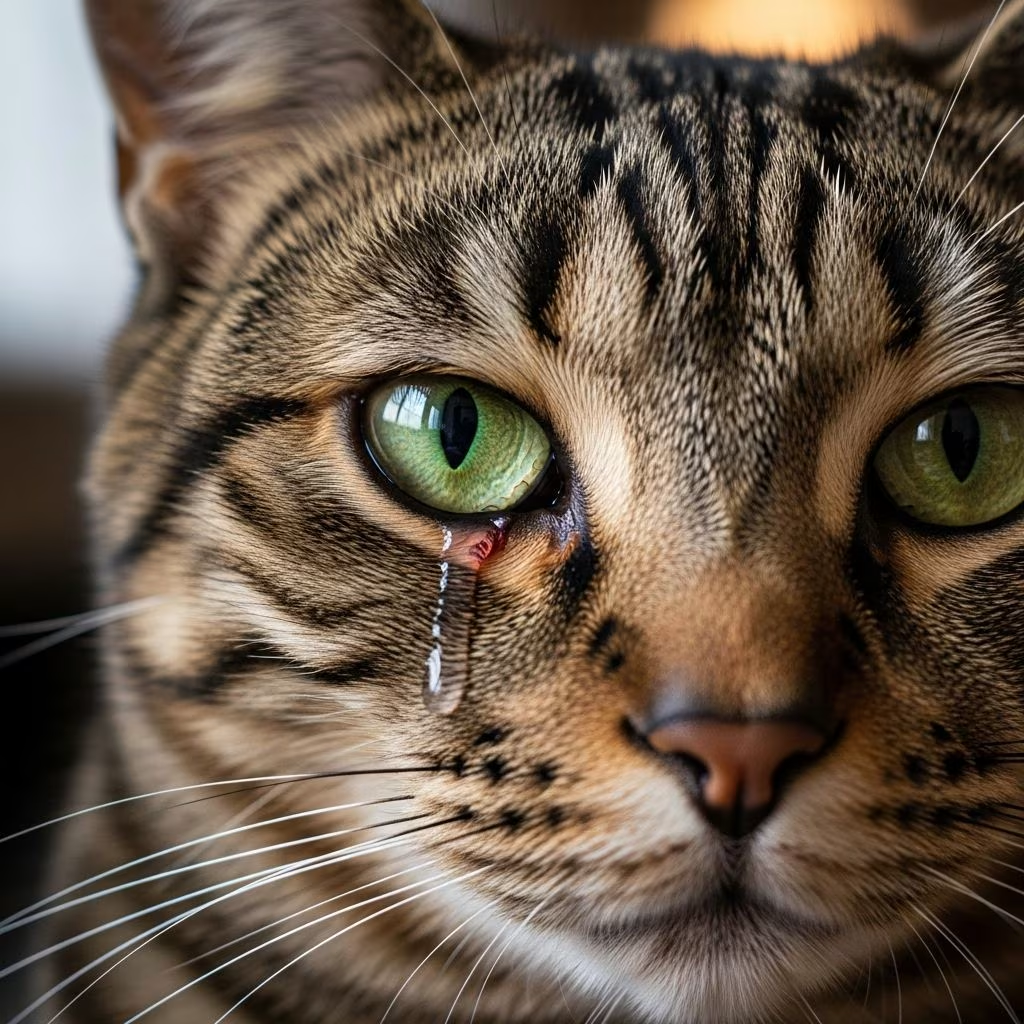
Blocked tear ducts in cats lead to excessive tearing known as epiphora, causing discomfort and potential infections if untreated. Early intervention through cleaning, medications, or procedures restores normal drainage and prevents complications.
Recognizing the Signs of Trouble
Cats with obstructed tear ducts often show clear indicators around their eyes. The primary symptom is persistent watering from one or both eyes, where tears overflow onto the face instead of draining properly. This moisture creates reddish-brown stains beneath the eyes, especially noticeable in light-colored cats. In advanced cases, the damp fur fosters bacterial growth, leading to foul odors, skin irritation, redness, and even hair loss around the eye area.
Owners might notice their cat pawing at the face frequently or rubbing against surfaces to relieve irritation. Discharge can range from clear liquid to thick, colored mucus if infection sets in. Unlike minor irritants like dust, these signs persist for days or weeks, signaling a deeper drainage problem.
What Causes Tear Drainage to Fail
Several factors can obstruct the nasolacrimal system, the network of tiny ducts that carry tears from the eye to the nose. Congenital issues top the list, particularly in brachycephalic breeds like Persians and Himalayans, where shallow eye sockets and short noses impede natural flow. Imperforate puncta, or unopened duct entrances, represent a birth defect preventing tears from entering the system at all.
Acquired blockages stem from infections, inflammation, or trauma. Bacterial buildup, often from chronic moisture, clogs ducts with debris and pus. Scarring from prior injuries or surgeries narrows passages over time. Foreign bodies like grass seeds or tumors can physically compress the ducts, while dental disease in some cases extends roots into the tear pathway.
| Cause Type | Examples | Common Breeds Affected |
|---|---|---|
| Congenital | Imperforate puncta, shallow sockets | Persians, Exotics |
| Inflammatory/Infectious | Bacteria, allergies | All breeds |
| Structural/Trauma | Scars, foreign objects | Active/outdoor cats |
When to Consult a Veterinarian
Not every watery eye requires a vet visit, but persistent epiphora lasting over 24-48 hours demands professional evaluation. Seek immediate care if accompanied by squinting, cloudiness in the eye, swelling, or behavioral changes like lethargy. These suggest secondary issues like corneal ulcers or systemic illness.
Brachycephalic cats with chronic staining benefit from routine checks, as their anatomy predisposes them to recurrent problems. Early diagnosis improves outcomes and avoids costly surgeries later.
Diagnostic Approaches for Accurate Identification
Vets start with a thorough eye exam using tools like fluorescein dye, which highlights duct patency. If dye fails to reach the nose, blockage is confirmed. Saline flushing tests flow resistance, while cytology and cultures identify infecting bacteria.
Advanced imaging, such as X-rays or CT scans, reveals tumors, dental involvement, or structural anomalies. Bloodwork rules out underlying conditions like allergies or immune disorders contributing to inflammation.
Home Care Strategies for Mild Cases
For initial management, gentle cleaning prevents buildup. Use a soft cloth soaked in cooled, boiled water or saline to wipe from inner to outer eye corner, 2-3 times daily. Avoid cotton swabs, which can scratch the cornea.
Warm compresses loosen minor debris: soak a cloth in warm water, wring gently, and hold against the inner eye corner for 5-10 minutes, twice daily. This boosts circulation without risking burns—test temperature on your wrist first.
- Select soft, clean materials to prevent irritation.
- Apply light pressure only; never rub.
- Monitor for worsening; stop if cat shows pain.
Medical Interventions to Clear Blockages
Antibiotics target infections causing swelling and obstruction. Topical ointments or drops deliver drugs directly, while oral options like doxycycline handle deeper involvement. Anti-inflammatories reduce swelling, restoring flow in inflammatory cases.
Administer drops by tilting the head back gently, pulling down the lower lid, and squeezing 1-2 drops in. A “purrito” towel wrap calms resistant cats. Complete the full course to prevent resistance, as per veterinary guidelines.
Professional Flushing Procedures
When home efforts fail, veterinary flushing physically clears ducts. Under light sedation, a cannula delivers sterile saline through the puncta, dislodging mucus, pus, or debris. The process takes minutes per eye, with immediate tear reduction often following.
Post-flush, expect mild tearing for 1-2 days. Vets prescribe drops to minimize re-blockage. Repeat flushes every few months suit chronic cases, particularly in flat-faced breeds.
Surgical Solutions for Persistent Problems
Surgery addresses unresolvable blockages. Dacryocystorhinostomy (DCR) bypasses damaged ducts by creating a new nasal pathway. Canaliculoplasty widens narrowed openings, and stents maintain patency during healing.
These procedures, done under general anesthesia, boast good success rates when underlying causes are resolved. Recovery involves cone collars, medications, and follow-ups, with most cats showing drier eyes within weeks.
Preventive Measures for Healthy Eyes
Minimize risks through breed selection—avoid extreme brachycephalics if possible. Keep indoor cats away from irritants like smoke or dust. Regular grooming clears facial folds trapping moisture.
Annual vet exams catch issues early. Dental care prevents root abscesses encroaching on ducts. A balanced diet supports immune function against infections.
Prognosis and Long-Term Outlook
With prompt treatment, most cats achieve full resolution, especially if infections or minor debris cause the issue. Congenital or structural cases may need ongoing management, but recurrence drops significantly post-surgery.
Dacryocystitis remains rare overall, but vigilance ensures comfort. Untreated blockages risk chronic skin issues or vision threats from exposure.
Frequently Asked Questions
Can blocked tear ducts resolve without treatment?
Mild cases from temporary inflammation may self-correct, but persistent ones require intervention to avoid complications.
Are certain cat breeds more prone?
Yes, Persians, Himalayans, and other flat-faced breeds face higher risks due to anatomy.
How often should I clean my cat’s eyes?
2-3 times daily for active epiphora, reducing as symptoms improve.
Is surgery always necessary?
No, many respond to flushing or medications; surgery is for refractory cases.
What if my cat has one watery eye only?
This suggests localized blockage like a foreign body; vet evaluation is essential.
References
- Tear Duct Blockage in Cats: 5 Essential Treatments That Work — The Pet Vet. 2023. https://thepetvet.com/tear-duct-blockage-in-cats/
- Blocked Tear Ducts (Dacryocystitis) in Cats – Causes, Treatment — Vetster. 2024. https://vetster.com/en/conditions/cat/blocked-tear-ducts
- Blocked Tear Duct in Cats (Epiphora): Our Vet Explains — Catster. 2023. https://www.catster.com/ask-the-vet/blocked-tear-duct-in-cats-epiphora/
- Lacrimal Duct Obstruction in Cats — VCA Animal Hospitals. 2024. https://vcahospitals.com/know-your-pet/lacrimal-duct-obstruction-in-cats
- Blocked Tear Ducts – Dacryocystitis — Cinque Ports Vets. 2022. https://www.cinqueportsvets.co.uk/client-care/pet-health-advice/rabbit-advice/459-blocked-tear-ducts
- Watery Eyes (Epiphora) in Cats — PetMD. 2024. https://www.petmd.com/cat/conditions/eyes/watery-eyes-epiphora-cats



