

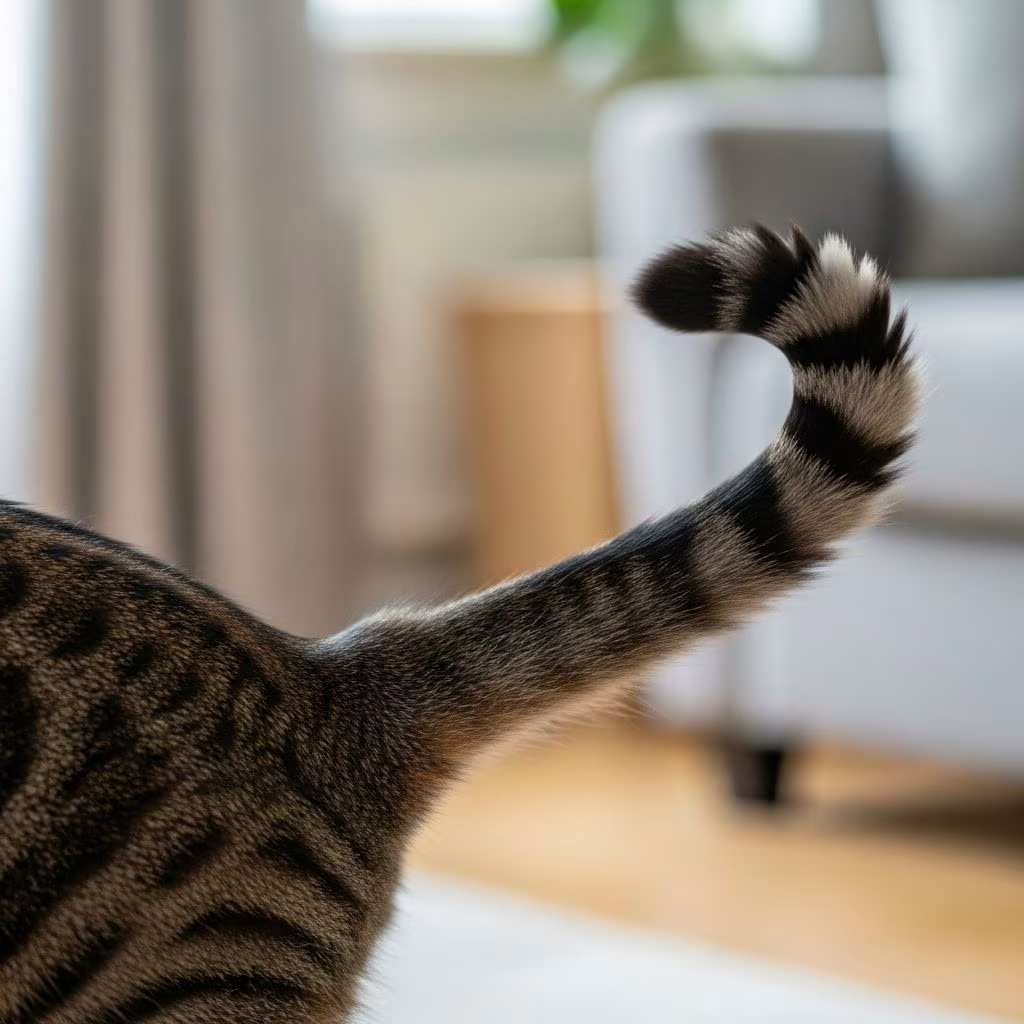
Cat tail twitching is a common behavior that owners often notice, but it carries multiple meanings depending on context, speed, and accompanying signs. This movement can signal everything from playful anticipation to underlying health problems, helping owners better understand their pet’s needs.
Understanding Normal Tail Movements in Cats
Cats use their tails as dynamic communication tools, conveying emotions through subtle flicks, rapid twitches, or slow swishes. Observing the tail alongside ear position, vocalizations, and body posture provides the fullest picture of what your cat is expressing.
- Quick, vertical quivers: Often seen during greetings or scent-marking, indicating excitement or affection.
- Side-to-side flicks: Typically linked to concentration on prey or environmental stimuli.
- Slow swishes: Suggest contemplation or mild irritation building up.
These patterns are instinctual, rooted in a cat’s evolutionary history as solitary hunters where tail signals minimized direct confrontation.
Emotional Signals Through Tail Twitching
Tail twitching frequently reflects your cat’s internal emotional state, serving as a non-verbal cue to humans and other animals alike.
Excitement and Greeting Behaviors
When a cat approaches with a straight tail tipped by a slight twitch or quiver, it’s usually a warm welcome, especially if the base vibrates rapidly. This is common during reunions after absences, mimicking friendly pheromonal exchanges.
Focus and Hunting Instincts
A focused stare paired with rhythmic tail twitching at the tip often means your cat is locked onto a target, like a toy, insect, or window bird. The motion builds tension for a pounce, showcasing their predatory focus. Fast twitches indicate high alertness, while slower ones suggest patient stalking.
| Tail Motion | Context | Likely Emotion |
|---|---|---|
| Rapid side-to-side | Watching prey | Alert excitement |
| Slow, deliberate flick | Stalking mode | Concentrated focus |
| Quivering upright | Greeting owner | Joyful anticipation |
Signs of Stress, Fear, or Irritation
Not all twitching is positive; rapid, low swishing or twitching can warn of rising frustration. If ears flatten, pupils dilate, or growling accompanies it, your cat may be overstimulated or threatened.
- During petting sessions, twitching escalates to thrashing as a ‘stop’ signal.
- In fearful scenarios, like loud noises, the tail tucks with minimal, tense twitches to avoid detection.
- Aggressive contexts feature broad, whip-like swings signaling ‘back off’.
Recognizing these early prevents bites or scratches, fostering a calmer home environment.
Medical Causes Behind Unusual Tail Twitching
While behavioral causes dominate, persistent or isolated tail twitching warrants checking for health issues. Sudden changes, especially with other symptoms, demand veterinary evaluation.
Skin Conditions and Parasites
Fleas, allergies, or dermatitis often provoke frantic tail shaking as cats itch their hindquarters. Look for hair loss, redness, or scabs around the tail base. Flea allergy dermatitis is prevalent, causing intense discomfort.
Pain from Injuries or Blockages
Tail flicks intensify with pain, such as urinary obstructions where straining causes rhythmic movements. Bladder issues are emergencies, potentially fatal without prompt care. Spinal injuries or abscesses also trigger twitching.
Neurological Disorders
Rhythmic, involuntary twitches may stem from seizures, electrolyte imbalances, or ataxia. Whole-body symptoms like wobbling or fainting accompany these.
Feline Hyperesthesia Syndrome: The Twitchy Cat Mystery
Feline Hyperesthesia Syndrome (FHS), dubbed ‘twitchy cat syndrome,’ causes episodes of intense skin rippling, tail chasing, and frantic grooming along the back and tail. Triggers include stress or genetics, with cats reacting painfully to touch.
Symptoms include:
- Rippling skin waves from shoulders to tail.
- Sudden biting or scratching at flanks.
- Dilated pupils and vocal yowls during attacks.
- Excessive running or hiding post-episode.
Diagnosis involves ruling out parasites, allergies, or seizures via exams and tests. Treatment may include anti-anxiety meds, environmental enrichment, or pain relief.
When to Consult a Veterinarian
Monitor for red flags like twitching with lethargy, appetite loss, limping, or urinary straining. Emergency signs include seizures, collapse, or blood in urine. Routine checks catch issues early, especially in seniors or breeds prone to skin woes.
- Immediate vet visit: Inability to urinate, seizures, or trauma.
- Soon (24-48 hours): Persistent twitching with grooming frenzy or balance loss.
- Observe: Isolated episodes tied to clear triggers like play.
Observing Full Body Language for Accurate Interpretation
Tail alone isn’t enough; integrate with ears (forward for interest, back for fear), whiskers (forward for curiosity), and posture (crouched for hunt, arched for threat).
For example:
- Twitching tail + relaxed body = contentment.
- Twitching tail + stiff posture + hissing = anger.
- Twitching tail + hiding = anxiety.
Promoting Healthy Tail Behaviors at Home
Enrich environments with toys, scratching posts, and perches to channel instincts. Regular flea preventives and grooming reduce irritants. Stress reduction via pheromone diffusers or play schedules helps.
Frequently Asked Questions About Cat Tail Twitching
Why does my cat twitch its tail when I pet it?
This often signals building irritation or overstimulation. Pause petting and observe other cues like ear position.
Is tail quivering always a good sign?
No, upright quivers during greetings are positive, but low, rapid ones indicate agitation or pain.
Can stress cause tail twitching?
Yes, anxiety from changes like new pets triggers twitching alongside hiding or excess grooming.
What if my cat’s tail twitches while sleeping?
REM sleep dreaming commonly causes harmless twitches in tail, ears, or paws.
Does tail twitching mean my cat is in pain?
It can, especially with straining motions or alongside limping/appetite changes. Vet evaluation is key.
How do I differentiate normal from FHS twitching?
FHS involves skin rippling, self-attack, and episodes; normal is contextual and brief.
By decoding tail twitching, owners strengthen bonds and ensure timely health interventions for happier cats.
References
- Cat Tail Shaking: Is it an Emergency? — Veteris. Accessed 2026. https://veteris.co.uk/petcare-advice/cat-tail-shaking
- Cat Tail Twitching: What Does it Mean? — Whitney Vet. Accessed 2026. https://whitneyvet.com/cat-tail-twitching/
- Cat Twitching: Causes & Solutions — Sheba UK. Accessed 2026. https://www.uk.sheba.com/blog/health/cat-twitching
- What Is Feline Hyperesthesia Syndrome? — Whisker. Accessed 2026. https://www.whisker.com/blog/feline-hyperesthesia-syndrome
- What is your cat’s tail telling you? — Blue Cross. Accessed 2026. https://www.bluecross.org.uk/advice/cat/behaviour-and-training/what-is-your-cats-tail-telling-you
- Feline Hyperesthesia Syndrome (Twitchy Cat Syndrome) — PetMD. Accessed 2026. https://www.petmd.com/cat/conditions/skin/feline-hyperesthesia-syndrome



