

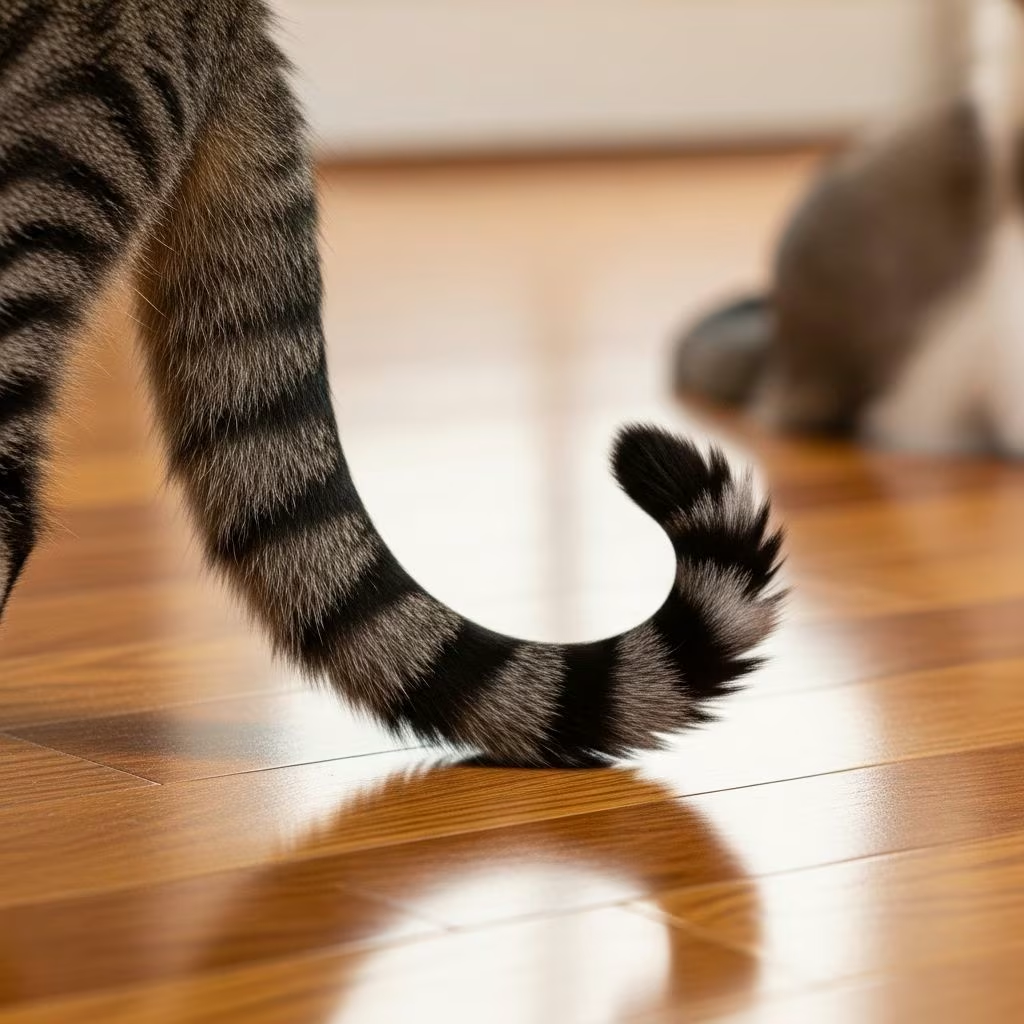
Cat tail thumping, particularly when your feline is lying down, serves as a key indicator of their emotional state. This behavior can signal anything from a casual greeting to building irritation, helping owners decode their pet’s needs effectively.
The Anatomy and Role of a Cat’s Tail
A cat’s tail is more than an appendage; it’s a vital tool for communication and balance. Composed of vertebrae, muscles, and nerves, the tail enables precise movements that convey subtle messages. In balance, it acts as a counterweight during jumps and turns, aiding athletic prowess.
During social interactions, tail positions reveal mood. An upright tail often denotes confidence or greeting, while a tucked one suggests fear. Thumping specifically involves rhythmic striking against the ground or surfaces, distinct from swishing or twitching.
Primary Reasons for Tail Thumping While Lying Down
Observing context is crucial when interpreting tail thumps. Here are the most common explanations based on veterinary insights:
- Gentle Greeting: A slow wag or thump upon your arrival indicates a relaxed hello, especially if eyes are half-closed and the body remains prone.
- Content Relaxation: In deep repose, occasional thumps accompany purring, showing comfort without the need to rise.
- Rising Frustration: Faster, forceful thumps during petting sessions warn of overstimulation, often preceding swats or retreat.
- Playful Anticipation: Stomach-down positioning with tail thumping signals imminent pouncing, mimicking hunting instincts.
- Alertness to Stimuli: Thumps respond to distant sounds or sights, shifting focus without full mobilization.
- Underlying Discomfort: Sudden, involuntary thumps may mask pain, as cats conceal vulnerability.
Differentiating Thumping from Other Tail Motions
Not all tail movements mean the same. Use this table to distinguish:
| Movement | Description | Typical Emotion |
|---|---|---|
| Thumping (ground strike) | Rhythmic hits while prone | Irritation, alert, or greeting |
| Thrashing (side-to-side lash) | Vigorous whipping | Anger or high annoyance |
| Twitching (tip flick) | Quick, small jerks | Focus or mild agitation |
| Puffed (bushy swell) | Sudden volume increase | Fear or aggression |
| Vibrating (rapid quiver) | High-frequency shake | Excitement or affection |
Context like ear position and vocalizations refines interpretation. Flattened ears with thumping amplify warnings.
Thumping in Multi-Pet Environments
In homes with dogs or other cats, tail thumps heighten during introductions. Low, swishing thumps signal caution, while puffed thumps indicate defensive posturing. Monitor to prevent conflicts, intervening with separation if tension escalates.
Gradual desensitization through controlled meetings reduces stress signals. Positive reinforcement, like treats post-interaction, fosters tolerance.
When Tail Thumping Signals Health Concerns
Persistent or abrupt thumping without clear triggers warrants veterinary attention. It may indicate:
- Neurological issues affecting control.
- Arthritis causing discomfort in repose.
- Infections or injuries hidden by instinctual masking.
A vet exam includes palpation, imaging, and behavior history. Early detection improves outcomes for conditions like hyperthyroidism or spinal problems.
Responding Appropriately to Tail Signals
Respecting thumps prevents mishaps. Strategies include:
- Cease petting at first forceful thump; observe for 30 seconds.
- Redirect play energy with toys if pouncing looms.
- Enrich environment with perches to channel alertness.
- Consult professionals for chronic frustration displays.
Building observation habits strengthens trust. Reward calm responses with gentle interaction on your cat’s terms.
Enhancing Communication Through Observation
Each cat develops unique patterns influenced by breed, age, and history. Kittens thump playfully more often, seniors from discomfort. Track via journal: note time, context, and follow-up behavior for personalized insights.
Video recordings aid pattern spotting, especially subtle shifts. Share with vets for comprehensive advice.
Common Myths About Cat Tail Language
Myth 1: All wags mean happiness—like dogs. Reality: Feline wags often denote irritation.
Myth 2: Thumping always precedes attack. Reality: It can be benign greeting or focus.
Myth 3: Ignore subtle thumps. Reality: They prevent escalation.
FAQs on Cat Tail Thumping
Why does my cat thump its tail when I pet it?
This typically signals overstimulation. Pause petting and allow recovery to avoid bites.
Is tail thumping while sleeping normal?
Yes, it reflects dream states akin to twitching whiskers, indicating REM activity.
What if thumping accompanies growling?
High agitation; create distance immediately.
Can stressed cats thump excessively?
Yes, environmental changes trigger it. Pheromone diffusers help.
Does breed affect thumping frequency?
Active breeds like Bengals may thump more during hunts, but all exhibit it.
Practical Tips for Daily Cat Care
Integrate tail reading into routines:
- Pet in short bursts, watching for cues.
- Provide vertical spaces to expend energy.
- Maintain health check-ups for baseline behavior.
- Use interactive toys mimicking prey for safe outlet.
These foster harmony, reducing stress for both cat and owner.
References
- The Tail of the Tale: Why Your Cat’s Tail Wags, Lashes, and Thumps — Rutherford Veterinary Clinic. 2023. https://rutherfordvet.com/cat-tails/
- Why Do Cats Thump Their Tails When Lying Down? 6 Vet-Verified Reasons — Catster. 2024. https://www.catster.com/cat-behavior/cat-thumping-tail/
- How to Read Your Cat’s Tail Language and Meaning — PetMD. 2025-01-15. https://www.petmd.com/cat/behavior/cat-tail-language
- Making Sense of Your Cat’s Tail Movements — Endura Flap Pet Doors. 2024. https://enduraflap.com/blogs/pet-doors/cat-tail-movements
- Why Do Cats Thump Their Tails? — Cat Clinic at Cherry Hill. 2023-06-10. https://catclinicatcherryhill.net/why-do-cats-thump-their-tails/



