

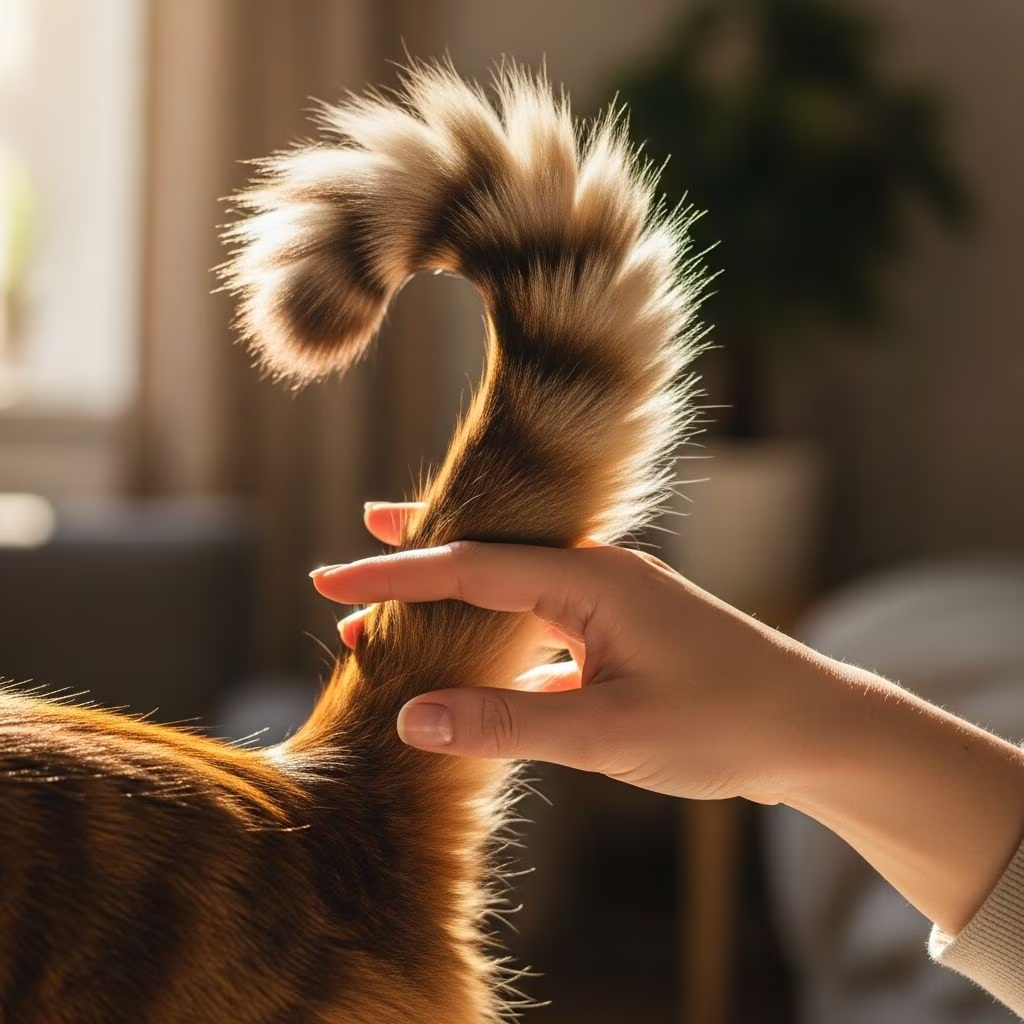
When you stroke your cat and notice its tail rising high, it’s a moment of pure feline delight. This behavior signals trust, happiness, and an invitation for more interaction, rooted in natural cat communication.
The Joyful Signal of a Raised Tail
A cat lifting its tail straight up while being petted often means it’s feeling confident and social. This upright position mimics how cats greet each other or their kittens, showing openness to connection. PetMD explains that such tail language indicates a friendly approach, making it ideal for continued petting or play.
Observe the subtle curl at the tip, forming a question mark shape. This variation suggests playfulness and amicability, inviting you to engage further, perhaps by scratching under the chin where scent glands are located. Unlike dogs, cats use this gesture selectively, reserving it for those they truly trust.
Why Does This Happen During Petting?
Cats raise their tails when petted because it exposes their anal scent glands, a form of olfactory greeting. In the wild, felines use this to identify pack members, and domestic cats extend it to humans as a sign of acceptance. Hill’s Pet Nutrition notes that a high tail during movement expresses contentment and willingness to interact.
This response typically occurs on the back or base of the tail, areas linked to sensitive nerves. When stimulated positively, the cat arches and lifts to enhance the sensation while communicating pleasure. However, over-stimulation can shift this to irritation, so watch for changes.
Decoding Other Tail Positions for Better Interaction
Understanding the full spectrum of tail movements helps you respond correctly. Here’s a breakdown:
- Straight up: Confidence and greeting; perfect for petting.
- Question mark curve: Happy invitation; focus on head pets.
- Low or tucked: Fear or anxiety; give space.
- Puffed up: Threatened; back off immediately.
- Wrapped around body: Defensive or unwell; check for health issues.
RSPCA highlights that a quivering raised tail can indicate excitement or scent marking, reinforcing bonds.
Tail Movements: From Play to Warning
Cats don’t wag tails like dogs; their movements are nuanced. A slow swish shows focus, often before pouncing on a toy. Rapid thrashing signals annoyance—stop petting if you see this.
| Tail Movement | Meaning | Best Response |
|---|---|---|
| Slow swish | Focused interest | Let them engage |
| Twitching tip | Hunting or mild irritation | Assess context |
| Thrashing | Anger or overstimulation | Stop interaction |
| Wrapping around you | Affectionate greeting | Reciprocate gently |
These cues, combined with ears, eyes, and whiskers, paint a complete picture.
When Tail Lifting Turns to Overstimulation
Not every raised tail means endless petting. If the lift accompanies skin twitching or ear pinning, your cat may be overstimulated. PetMD warns that continued petting can lead to swats or bites. Pause and observe dilated pupils or flattened ears as stress signs.
Breeds like Persians naturally carry tails low, so context matters. Always prioritize your cat’s comfort to maintain trust.
Building Trust Through Tail Awareness
To encourage positive tail lifts, pet in preferred areas: cheeks, chin, and ears first. Avoid the belly unless invited, as rolling over shows trust but not always touch permission. Consistent, gentle interactions strengthen this bond.
Environmental factors play a role too. A stress-free home with toys and perches promotes relaxed behaviors.
Frequently Asked Questions
Is a raised tail always good?
Usually yes, indicating happiness, but pair with other signs like purring.
What if my cat never lifts its tail?
It might be shy or unwell; consult a vet and build trust slowly.
Why does my cat lift and then bite?
Overstimulation—stop at thrashing tail or twitching skin.
Do all cats do this?
Most social ones do, but personality varies.
Can I train this behavior?
Not directly, but positive reinforcement encourages it.
Health Checks for Persistent Tail Behaviors
Unusual tail positions like constant tucking may signal pain. RSPCA advises vet visits for ongoing crouching or low tails. Regular check-ups ensure tail language reflects mood, not illness.
References
- How to Read Your Cat’s Tail Language and Meaning — PetMD. 2023. https://www.petmd.com/cat/behavior/cat-tail-language
- What Your Cat is Telling You with Their Tail — Hill’s Pet Nutrition. 2023. https://www.hillspet.com/cat-care/behavior-appearance/cat-tail-language
- Understanding cat tail language — RSPCA Pet Insurance. 2023. https://www.rspcapetinsurance.org.au/pet-care/cat-care/cat-tail-language



