

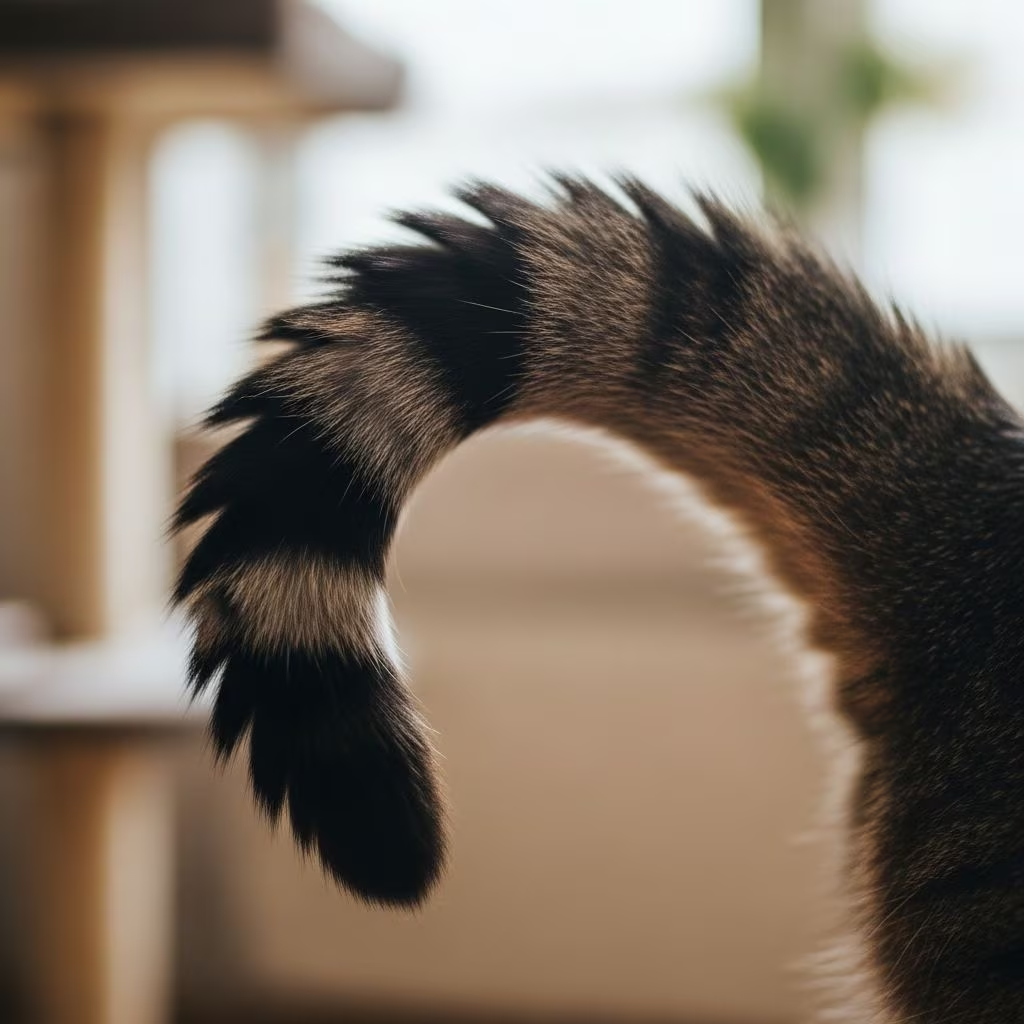
Understanding Cat Tail Language: A Complete Guide to Feline Communication
Your cat’s tail is one of the most expressive parts of their body, and learning to read it can dramatically improve your understanding of your feline companion. While many pet owners focus on facial expressions and vocalizations, the tail is often the most telling indicator of a cat’s emotional state. By becoming fluent in cat tail language, you can better anticipate your cat’s needs, avoid potential conflicts, and deepen your bond with them. This comprehensive guide will help you decode the various tail positions and movements that reveal what’s happening inside your cat’s mind.
The Upright Tail: Confidence and Friendliness
One of the most positive tail signals you’ll see from your cat is the high, vertical tail position. When your cat walks toward you or around their territory with their tail held straight up in the air, they’re communicating confidence, contentment, and a willingness to be friendly. This posture is a universal feline greeting that indicates your cat is feeling social and approachable.
A raised tail is how kittens greet their mothers, and adult cats use this same gesture to communicate friendly intentions. Research has shown that cats are more likely to approach a cat-shaped silhouette when the tail is raised, demonstrating that this signal is recognized across the feline community as a sign of non-threatening friendliness. When your cat approaches you with an upright tail, they’re essentially opening a door to interaction. This is an excellent time to offer your cat some affection through gentle petting or playtime.
Pay close attention to the tip of an erect tail as well. A small twitch or quiver at the end can indicate a particularly happy moment. Some cats may even vibrate their tails rapidly while keeping them upright, which is a sign of excitement and enthusiasm about seeing you.
The Question Mark Tail: Playfulness and Invitation
Another positive tail position to look for is when your cat’s tail forms the shape of a question mark. In this posture, the tail stands upright but curves or hooks slightly at the tip. This tail configuration signals happiness and indicates that your cat is approaching amicably, ready to engage with you or other cats.
When your cat displays the question mark tail, consider it an invitation to interact. However, while this curled-tip tail may look like the perfect spot to pet, most cats actually prefer to be stroked around their facial glands—specifically on their cheeks, under their chin, and next to their ears. Understanding these preferences helps you respond appropriately to your cat’s friendly overtures and strengthens your relationship.
The Lowered Tail: Fear, Anxiety, and Submission
In stark contrast to the upright tail, a lowered tail position communicates very different emotions. When your cat holds their tail below the level of their back, they’re signaling fear or anxiety. This is a serious mood indicator that shouldn’t be ignored. A cat with a lowered tail is typically uncomfortable and would prefer to be left alone.
If your cat’s tail is tucked between their legs, the situation is even more serious. This extreme lowering indicates genuine fear or possible pain. In this state, your cat may be experiencing distress and requires a calm, quiet environment. Approach carefully and gently, and consider consulting a veterinarian if this behavior persists, as it could indicate an underlying health issue.
It’s important to note that certain cat breeds, such as Persians, naturally carry their tails low as part of their breed standard, so context is essential when interpreting tail position. Always consider your individual cat’s baseline behavior when assessing their emotional state.
The Puffed-Up Tail: Fear and Defensive Posture
One of the most dramatic tail displays is the puffed-up or bushy tail, often accompanied by an arched back—the classic Halloween cat pose. When your cat assumes this posture, they’re experiencing fear or startlement due to a perceived threat. The puffed tail serves a defensive purpose: by making the hair stand on end through piloerection, your cat appears larger to potential threats.
This defensive reaction is your cat’s way of saying, “I’m bigger and scarier than I really am, so please leave me alone.” The puffed tail is often triggered by sudden, severe threats such as encountering unfamiliar animals, approaching dogs, unexpected visitors, or loud noises. When your cat is in this state, they’re expressing a clear desire to be left alone and are prepared to defend themselves if necessary.
Thrashing and Thumping: Irritation and Annoyance
When your cat’s tail is moving rapidly back and forth in a thrashing or thumping motion against the ground or furniture, they’re communicating irritation, annoyance, or anger. This tail movement is what behaviorists call a “distance-increasing behavior,” meaning your cat is trying to create space between themselves and whatever is bothering them.
If you’re petting your cat and their tail suddenly begins to thrash, take it as a clear message to stop. Your cat is telling you that they’ve had enough physical contact. Ignoring this signal can escalate the situation, potentially leading to hissing, growling, swatting, or biting. By respecting this tail language, you prevent negative interactions and help your cat feel safe and respected in their own home.
Swishing and Twitching: Focus and Mild Frustration
A slowly swishing tail from side to side typically indicates that your cat is intently focused on something—a toy, another animal, or movement outside the window. You may notice this tail movement right before your cat pounces on their prey (or an unsuspecting toy). This focused tail swishing is part of your cat’s predatory behavior and is actually a sign of healthy enrichment. Allow your cat to continue their stalking and pouncing behaviors, as these activities are natural and beneficial.
Conversely, twitching of just the tail tip can mean different things depending on the context. During hunting or play, tail twitching is an expression of excitement and focus. However, when combined with other signs of irritation (like flattened ears or a stiff body), tail twitching may indicate mild frustration or annoyance. Reading the full picture of your cat’s body language helps you accurately interpret what the tail twitch means in that specific moment.
Wrapped Tails: Affection and Trust
When your cat wraps their tail around you, another cat, or even a piece of furniture, they’re expressing affection and trust. Just as humans greet each other with handshakes or hugs, cats use tail wrapping as an affiliative behavior that demonstrates a willingness to interact and a sense of security. This is one of the most heartwarming tail signals you can receive from your feline friend.
Tail intertwining between cats signifies friendship and social bonding. When your cat wraps their tail around your leg or arm, they’re essentially claiming you as part of their family group. This behavior often occurs when cats are relaxed, content, and feeling emotionally connected to those around them. Reciprocate this affection with gentle strokes and positive attention.
The Flat Tail: Contentment and Relaxation
A tail that’s held flat behind the cat, extending horizontally from the body, typically indicates that your cat is amicable and feeling relaxed without anxiety. This neutral tail position is common in cats that are moving about comfortably, exploring their environment, or simply coexisting peacefully with their surroundings.
The flat tail differs subtly from other tail positions and represents a baseline of comfort. When combined with other signs of relaxation—such as forward-facing ears, relaxed whiskers, and slow blinking—a flat tail confirms that your cat is in a good emotional state.
Reading the Full Picture: Context Matters
While tail language is incredibly informative, it’s crucial to remember that a cat’s tail never tells the complete story on its own. To accurately interpret your cat’s emotional state, you must consider their entire body language and the context of the situation. Look at ear position, eye dilation, body posture, and any vocalizations in conjunction with tail movements.
For example, a raised tail can represent a confident, happy cat, but in certain scenarios with other aggressive body language signals, it could indicate a cat that’s about to attack. By taking context into account and observing your cat’s overall behavior patterns, you develop a more nuanced understanding of what your cat is truly feeling.
Tail Language and Other Body Signals
Ears: Forward-facing ears combined with an upright tail indicate a friendly, confident cat. Flattened or backward ears suggest fear, anxiety, or anger.
Eyes: Slow blinking with an upright tail shows affection and trust. Wide, dilated pupils may indicate excitement or fear, depending on other body language cues.
Whiskers: Relaxed whiskers point forward indicate a calm, content cat. Pinned-back whiskers suggest discomfort or fear.
Body Posture: A relaxed, natural body stance combined with an upright tail shows confidence. A crouched or tense body with a lowered tail indicates fear or preparation for defense.
Common Tail Language Scenarios
When Your Cat Greets You at the Door
If your cat walks toward you with an upright tail that’s softly bent at the tip, they’re greeting you and asking for attention. This is an excellent opportunity to offer gentle strokes and quality time together. Your cat is signaling that they’re happy to see you and want to engage.
During Playtime
During active play, expect to see a mix of tail signals. A swishing or twitching tail indicates focused predatory behavior, while periodic tail thumping might suggest your cat is becoming overstimulated. If your cat’s tail begins thrashing rapidly, it may be time to take a break before play becomes too intense.
When Your Cat Is Uncertain
A tail that’s held at a slight angle upward while the rest of the body seems cautious mimics the question mark shape and indicates uncertainty. Your cat may be unsure how to feel about a situation and is remaining somewhat cautious.
When Meeting New Cats or Pets
An upright tail is a friendly greeting gesture that other cats will recognize as non-threatening. However, if your cat’s tail suddenly puffs up or lowers, they’re indicating discomfort with the newcomer. Give them space and time to adjust.
What Your Cat’s Tail Says During Different Moods
| Tail Position/Movement | Cat’s Emotional State | Recommended Response |
|---|---|---|
| Straight up, slight twitch at tip | Happy, confident, friendly | Offer affection or playtime |
| Question mark shape | Playful, inviting interaction | Engage with your cat |
| Below the level of back | Fearful, anxious, submissive | Provide a safe space; avoid interaction |
| Tucked between legs | Scared or in pain | Calm environment; consult vet if persistent |
| Puffed up and arched | Startled, defensive, threatened | Leave alone; remove the threat |
| Rapid thrashing | Irritated, annoyed, angry | Stop interaction immediately |
| Slow swishing side to side | Focused, hunting, playful | Allow predatory behavior to continue |
| Tail tip twitching | Hunting, playing, or mildly irritated | Observe context for accurate interpretation |
| Wrapped around you or another cat | Affectionate, trusting, bonded | Reciprocate affection |
| Flat, extended behind | Relaxed, content, amicable | Enjoy peaceful coexistence |
Frequently Asked Questions About Cat Tail Language
Q: Why does my cat’s tail quiver when they see me?
A: A quivering or vibrating tail while held upright indicates excitement and happiness. Your cat is expressing enthusiasm about seeing you and is likely asking for attention or interaction.
Q: Is it always bad if my cat’s tail is down?
A: Generally, yes, a lowered tail indicates discomfort, fear, or anxiety. However, some breeds naturally carry their tails lower. Know your individual cat’s baseline behavior, and consult a veterinarian if the behavior changes suddenly.
Q: What does it mean when my cat’s tail puffs up?
A: A puffed-up tail is a defensive response indicating your cat is startled, frightened, or threatened. They’re trying to appear larger to deter threats. Give your cat space and remove the source of stress if possible.
Q: Can I pet my cat’s tail when it’s in the question mark position?
A: While the curly tail looks inviting, most cats prefer to be petted on their head, cheeks, chin, and ears. Some cats dislike tail handling, so it’s better to focus on these preferred areas.
Q: What should I do if my cat’s tail is thrashing while I’m petting them?
A: Thrashing is a clear sign your cat wants you to stop petting them. Respect this communication and cease interaction immediately to prevent swatting or biting.
Q: Is my cat’s slowly swishing tail a sign of aggression?
A: No, a slowly swishing tail typically indicates focus and concentration, often before pouncing on a toy or prey. This is normal predatory behavior and should be encouraged as healthy enrichment.
Q: Why does my cat wrap their tail around my leg?
A: Tail wrapping is an affiliative behavior that demonstrates affection, trust, and bonding. Your cat is showing that they consider you part of their social family and feel secure with you.
Q: How can I tell if my cat’s tail signals mean something different from the general interpretation?
A: Context is crucial. Consider your cat’s overall body language, ear position, eye dilation, vocalizations, and the current situation. Get to know your individual cat’s personality and baseline behaviors for more accurate interpretation.
Improving Your Bond Through Tail Language Understanding
Becoming fluent in cat tail language opens up a new level of communication with your feline companion. By taking time to observe and interpret these signals, you can:
- Anticipate your cat’s needs before conflicts arise
- Provide appropriate interaction when your cat wants engagement
- Respect your cat’s boundaries when they need space
- Recognize medical issues or behavioral changes early
- Strengthen the bond between you and your cat
- Create a more harmonious, stress-free home environment
The tail is truly one of the most expressive parts of a cat’s body, and with practice, you’ll become adept at reading what your cat is trying to communicate. Pay attention to the tales your cat’s tail tells, and you’ll develop a deeper, more meaningful relationship with your beloved pet.
References
- The Tales Your Cat’s Tail Tells — Hill’s Pet Nutrition. 2024. https://www.hillspet.com/cat-care/behavior-appearance/cat-tail-language
- How to Read Your Cat’s Tail Language and Meaning — PetMD. 2024. https://www.petmd.com/cat/behavior/cat-tail-language
- Understanding cat tail language — RSPCA Pet Insurance. 2024. https://www.rspcapetinsurance.org.au/pet-care/cat-care/cat-tail-language
- Learn the Language of Your Cat’s Tail — Bayshore Animal Hospital. 2024. https://www.bayshorelovespets.com/Learn-the-Language-of-Your-Cat-s-Tail-1-7757.html
- The Definitive Guide to Cat Behavior and Body Language — Tuft & Paw. 2024. https://www.tuftandpaw.com/blogs/cat-guides/the-definitive-guide-to-cat-behavior-and-body-language



