

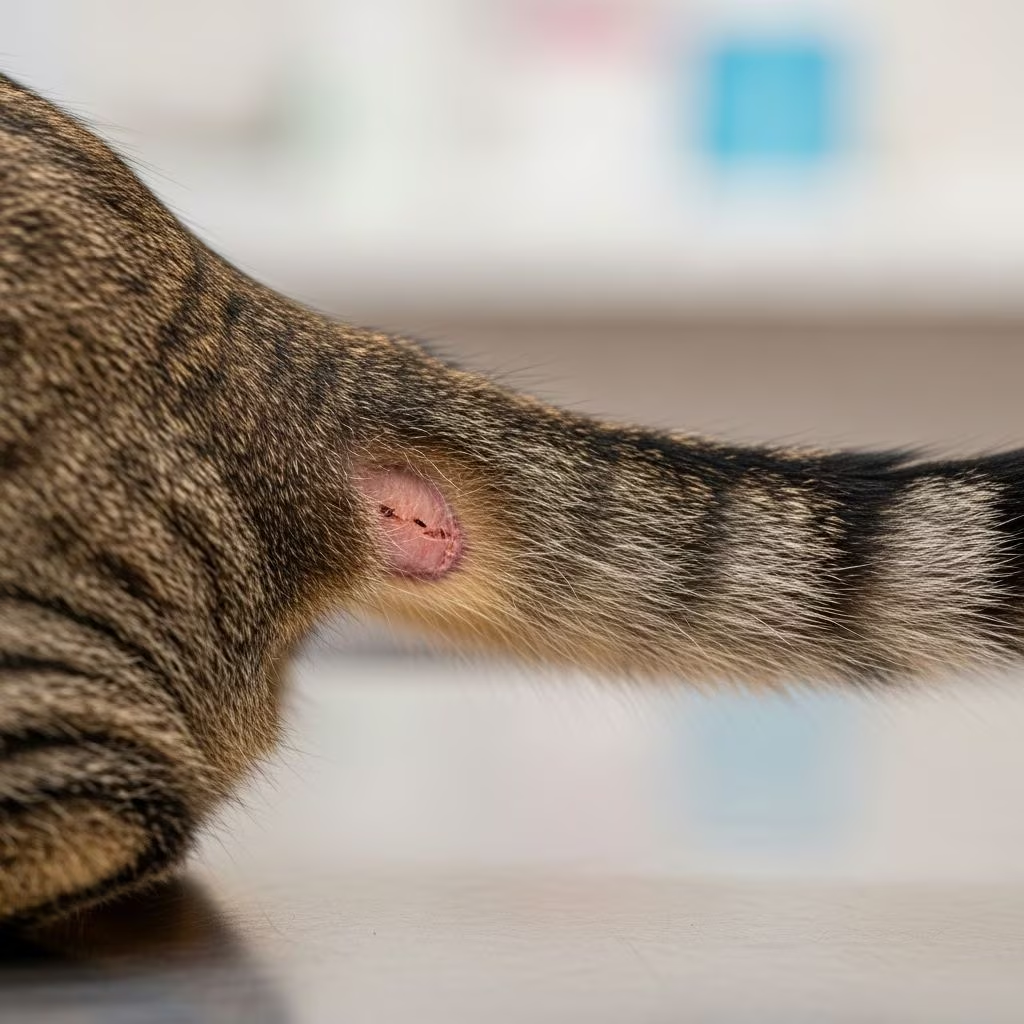
Cat tails serve vital roles in balance, communication, and expression, making injuries to this appendage particularly distressing for pets and owners alike. These injuries often stem from accidents, fights, or entrapment, leading to pain, impaired mobility, and potential complications if untreated. Early recognition and intervention are key to restoring your cat’s comfort and function.
Common Causes of Tail Trauma in Felines
Tail injuries frequently occur due to high-energy feline behaviors and environmental hazards. Doors slamming on tails, known as tail pull or avulsion injuries, stretch nerves and damage vertebrae, especially when cats flee suddenly. Fights with other animals result in bite wounds or lacerations, introducing bacteria and risking infection. Vehicle accidents or fan belt entanglements cause degloving, where skin and tissue strip away from underlying structures. Fractures arise from falls or impacts, with tip fractures being milder than base ones affecting spinal nerves.
- Traumatic pulls: Sudden yanking during escapes.
- Bites and scratches: From territorial disputes.
- Crush injuries: Heavy objects or machinery.
- Falls: From heights leading to breaks.
Recognizing the Signs of Tail Damage
Observe your cat closely for indicators of tail distress. Visible swelling, bruising, or unnatural angles signal fractures or sprains. A limp or dragged tail, reluctance to move, and vocalizing upon touch indicate pain. Nerve involvement manifests as incontinence, hind limb weakness, or inability to urinate/defecate, demanding immediate care. Open wounds may bleed profusely or ooze, while degloving exposes muscle and bone. Feline hyperesthesia syndrome (FHS) mimics injury with twitching or aggression toward the tail.
| Symptom | Severity Level | Action Needed |
|---|---|---|
| Swelling or bruising | Mild | Monitor and vet visit |
| Paralysis or dragging | Severe | Emergency care |
| Open wounds/bleeding | Moderate-Severe | Clean and seek vet |
| Incontinence | Critical | Immediate ER |
Initial First Aid Steps for Safety
While rushing to the vet, provide supportive care without delaying professional help. Gently clean wounds with saline or mild soap, avoiding hydrogen peroxide which damages tissue. Apply light pressure to control bleeding using a clean cloth, but avoid tight bandages that cut circulation. Prevent self-trauma with an Elizabethan collar (e-collar) to stop licking. Confine to a quiet crate to limit movement. Never administer human painkillers, as they are toxic. For suspected fractures, immobilize loosely without splinting at home.
Professional Diagnosis Methods
Veterinarians use physical exams to test sensation, reflexes, and range of motion. Neurological assessments check for spinal involvement. Radiographs (X-rays) reveal fractures, dislocations, or soft tissue damage. Advanced imaging like CT or MRI evaluates nerve compression in severe pulls. Bloodwork rules out infection or systemic issues. Urinalysis monitors kidney function if bladder expression is needed.
Treatment Strategies by Injury Type
Conservative Care for Minor Issues
Mild fractures near the tip or simple sprains often heal with rest in a confined space for 4-6 weeks. Pain relievers like buprenorphine and anti-inflammatories such as meloxicam reduce discomfort. Manual bladder expression teaches owners to assist urination if nerves are stunned temporarily.
Surgical Options for Severe Damage
When conservative methods fail, surgery addresses root problems. Tail amputation removes non-viable sections, allowing cats to adapt seamlessly with minimal lifestyle impact. Spinal stabilization or decompression repairs vertebrae and nerves in pull injuries. Wound debridement clears debris from bites or degloving. Post-op, e-collars and antibiotics prevent complications.
Rehabilitation and Physical Therapy
Post-treatment, therapies accelerate recovery. Massage improves circulation, hydrotherapy supports weightless exercise, and targeted stretches rebuild strength. Passive range-of-motion exercises prevent stiffness. FHS may require gabapentin or fluoxetine. Regular vet check-ups track progress.
Home Recovery and Monitoring Tips
Create a recovery haven: soft bedding, easy litter access, and elevated food bowls reduce tail strain. Administer meds precisely, clean wounds daily, and watch for infection signs like pus or fever. Gradually reintroduce activity, preventing jumps or chases. Track litter habits and mobility daily; report regressions promptly. Nutrition with omega-3s supports healing.
- Daily wound checks for redness or odor.
- Bladder expression if prescribed: gentle downward pressure.
- E-collar 24/7 initially.
- Follow-up X-rays at 2-4 weeks.
Potential Complications and Prognosis
Untreated injuries risk chronic pain, infections, or euthanasia in extreme nerve damage cases. Amputees enjoy full lives, often more agile. Prognosis excels for tip injuries (90% full recovery) but drops for sacral pulls affecting continence. Early intervention boosts outcomes significantly.
Preventing Future Tail Mishaps
Secure doors with sensors, supervise outdoor time, and trim claws to minimize fight damage. Indoor enrichment via toys and towers curbs risky behaviors. Microchip for lost cats post-injury. Regular vet exams catch predispositions early.
Frequently Asked Questions (FAQs)
Can cats live normally without a tail?
Yes, tailless cats balance well and communicate via ears, body, and whiskers effectively.
How long does tail fracture healing take?
4-8 weeks with rest; nerves regenerate slowly at 1mm/day.
Is tail amputation painful for cats?
No, with proper anesthesia and pain control, recovery mirrors spay/neuter.
What if my cat can’t pee after injury?
Emergency: indicates sacral nerve damage; vet catheterization needed.
Should I splint a broken tail at home?
No, improper splints worsen damage; vet handling only.
References
- Tail Pull Injury in Cats: What You Need to Know — Partners Veterinary Clinic. 2023. https://partnersvetavl.com/?p=4031
- Tail Pull Injury in Cats: Common Treatments — Advanced Animal Care. 2024. https://aac.vet/blog/tail-pull-injury-in-cats/
- Broken Cat Tail: Symptoms & Treatment — Fetch Vets. 2023. https://fetchvets.com/blog/broken-cat-tail-treatment/
- Cat Tail Pull Injury: How It Happens & Treatment — Main Street Vet Center. 2024. https://mainstreetvetcenter.com/blog/cat-tail-pull-injury/
- First Aid for Tail Injuries in Cats — VCA Animal Hospitals. 2025. https://vcahospitals.com/know-your-pet/first-aid-for-injured-tails-in-cats
- 7 Common Cat Tail Injuries — PetMD. 2024. https://www.petmd.com/cat/emergency/accidents-injuries/7-common-cat-tail-injuries



