

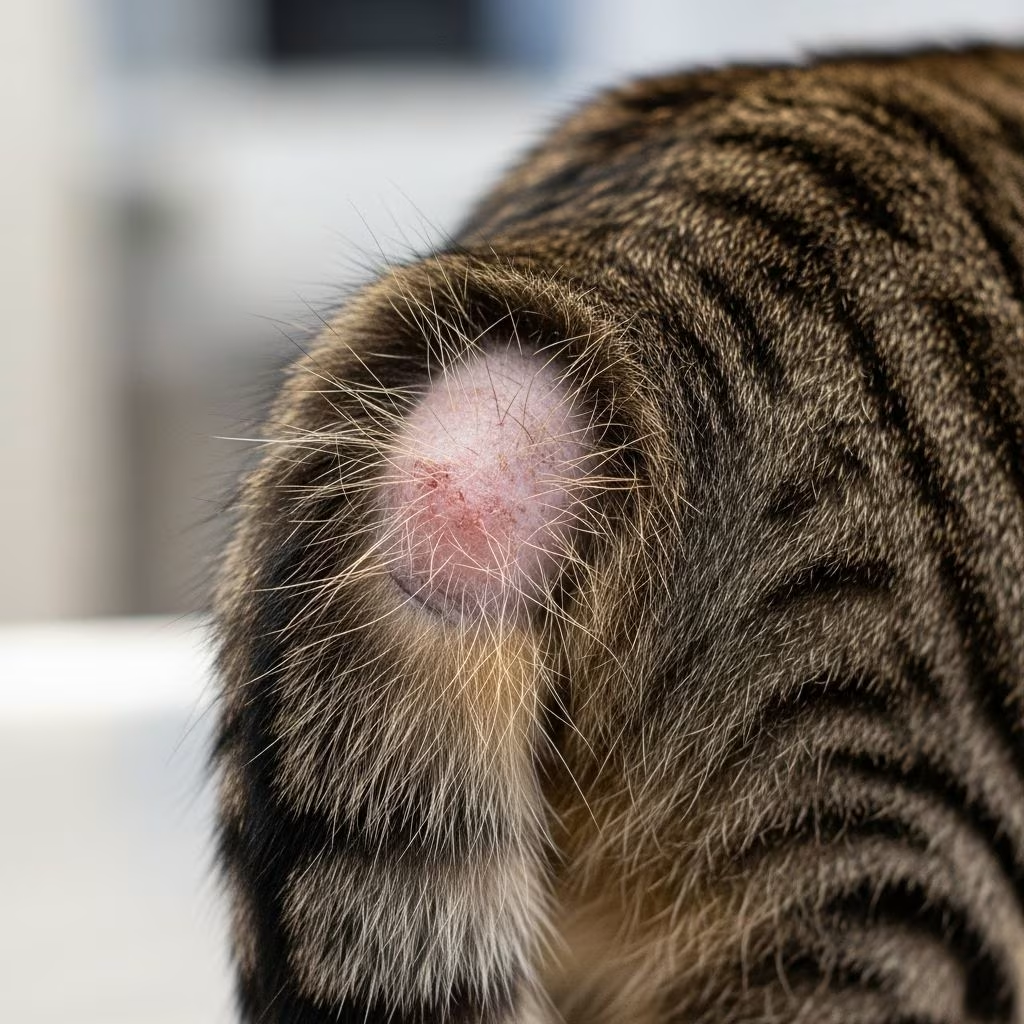
Hair loss on a cat’s tail, often appearing as bald patches or thinning fur, signals underlying issues ranging from minor irritations to serious health concerns. This condition, known as alopecia, prompts excessive grooming or scratching, leading to noticeable fur loss particularly around the tail base and tip.
Common Triggers Behind Tail Baldness in Cats
Several factors contribute to this problem. Parasites top the list, followed by allergies and behavioral issues. Identifying the root cause early prevents progression to skin damage or infections.
- Parasitic Infestations: Fleas, mites, and lice irritate the skin, causing intense itching concentrated on the tail.
- Allergic Reactions: Flea saliva allergies provoke severe responses, resulting in tail-specific hair loss.
- Stress-Related Overgrooming: Environmental changes lead to compulsive licking, thinning tail fur.
Parasites: The Primary Culprits
Fleas are notorious for targeting the tail area due to a cat’s grooming habits. A single flea bite injects saliva that hypersensitive cats react to aggressively, leading to flea allergy dermatitis (FAD). This manifests as bald spots from base to tip, often with red, inflamed skin.
Mites, such as those causing feline mange (Notoedres cati), create crusty lesions and rapid hair loss. Unlike fleas, mites burrow into skin, worsening without intervention.
| Parasite Type | Tail Symptoms | Detection Method |
|---|---|---|
| Fleas | Bald patches, itching, flea dirt | Combing, skin scraping |
| Mites | Crusty skin, intense scratching | Vet microscopy |
| Lice | Dull fur, visible nits | Visual exam |
Regular flea preventatives break the cycle, restoring tail fur within weeks.
Allergies and Skin Irritations
Beyond parasites, food or environmental allergens trigger itching. Cats with pollen or dust mite sensitivities lick their tails excessively, mimicking parasite effects.
Contact dermatitis from litter or cleaning products inflames tail skin, promoting hair loss. Symptoms include redness and scabs.
- Switch hypoallergenic litter to test for contact issues.
- Hypoallergenic diets rule out food triggers over 8-12 weeks.
Behavioral and Psychological Factors
Cats under stress from new pets, moves, or boredom overgroom tails as a self-soothing mechanism, termed psychogenic alopecia. Bald areas appear symmetrical, without inflammation.
Enrich environments with scratching posts, toys, and pheromone diffusers to reduce anxiety-driven loss.
Medical Conditions Causing Tail Hair Thinning
Endocrine disorders like hyperthyroidism accelerate hair cycles, thinning tails alongside weight loss and hyperactivity.
Diabetes or Cushing’s weaken coats, with tail fur shedding due to poor nutrient absorption.
Infections play a role: Ringworm forms circular bald patches, while bacterial overgrowth from scratches leads to greasy, hairless tails.
Nutritional gaps in fatty acids or zinc exacerbate loss, especially in poor-diet cats.
Signs It’s Time for Veterinary Attention
Monitor for accompanying symptoms: broken hairs, scabs, odor, lethargy, or appetite changes indicate beyond-behavioral issues.
- Sudden baldness: Parasites or allergies likely.
- Gradual thinning: Hormonal or nutrition.
- One-sided loss: Injury or localized infection.
Vets use skin scrapes, blood tests, and biopsies for diagnosis.
Diagnostic Approaches for Tail Alopecia
Step-by-step evaluation includes:
- Parasite check via flea comb and tape test.
- Allergy trials with elimination diets.
- Bloodwork for thyroid, kidney function.
- Culture for fungal/bacterial growth.
- Skin biopsy for autoimmune or cancer rare cases.
Treatment Strategies Tailored to Causes
Treatments vary:
| Cause | Treatment | Expected Recovery |
|---|---|---|
| Parasites | Topical/oral meds, environmental clean | 2-4 weeks |
| Allergies | Antihistamines, steroids, hypo diet | 4-8 weeks |
| Stress | Variable | |
| Infections | Antifungals, antibiotics | 3-6 weeks |
| Hormonal | Medication, surgery | Months |
Supportive care like medicated shampoos and omega supplements aid regrowth universally.
Home Care Tips for Promoting Regrowth
While awaiting vet advice:
- Gently brush to remove loose fur, avoiding irritation.
- Apply vet-approved soothing sprays.
- Boost diet with fish oil for coat health.
- Isolate from other pets if contagious like ringworm.
Prevent recurrence with monthly preventatives and stress reduction.
Preventing Future Tail Hair Loss
Proactive measures include year-round flea control, balanced nutrition, and routine vet checkups. Monitor for early signs during grooming sessions.
FAQs on Cat Tail Hair Loss
Will my cat’s tail hair grow back?
Yes, with proper treatment addressing the cause, regrowth typically occurs in 4-8 weeks.
Is tail baldness always fleas?
No, though common; allergies and stress mimic it. Vet confirmation needed.
Can diet alone fix it?
Not if parasites or disease present; nutrition supports but doesn’t cure.
Should I shave the bald area?
No, risks infection; let vet guide.
Is it contagious to humans?
Ringworm yes; others no. Isolate and treat promptly.
Addressing tail hair loss promptly ensures your cat’s comfort and maintains their luxurious coat. Consult a vet for personalized plans.
References
- Alopecia in Cats: What It Is and Why Your Cat Is Losing Hair — PetMD. 2023. https://www.petmd.com/cat/conditions/skin/alopecia-cats-what-it-and-why-your-cat-losing-hair
- Reasons Your Cat’s Hair is Falling Out — Ridgeview Animal Hospital. 2024. https://ridgeviewanimalhospital.com/articles/cats-hair-is-falling-out
- Reasons Your Cat’s Hair is Falling Out — Cottner Creek Pet Clinic. 2024. https://cottnercreekpetclinic.com/articles/cats-hair-is-falling-out
- Cat Losing Hair? Causes and When to Worry — Fulton County Vet Clinic. 2023. https://fultoncountyvetclinic.com/blog/cat-losing-hair/
- 5 Causes of Hair Loss in Cats — Minnieville Animal Hospital. 2024. https://minnievilleah.com/blog/5-causes-of-hair-loss-in-cats/
- Hair Loss (Alopecia) in Cats — Merck Veterinary Manual. 2025-02-01. https://www.merckvetmanual.com/cat-owners/skin-disorders-of-cats/hair-loss-alopecia-in-cats



