

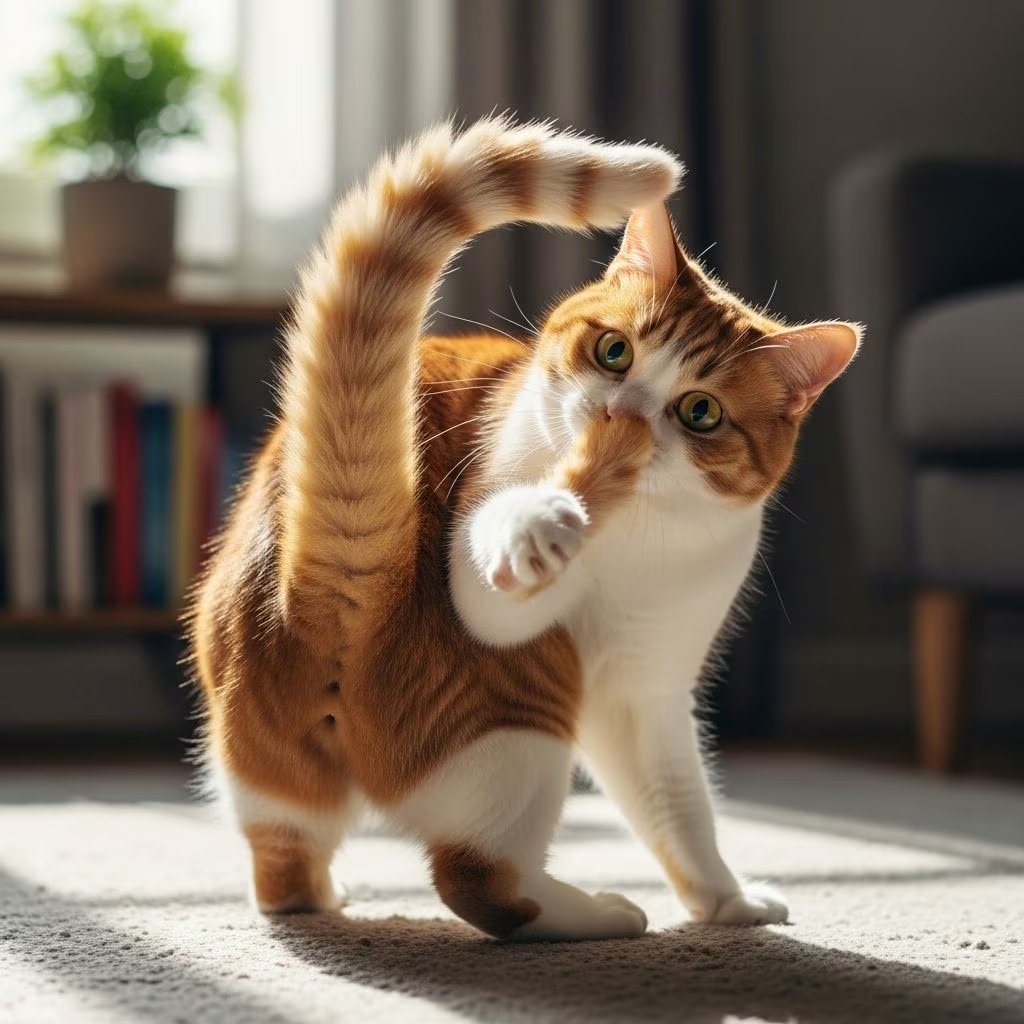
Observing a cat spin in circles after its own tail often brings laughter to owners, but this behavior reveals much about feline instincts, emotions, and health. While typically harmless, excessive or sudden tail chasing warrants attention to rule out underlying problems. This guide delves into the primary causes, drawing from veterinary insights and behavioral studies to help you understand and respond appropriately.
The Natural Drive Behind Tail Pursuit
Cats descend from skilled predators, and tail chasing frequently activates their built-in hunting mechanisms. A swishing tail in peripheral vision mimics elusive prey, prompting an instinctive chase. Kittens especially engage in this as they develop coordination and reflexes, turning their tail into a convenient practice target.
Adult cats may continue this for skill sharpening. The erratic motion challenges them to execute precise pounces, twists, and grabs, reinforcing predatory prowess without real danger. This self-initiated game provides mental and physical outlet, particularly for energetic young felines exploring their capabilities.
Playfulness and Self-Entertainment
Beyond instinct, many cats chase tails purely for amusement. In a playful mood, they treat the appendage as a toy, deriving joy from the pursuit. This mirrors how cats stalk laser dots or strings, satisfying their love for motion without external stimuli.
- Energy expenditure: High-energy cats burn off excess vigor through spins and leaps.
- Solo fun: Ideal for independent play when owners are unavailable.
- Mood indicator: Often paired with other joyful actions like batting toys or zooming around.
Recognizing this as positive prevents unnecessary worry, allowing owners to join in with interactive toys for enhanced bonding.
Boredom as a Key Trigger
Indoor lifestyles leave many cats understimulated, leading to tail chasing as a boredom antidote. Without outdoor hunts or ample play, they improvise with their tail for excitement. Sedentary routines exacerbate this, turning the behavior into a repetitive self-soothing ritual.
To combat this:
- Introduce puzzle feeders to engage their foraging instincts.
- Install cat trees or shelves for vertical exploration.
- Schedule daily 15-minute play sessions with wand toys.
Enriched environments reduce reliance on tail chasing, promoting overall contentment.
Stress and Anxiety Indicators
Environmental changes or isolation can spark anxiety-driven tail pursuit. Cats may spin to distract from unease, akin to excessive grooming or wool sucking. New pets, moves, or routine shifts heighten this, with tail chasing offering temporary relief.
Signs of stress-related chasing include:
- Sudden onset in calm cats.
- Combination with hiding or appetite loss.
- Repetition without playfulness.
Calming aids like pheromone diffusers or consistent routines help mitigate these episodes.
Attention-Grabbing Maneuvers
Cats master subtle communication, and dramatic tail chases effectively summon owners. The spectacle draws eyes, prompting interaction, pets, or treats. Once attention secured, the display often halts, revealing its strategic nature.
This tactic thrives in social bonds where cats learn it yields results. Responding selectively—offering play instead of food—prevents reinforcement of demand behaviors while fulfilling needs.
Territorial Scent Marking
Tails host scent glands, and chasing deposits pheromones, claiming space. Heightened during introductions of new animals or relocations, this affirms ownership. As familiarity grows, frequency diminishes.
Owners note increased spinning in multi-cat homes or post-move, confirming territorial intent over play.
When Parasites Cause the Chase
Fleas top the list of culprits for irritated tails. These pests cluster at the base, prompting frantic biting and chasing. Check for:
| Symptom | Description |
|---|---|
| Black specks | Flea dirt (digested blood) |
| Hair loss | Alopecia from scratching |
| Redness | Skin inflammation |
| Restlessness | Constant grooming |
Monthly preventatives and grooming curb infestations effectively.
Skin Irritations and Allergies
Allergies to food, pollen, or fleas provoke itching, mimicking chasing. Dermatitis leads to focused licking or biting, often misread as play. Veterinary skin scrapes diagnose and treat these.
Anal Gland and Infection Issues
Impacted anal glands cause discomfort, leading to scooting and tail fixation. Infections swell the area, demanding professional expression and antibiotics. Unneutered males risk stud tail, a greasy, infected condition.
Feline Hyperesthesia Syndrome (FHS)
This neurological disorder heightens skin sensitivity near the tail, triggering intense chasing. Affected cats twitch, vocalize, or attack their backs. Breeds like Siamese show predisposition; vets debate OCD versus seizure links.
Symptoms include:
- Rippling skin along spine.
- Sudden aggression when touched.
- Epileptic-like episodes.
Medication and stress reduction manage FHS; prompt vet visits essential.
Neurological and Age-Related Concerns
Senior cats may chase due to cognitive decline or vision loss, confusing their tail for intruders. Rare neurological issues impair perception, necessitating exams.
How to Differentiate Normal from Problematic
Occasional, joyful chasing signals health; monitor for red flags:
- Intensity with biting or yelping.
- Bald patches or wounds.
- Frequency increase post-changes.
- Associated lethargy or vomiting.
Video sessions aid vet assessments.
Enrichment Strategies for Healthier Habits
Proactive steps redirect energy:
- Interactive toys: Feathers, balls mimic prey.
- Environmental tweaks: Windowsills, tunnels stimulate senses.
- Social time: Play boosts endorphins.
- Diet check: Omega-3s support skin health.
These foster balance, minimizing compulsive acts.
Frequently Asked Questions
Is tail chasing always a concern?
No, playful spins are normal; worry if aggressive or paired with illness signs.
Should I stop my kitten from doing it?
Allow moderate play for development, but intervene if excessive.
Can diet influence this behavior?
Nutrient deficiencies or allergies may contribute; consult vets for tailored advice.
What if my cat suddenly starts after years?
Seek veterinary evaluation promptly for parasites or conditions.
Does neutering help?
It reduces hormone-driven issues like stud tail in males.
Final Thoughts on Feline Tail Tales
Understanding tail chasing equips owners to nurture thriving cats. Blend observation with action—fun pursuits deserve encouragement, while anomalies demand care. Enriched lives yield happier, less tail-obsessed companions.
References
- Why Do Cats Chase Their Tails? Unraveling Feline Behavior — MyWaggle. 2023. https://mywaggle.com/blogs/pet-behaviour/why-do-cats-chase-their-tails
- Why Does My Cat Chase Her Own Tail? — Wired Whisker. 2024. https://www.wiredwhisker.com/blog/why-does-my-cat-chase-her-own-tail
- Why Is My Cat Chasing Their Tail? 8 Vet-Approved Reasons — Catster. 2025-01-15. https://www.catster.com/cat-behavior/why-is-cat-chasing-their-tail/
- Why Do Cats Chase Their Tails? — Cats.com. 2024. https://cats.com/why-do-cats-chase-their-tails
- Ask a Vet with Dr. Sam: Why do cats chase their tails? — MRFRS. 2023-06-10. https://mrfrs.org/ask-a-vet-with-dr-sam-why-do-cats-chase-their-tails/
- My cat chases their tail, should I worry? — Catit. 2024. https://www.catit.com/spotlight/my-cat-chases-their-tail-should-i-worry/



