

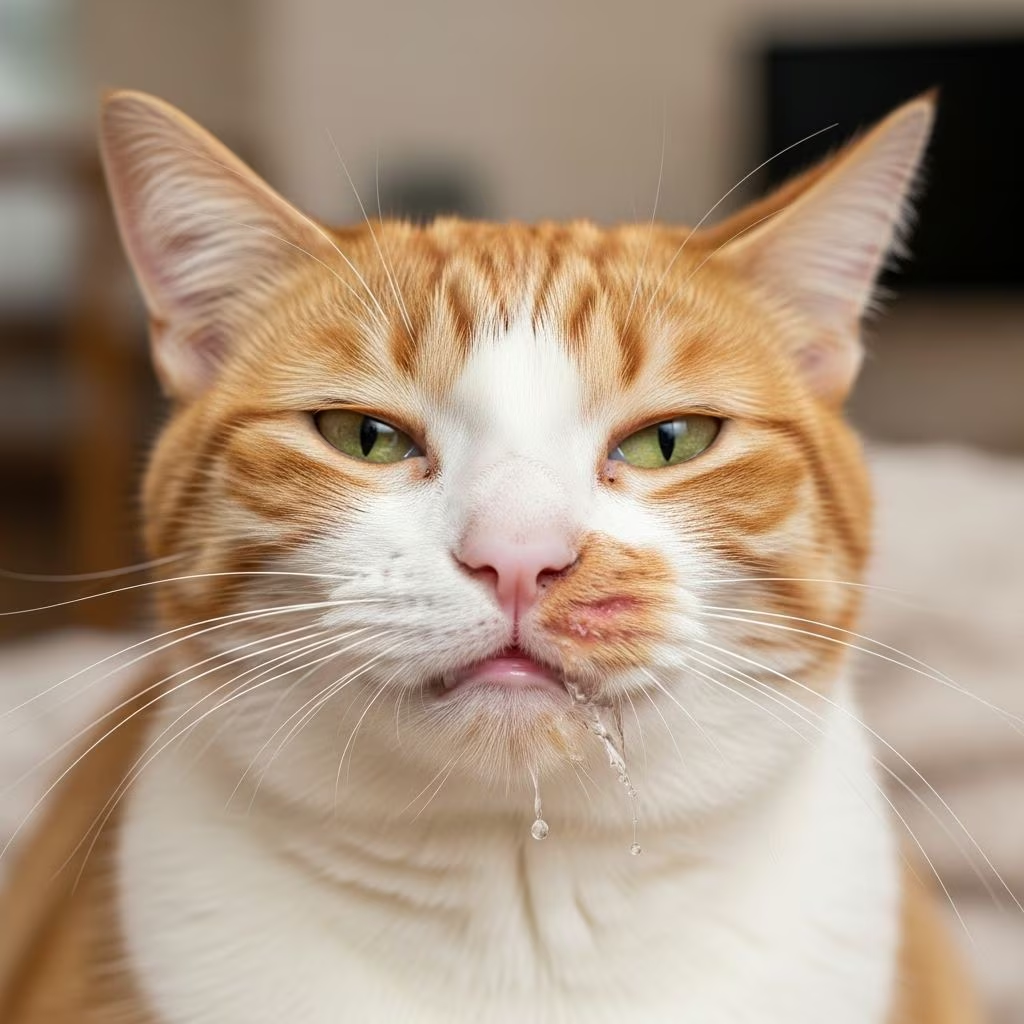
What’s Causing My Cat’s Swollen Lip and Sneezing?
If you’ve noticed your cat has a swollen lip and is sneezing frequently, you’re not alone in your concern. These symptoms can be alarming for pet owners, but understanding the underlying causes can help you provide better care for your feline companion. We consulted with veterinary experts to identify the most common causes of lip swelling in cats, the symptoms associated with them, effective treatment options, and guidance on when to seek professional veterinary care.
Understanding the Connection Between Swollen Lips and Sneezing
When cats experience both a swollen lip and sneezing simultaneously, it often indicates an allergic reaction or environmental sensitivity. These two symptoms frequently occur together because they stem from the same underlying immune response. The swelling of the lip represents a localized allergic reaction, while sneezing reflects the cat’s response to respiratory irritants or allergens in the environment.
Common Causes of Cat Swollen Lips
Allergic Reactions
Allergies rank among the most common culprits behind swollen lips in cats. Your feline friend can develop allergic reactions to various triggers, including environmental allergens such as pollen and dust, food allergies particularly related to common proteins, insect bites or stings, contact allergies from plastic food bowls, and reactions to medications. When an allergic reaction occurs, the body releases histamines that cause inflammation and swelling, often visible on the lips and face.
Eosinophilic Granuloma Complex (EGC)
Eosinophilic granuloma complex, also known as eosinophilic plaques or rodent ulcers, represents a hypersensitivity reaction that commonly manifests as a swollen lip in cats. According to veterinary experts, this condition occasionally presents itself as a cat’s characteristic “fat lip” involving the lower lip. The most likely cause of eosinophilic granuloma in cats is an allergic reaction following a bite from a mosquito, flea, or mite. However, other possible causes include pollen, food allergies, or reactions to medications such as antibiotics or heart condition medications.
When eosinophilic granuloma affects your cat’s lip, you will observe a swollen area that may also appear ulcerated. The lesion typically appears as a raised area at the margin between haired skin and the inside of the mouth, and it can affect either the upper or lower lip.
Feline Acne
Feline acne represents another potential cause of lip swelling in cats. This condition develops when hair follicles become clogged with debris and bacteria, leading to inflammation and swelling around the chin and lip area. Cats with feline acne may show signs of discomfort and may have difficulty eating if the condition becomes severe.
Dental Disease and Oral Infections
Although dental disease is less commonly attributed to lip swelling than other causes, oral infections and tooth decay can contribute to facial and lip inflammation. Cats experiencing dental problems may display additional symptoms including bad breath, difficulty eating, and swollen gums.
Symptoms Associated with Swollen Lips in Cats
Primary Symptoms
Recognizing the symptoms associated with swollen lips helps you identify when your cat needs veterinary attention. The primary symptom is obviously visible swelling of the upper or lower lip. Your cat may show behavioral changes such as reduced appetite or reluctance to play with chew toys due to oral discomfort. Additional signs include excessive scratching around the mouth or chin area, as cats often attempt to relieve the itching and discomfort caused by the swelling.
Secondary Symptoms
Beyond the obvious swelling, watch for lesions on the upper or lower lip, including raw, red patches or bumps that may progress to more serious conditions. Sneezing frequently or multiple times in a row often accompanies lip swelling when allergies are involved. Gastrointestinal upsets may also occur, particularly if your cat ingests infected material while grooming the affected area. If your cat exhibits vomiting alongside lip swelling, this requires prompt veterinary attention.
Conditions That Are Not Causes of Swollen Lips
When investigating your cat’s swollen lip, it’s helpful to understand what typically does NOT cause this condition. According to veterinary experts, the following conditions are infrequently or never the underlying cause of a cat’s swollen lip:
– Autoimmune disease- Fungal infections- Stomatitis- Dental disease or dental problems (though oral infections may contribute)
Understanding these non-causes can help narrow down the diagnostic process and guide your veterinarian toward identifying the actual problem.
Treatment Options for Cat Swollen Lips
Medication-Based Treatments
Medicinal approaches often constitute the first line of defense against a swollen cat lip. The specific medication prescribed depends on the underlying cause of the swelling.
Steroids and Immunosuppressive Agents: For eosinophilic granuloma complex, treatment generally requires steroids or other immunomodulatory medications. Corticosteroids effectively reduce inflammation and are particularly beneficial for allergic reactions or auto-immune conditions. The strength of the steroid prescribed affects how quickly the condition resolves. While short-term steroids are generally fairly safe, regular long-term use carries the risk of side effects, with the primary concern being the development of diabetes.
Alternative Immunosuppressants: Cyclosporine (marketed as Atopica for cats) represents another therapeutic option used under professional guidance to manage immune-mediated disorders without substantial side effects. This medication provides an alternative to steroids for cats requiring ongoing treatment.
Antibiotics: When bacterial infections contribute to the swelling, topical antibiotics or oral antibiotic therapy may be necessary. Topical antiseptics can also help prevent secondary infections in cats with open lesions or ulcerated areas.
Dietary Management
If food allergies trigger your cat’s swollen lip, adjusting your cat’s diet to eliminate allergens can be a helpful strategy. Consider implementing a limited-ingredient diet and keep detailed records of food ingredients that may trigger reactions. Hypoallergenic diet options may help, though you should always consult a veterinarian before making significant dietary changes. Ensure fresh, clean water is always available to keep your cat properly hydrated.
Home Care and Environmental Management
For mild cases of lip swelling, several home remedies can provide relief and support your cat’s recovery:
– Apply a warm compress for 5-10 minutes several times daily to reduce inflammation- Switch to stainless steel or ceramic food bowls to eliminate potential contact allergies from plastic- Keep the affected area clean with gentle, pet-safe cleansers- Monitor closely for changes in eating habits or behavior- Use regular flea preventatives and check your pet’s coat after outdoor activities- Keep the home environment clean to reduce environmental allergens
Surgical Intervention
In instances where the swelling results from more serious health concerns such as extensive dental disease, abscesses, or growths, surgical treatment may become necessary. These procedures are meticulously conducted by veterinary surgeons and aimed at correcting underlying issues, providing both immediate relief and preventing future complications. The decision to proceed with surgery is not made lightly and is based on comprehensive examinations and diagnostics.
Diagnosing Your Cat’s Swollen Lip
Proper diagnosis is essential for determining the most effective treatment approach. Your veterinarian will likely recommend specific diagnostic procedures based on the suspected underlying cause:
– Skin Cytology: Microscopic examination of cells from the affected area- Skin Scraping: Collection of surface skin samples for analysis- Biopsy: Tissue sample examination to identify specific conditions like eosinophilic granuloma- Food Sensitivity Trials: Dietary elimination tests to identify food allergens- Allergy Testing: Formal allergy testing to pinpoint environmental allergens
When to Seek Veterinary Care
While home remedies can be effective for mild cases of lip swelling, certain situations require immediate veterinary attention:
– Severe or rapidly worsening swelling that develops suddenly- Signs of pain or difficulty eating that interfere with your cat’s nutrition- Presence of open sores, bleeding, or signs of infection- Associated symptoms like lethargy, fever, or general malaise- No improvement after 2-3 days of home treatment- Swelling accompanied by sneezing and other respiratory symptoms- Multiple episodes of swelling recurring over time
Prevention Strategies for Future Episodes
Preventing swollen lips in cats involves a multi-faceted approach to managing potential triggers and maintaining overall oral health:
– Schedule regular dental check-ups to catch oral problems early- Maintain a clean and flea-free environment through regular cleaning and flea prevention- Effectively manage potential food allergies by identifying and avoiding allergens- Keep a close watch on your cat’s health and behavior for early warning signs- Use stainless steel or ceramic food and water bowls instead of plastic- Implement regular grooming to reduce environmental allergen buildup in your cat’s coat- Monitor your cat’s outdoor activities to minimize exposure to insect bites
Understanding Medication Adherence
Ensuring adherence to your vet-prescribed medication regimen is crucial for successful treatment of your cat’s swollen lip. Follow your veterinarian’s dosage instructions precisely and complete the full course of treatment even if symptoms improve. If your cat has difficulty taking prescribed medications, discuss alternative administration methods with your vet, such as compounded medications or topical applications.
Frequently Asked Questions
Q: Can sneezing and swollen lips in cats indicate a serious condition?
A: While sneezing and swollen lips are often caused by allergies or minor conditions, they can occasionally indicate more serious issues. Seek veterinary attention if symptoms are severe, persist beyond 2-3 days, or are accompanied by other concerning signs like lethargy or difficulty eating.
Q: How long does it typically take for a cat’s swollen lip to improve with treatment?
A: The timeline depends on the underlying cause and treatment approach. With appropriate steroid treatment for eosinophilic granuloma, improvement typically occurs within days to weeks. Allergic reactions may resolve once the allergen is identified and removed. Always follow your veterinarian’s guidance on expected recovery timelines.
Q: Are there specific breeds more prone to swollen lips?
A: Lip swelling can affect any cat regardless of breed. However, cats with known allergies or sensitivities may be more susceptible to developing swollen lips when exposed to triggering allergens.
Q: Can I use over-the-counter antihistamines for my cat’s swollen lip?
A: Never administer over-the-counter medications to your cat without explicit veterinary guidance. Some human medications can be toxic to cats. Always consult your veterinarian before giving any medication, including antihistamines.
Q: What should I do if my cat’s swollen lip suddenly worsens despite treatment?
A: Contact your veterinarian immediately. Sudden worsening may indicate a different underlying cause or a secondary infection requiring different treatment. Your vet may need to perform additional diagnostics or adjust the current treatment plan.
Q: Is feline calicivirus responsible for swollen lips and sneezing?
A: Feline calicivirus causes typical upper respiratory infection symptoms including sneezing and nasal congestion. While it primarily affects the nose and throat, it doesn’t typically cause lip swelling. If your cat has both symptoms together, allergies or eosinophilic granuloma are more likely causes.
Q: How can I prevent my cat from getting insect bites that lead to eosinophilic granuloma?
A: Use regular flea and mosquito preventatives as recommended by your veterinarian. Keep your cat indoors during peak insect season, ensure window screens are intact, and maintain a clean home environment to reduce pest attraction.
Q: Can dietary changes alone resolve my cat’s swollen lip?
A: Dietary changes can help if food allergies are the underlying cause, but they work best in combination with other treatments like medications or environmental modifications. Never rely solely on diet changes without veterinary guidance.
References
- Eosinophilic Granuloma Complex (EGC) — All Feline Hospital. 2024. https://www.allfelinehospital.com/eosinophilic-granuloma-complex.pml
- Feline Calicivirus Infection — VCA Animal Hospitals. 2024. https://vcahospitals.com/know-your-pet/feline-calicivirus-infection
- Cat Allergies: Types and Symptoms — PetMD. 2024. https://www.petmd.com/cat/conditions/systemic/allergies-cats
- Cat Swollen Lip – Causes, Symptoms and Remedies — Waggel. 2024. https://www.waggel.co.uk/blog/post/cat-swollen-lip-causes-symptoms-remedies
- Cat Swollen Lower Lip Home Remedy: Tips and When to Seek Help — PetsCare. 2024. https://www.petscare.com/news/post/cat-swollen-lip-home-remedy
- Swollen Lip In Cats: The 3 Main Causes You Need To Know — Kingsdale Animal Hospital. 2024. https://www.kingsdale.com/swollen-lip-in-cats-the-3-main-causes-you-need-to-know
- Why Your Cat’s Bottom Lip is Swollen & How To Treat It — Rover. 2024. https://www.rover.com/blog/cat-swollen-bottom-lip/



