

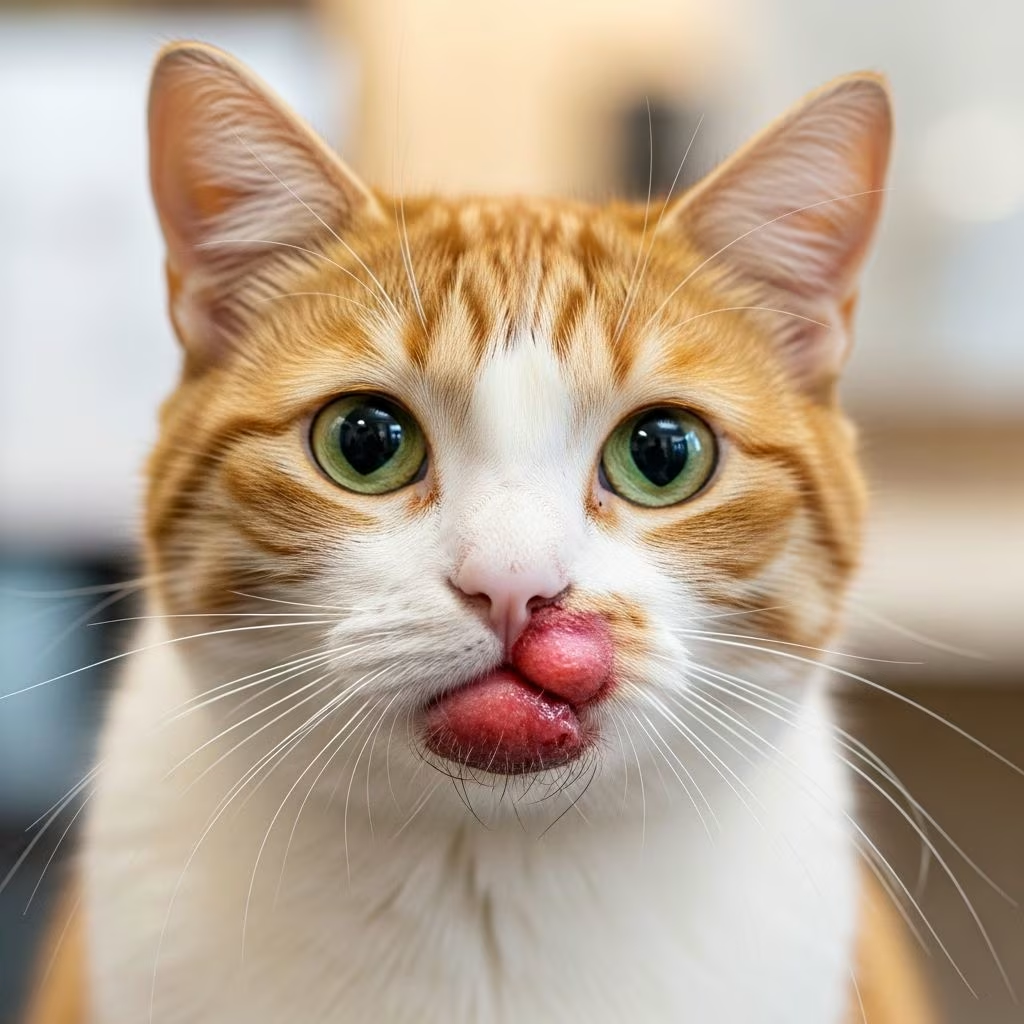
A swollen lip in cats often signals an underlying health issue that requires prompt attention. Whether it’s the upper or lower lip, this symptom can range from mild puffiness to severe inflammation, affecting your cat’s comfort and eating habits. Early detection by observant owners can lead to effective interventions, preventing complications like chronic pain or infections.
Recognizing the Signs of Lip Swelling in Cats
Spotting lip swelling early is crucial for your cat’s well-being. Look for asymmetry where one lip protrudes more than the other, changes in color from pale pink to deep red, or visible lesions like ulcers or raw patches. Accompanying signs include excessive drooling, pawing at the mouth, reduced appetite, or bad breath, which point to oral discomfort.
- Visual cues: Puffy, curled, or enlarged lips, sometimes with scabs or nodules.
- Behavioral changes: Reluctance to eat hard food, head shaking, or excessive grooming around the mouth.
- Other symptoms: Vomiting, lethargy, or facial swelling extending to the nose or cheeks.
These indicators help differentiate minor issues from emergencies. For instance, a sudden “fat lip” on the lower jaw often links to specific immune responses, while gradual swelling might stem from dental decay.
Primary Causes Behind Feline Lip Swelling
Several conditions commonly trigger lip swelling in cats. Understanding these helps owners seek targeted veterinary care. The most frequent culprits involve immune reactions, infections, and oral health problems.
| Condition | Description | Key Symptoms | Likely Location |
|---|---|---|---|
| Eosinophilic Granuloma Complex | Immune-mediated lesions from allergies or insect bites | Ulcers, raised nodules, ‘fat lip’ appearance | Upper or lower lip |
| Dental Disease | Gum infections, abscesses, or tooth decay | Bad breath, drooling, pain while eating | Both lips, often lower |
| Allergies | Reactions to food, pollen, or fleas | Itching, hives, facial puffiness | Upper lip or face |
| Abscesses | Pus pockets from bites or injuries | Red, warm lumps, discharge | Sides of mouth |
| Feline Acne | Blocked pores leading to inflammation | Blackheads, pimples, mild swelling | Chin and lower lip |
Eosinophilic Granuloma Complex Explained
This condition, part of the eosinophilic granuloma complex (EGC), manifests as firm swellings or indolent ulcers. Often triggered by allergies to fleas, mosquitoes, or food, it creates raw, reddish areas, especially on the upper lip’s edge. Lower lip granulomas appear as midline swellings that may ulcerate.
Veterinarians note that EGC responds well to identifying and eliminating allergens, combined with steroids for inflammation control. Without treatment, lesions can worsen, leading to secondary infections.
Dental and Periodontal Problems
Dental disease affects up to 70% of cats over age three, causing gum swelling that extends to lips. Tooth root abscesses push lips outward, accompanied by halitosis and eating difficulties. Periodontal infections erode supporting structures, making early dental exams essential.
Owners might notice missing teeth or bloody saliva. Professional cleanings under anesthesia, extractions, or antibiotics resolve most cases, restoring normal lip contour.
Allergic Reactions and Their Impact
Allergies cause rapid lip swelling due to histamine release. Environmental triggers like pollen or dietary proteins in fish provoke itching and edema. Cats may scratch excessively, exacerbating sores.
Hypoallergenic diets and antihistamines often alleviate symptoms. Testing identifies culprits, preventing recurrence.
Abscesses and Infections
Fight wounds introduce bacteria, forming pus-filled abscesses around the mouth. These appear as hot, fluctuant masses, sometimes rupturing with foul discharge. Feline acne, resembling human pimples, can infect and swell the chin.
Treatment involves lancing, flushing, and antibiotics. Pain relief aids recovery.
When to Seek Immediate Veterinary Help
Not all swellings resolve at home. Rush to the vet if swelling spreads, your cat stops eating, or fever develops. Rapid progression suggests abscesses or tumors, while chronic cases need biopsy for cancer ruling.
Diagnostics include oral exams, bloodwork, allergy tests, or imaging. Biopsies confirm EGC or neoplasia.
Diagnosis Process for Swollen Lips
Vets start with history and physical checks, probing lips for firmness or pain. Dental X-rays reveal hidden abscesses. Cytology scrapes identify eosinophils in granulomas, guiding therapy.
- Skin scrapes for parasites.
- Culture swabs for bacteria.
- Allergy panels or elimination diets.
Treatment Options Tailored to Causes
Treatments vary by diagnosis. Steroids like prednisolone shrink EGC lesions within days. Antibiotics target infections, while dental procedures address root causes.
For allergies, flea preventives and novel protein diets prove effective. Surgery removes tumors or severe abscesses. Supportive care includes soft foods and pain meds.
Home Management and Prevention Strategies
While awaiting vet visits, offer wet food and clean bowls daily. Avoid irritants like plastic dishes for acne-prone cats. Regular flea control and dental chews prevent many issues.
Annual check-ups catch problems early. Brush teeth weekly with enzymatic paste. Monitor diets for novel ingredients if allergies suspected.
Frequently Asked Questions (FAQs)
Can a swollen cat lip heal on its own?
Minor acne might, but most causes like EGC or abscesses need vet intervention to avoid worsening.
Is cat lip swelling always painful?
Not initially, but progression often causes discomfort, shown by eating changes or drooling.
How long does treatment take?
Antibiotics clear abscesses in 7-14 days; EGC may need weeks of steroids.
Can diet cause my cat’s swollen lip?
Yes, food allergies trigger 20-30% of EGC cases. Trial hypoallergenic food for diagnosis.
Should I pop an abscess at home?
No, this risks spreading infection. Vets lance safely.
Long-Term Prognosis and Monitoring
With prompt care, most cats recover fully. Recurrence drops with prevention. Track lip changes monthly, noting photos for trends. Healthy lifestyles bolster immunity against triggers.
Swollen lips, though alarming, are manageable. Vigilant owners partnering with vets ensure thriving felines.
References
- Cat Swollen Lip – Causes, Symptoms and Remedies — Waggel. 2023. https://www.waggel.co.uk/blog/post/cat-swollen-lip-causes-symptoms-remedies
- What’s Causing My Cat’s Swollen Lip? — Chewy. 2024. https://www.chewy.com/education/cat/health-and-wellness/what-should-i-do-about-my-cats-swollen-lip-and-sneezing
- What causes cat swollen lip? — Emerald Life. 2023. https://www.emeraldlife.co.uk/pet-insurance/what-causes-cat-swollen-lip/
- Swollen Lip In Cats: The 3 Main Causes You Need To Know — Kingsdale. 2024. https://www.kingsdale.com/swollen-lip-in-cats-the-3-main-causes-you-need-to-know
- Why Your Cat’s Bottom Lip is Swollen & How To Treat It — Rover. 2023. https://www.rover.com/blog/cat-swollen-bottom-lip/



