

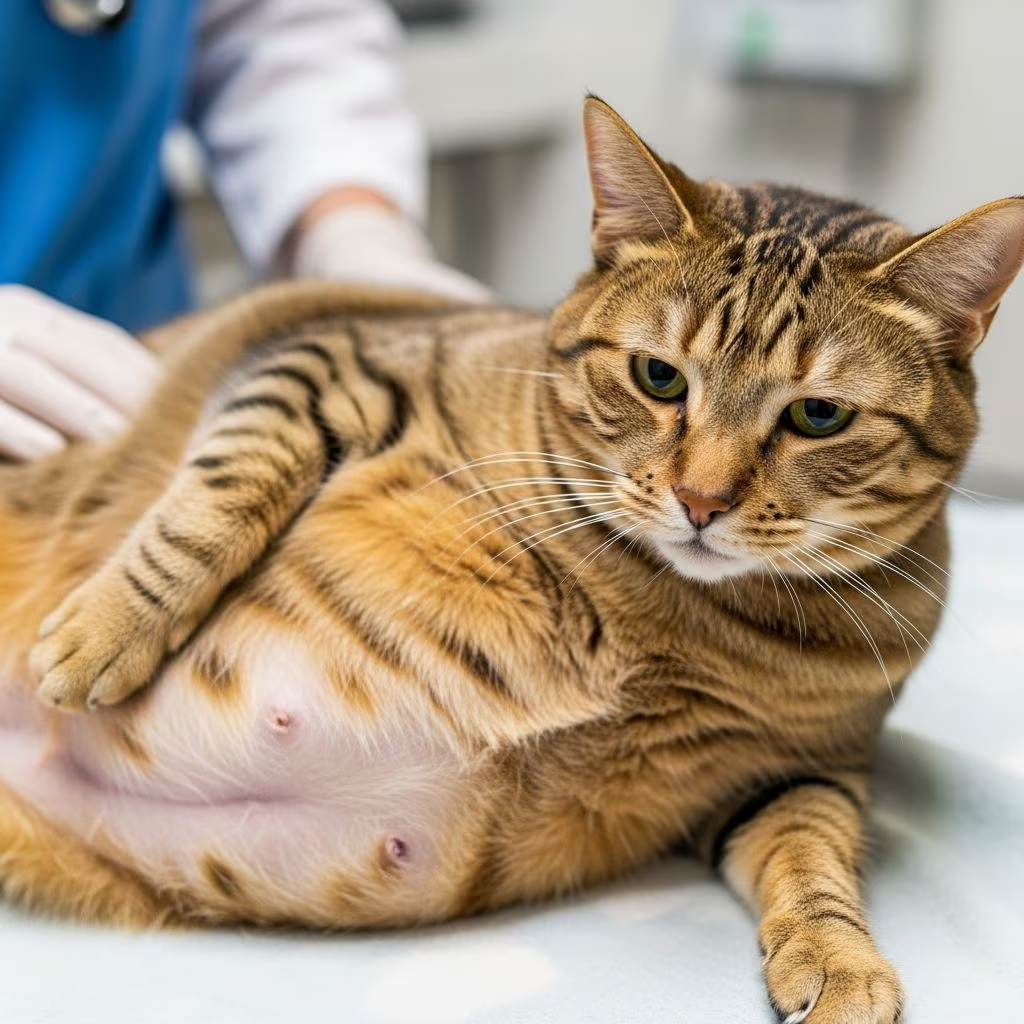
A noticeably enlarged abdomen in cats or kittens often raises alarm for pet owners. This condition, known as abdominal distension, can stem from benign issues like overeating to life-threatening diseases. Prompt recognition of accompanying symptoms and veterinary consultation is crucial to pinpoint the underlying problem and ensure timely intervention.
Recognizing the Signs of a Swollen Abdomen
Observe your cat closely for a rounded or firm belly that feels tense upon gentle palpation. Additional indicators include lethargy, reduced appetite, vomiting, diarrhea, difficulty breathing, or straining to defecate or urinate. In kittens, a pot-bellied appearance is particularly common and warrants immediate attention, as they are more susceptible to certain parasites.
- Lethargy or weakness: Cat appears unusually tired or reluctant to move.
- Appetite changes: Refusal to eat or sudden increase in hunger leading to overeating.
- Digestive upset: Frequent vomiting, diarrhea, or visible worms in stool.
- Pain response: Hissing, flinching, or aggression when the belly is touched.
- Breathing issues: Rapid or labored respiration due to pressure on the diaphragm.
These symptoms help differentiate simple bloating from severe conditions. For instance, a cat acting normal with a slightly distended belly might indicate gas or fat accumulation, while systemic signs suggest deeper pathology.
Common Benign Causes of Belly Swelling
Not all swollen bellies indicate grave illness. Everyday factors can contribute to this appearance, especially in otherwise healthy cats.
Overeating and Obesity
Excess calorie intake without sufficient exercise leads to fat deposition in the abdomen. Indoor cats prone to inactivity are at higher risk. Monitor portion sizes and encourage play to maintain ideal body weight. A body condition score of 4-5 out of 9, where ribs are palpable but not visible, is optimal.
Gas Accumulation and Digestive Bloat
Swallowing air while eating rapidly or dietary indiscretions like scavenging can cause temporary gas buildup. This usually resolves spontaneously but recurring episodes may signal food sensitivities or rapid diet changes disrupting gut flora.
| Cause | Symptoms | Management |
|---|---|---|
| Obesity | Gradual swelling, weight gain | Diet control, exercise |
| Gas Bloat | Sudden mild distension, burping | Slow feeding, probiotic foods |
Serious Medical Causes Requiring Veterinary Attention
Many cases involve pathological processes affecting abdominal organs, fluid dynamics, or infections. These demand professional diagnostics like bloodwork, imaging, and fecal analysis.
Intestinal Parasites: A Leading Culprit in Kittens
Roundworms, hookworms, and tapeworms infest the gut, causing inflammation and distension, especially in young cats from multi-cat environments or outdoor exposure. Kittens nursing from infected mothers pass larvae via milk. Fecal flotation tests confirm presence, treated with broad-spectrum dewormers like pyrantel or fenbendazole, repeated every two weeks until clear.
Fluid Accumulation (Ascites)
Excess fluid in the peritoneal cavity creates a characteristic ‘fluid wave’ detectable by vets. Causes include:
- Heart Failure: Right-sided congestive failure impairs venous return, leading to effusion. Echocardiograms diagnose this emergency.
- Hypoalbuminemia: Low blood protein from liver/kidney disease causes vascular leakage.
- Feline Infectious Peritonitis (FIP): A mutated coronavirus triggers immune-mediated inflammation, common in catteries. Wet form presents with yellow-tinged fluid; PCR testing and fluid analysis aid diagnosis. Recent antiviral treatments like GS-441524 show promise but require specialist oversight.
- Organ Rupture or Trauma: Bladder stones, gallstones, or accidents leak contents, necessitating surgery.
Organomegaly: Enlarged Internal Structures
Liver, spleen, kidneys, or bladder enlargement signals infection, neoplasia, or inflammation. Fungal diseases, toxoplasmosis, or lymphoma enlarge these organs. Ultrasound reveals size and echogenicity changes; biopsies may follow for cancer confirmation.
- Liver/Spleen: Cancer, infections, or extramedullary hematopoiesis.
- Kidneys: Polycystic disease or pyelonephritis.
- Bladder: Obstruction in males from urethral plugs— a veterinary emergency to prevent uremic crisis.
Masses and Neoplasia
Tumors, benign or malignant, displace abdominal contents. Splenic hemangiosarcomas or intestinal adenocarcinomas are culprits. Cytology from fine-needle aspirates or exploratory laparotomy determines nature. Treatments range from excision to chemotherapy.
Other Contributors: Pregnancy and Constipation
Unspayed females may swell from late-term pregnancy or pyometra (uterine infection). Chronic constipation from hairballs or dehydration firms the abdomen. Digital exam and enemas provide relief.
Diagnostic Approaches for Accurate Identification
Veterinarians start with history and physical exam, feeling for masses, fluid, or pain. Next steps include:
- Lab Tests: Complete blood count, chemistry panel, fecal parasitology.
- Imaging: Radiographs for gas patterns/masses; ultrasound for fluid-guided aspiration.
- Advanced: Fluid cytology, biopsy, or exploratory surgery.
Early diagnostics improve outcomes, distinguishing treatable parasites from fatal FIP.
Treatment Strategies Tailored to the Cause
Therapy targets the root issue:
- Parasites: Dewormers, environmental cleaning.
- Fluid: Diuretics, abdominocentesis for relief, address primary disease.
- Obstruction: Surgery or catheterization.
- Cancer: Multimodal—surgery, chemo, palliation.
- Supportive: Fluids, antiemetics, pain control.
Monitor post-treatment; follow-ups ensure resolution.
Prevention: Proactive Steps for Feline Wellness
Minimize risks through:
- Regular deworming and fecal checks, especially for kittens.
- Balanced diet, portion control, obesity screening.
- Vaccinations and isolation in multi-cat homes to curb FIP.
- Spaying to prevent pregnancy/pyometra.
- Annual vet exams with bloodwork for early detection.
When to Rush to the Vet: Red Flags
Seek immediate care if swelling is rapid, painful, or with collapse, pale gums, or bloody stool. Delays in blockages or FIP can be fatal.
Frequently Asked Questions (FAQs)
Is a swollen belly always serious in cats?
No, but it often is—parasites in kittens versus cancer in adults. Vet evaluation is essential.
Can home remedies fix a bloated cat belly?
Never rely on them for potential emergencies; pumpkin for mild constipation is safe but consult first.
How do I know if it’s worms?
Look for rice-like segments in stool, weight loss despite eating. Fecal test confirms.
What is the prognosis for FIP-related swelling?
Guarded; new treatments extend life, but cure is rare.
Why do male cats get urinary blockages?
Narrow urethra traps crystals/plugs; neutering and wet food diets help prevent.
References
- Testing for Abdominal Enlargement in Cats — VCA Animal Hospitals. 2023-05-15. https://vcahospitals.com/know-your-pet/testing-for-abdominal-enlargement-in-cats
- Cat & Kitten Swollen Belly: Causes, Diagnosis and Treatment — Hill’s Pet (International). 2024-02-10. https://www.hillspet.co.id/cat-care/healthcare/cat-and-kitten-swollen-belly
- Bloating (Abdominal Distension) in Cats — Vetster. 2023-11-20. https://vetster.com/en/symptoms/cat/bloating-abdominal-distension
- Swollen Tummy in Cats — Joii Pet Care. 2024-01-05. https://www.joiipetcare.com/blogs/health-symptoms/swollen-tummy-in-cats
- My Cat’s Belly Feels Firm: When To Worry? — Cats.com. 2023-08-12. https://cats.com/my-cats-belly-feels-firm-when-to-worry



