

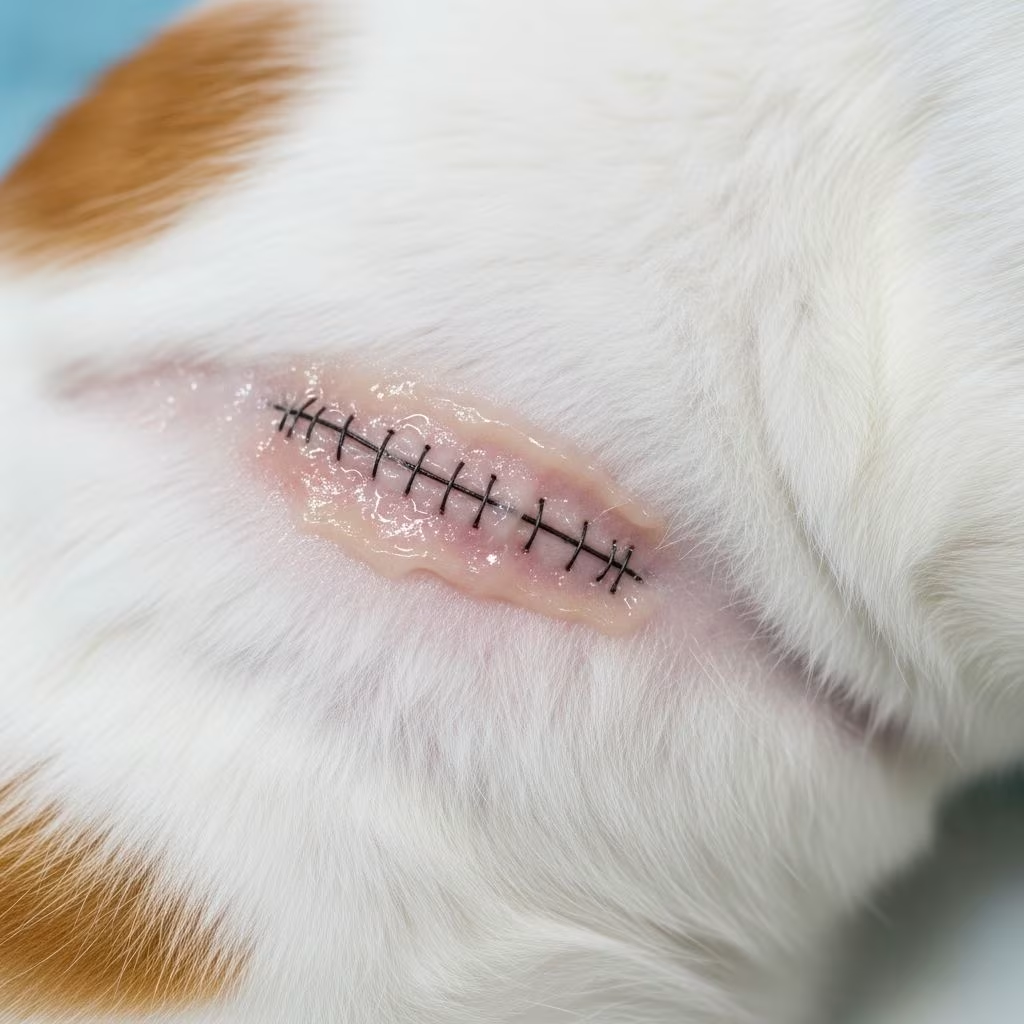
Understanding Your Cat’s Surgical Incision Care
When your cat undergoes surgery, proper wound care during the recovery period is critical to prevent complications and ensure a smooth healing process. Surgical incisions require specific attention and monitoring to promote optimal recovery. Most cats experience straightforward healing when their owners follow veterinary guidelines closely and provide attentive care throughout the recovery phase. Understanding what to expect at each stage of healing and knowing how to properly manage your cat’s incision will help you support their recovery and avoid potential problems.
Timeline: What to Expect During Incision Healing
The healing process for surgical incisions in cats follows a predictable timeline, though individual variations may occur depending on the type of surgery and your cat’s overall health.
The First 24 to 48 Hours Post-Surgery
Immediately after surgery, your cat may experience drowsiness, reduced appetite, and minimal interest in physical activity due to the effects of anesthesia and pain medication. This is a normal response and should gradually improve. During this critical initial period, carefully monitor the incision site for any signs of excessive bleeding, unusual discharge, or foul odor. The incision should appear relatively clean, though some minor swelling or redness is normal. Your cat may be reluctant to eat or drink, but it’s important to encourage small amounts of both to support healing. Your veterinarian may provide an Elizabethan collar (E-collar) or surgical suit to prevent your cat from licking or chewing the wound, even while drowsy.
Days 3 to 7: Initial Healing Phase
By day three, most cats begin recovering their normal energy levels and appetite. However, this is not the time to allow unrestricted activity. The incision site should be gradually closing, and any initial bruising or swelling should begin to diminish. Continue monitoring for excessive licking, as cats instinctively groom their wounds. This period requires strict activity restriction to prevent sudden movements that could strain or reopen the incision. Avoid bathing your cat during these early days, as moisture can interfere with the healing process and potentially introduce bacteria. The E-collar or recovery suit should remain in place to provide continued protection.
Days 8 to 14: Final Surface Healing
Most incisions achieve complete surface closure between days 10 and 14 post-surgery. At this stage, the wound should appear dry without redness, swelling, or any discharge. If your veterinarian used dissolvable internal stitches, they will gradually break down naturally. If external sutures or staples were placed, your veterinarian will schedule a follow-up appointment to remove them, typically around the two-week mark. Even though the surface appears healed, internal healing continues for several weeks, so activity restrictions should remain in place until your veterinarian confirms full healing.
Essential Daily Monitoring of Your Cat’s Incision
Regular inspection of the surgical site is one of the most important responsibilities during recovery. Daily monitoring allows you to catch potential complications early before they become serious problems.
What to Look For During Inspection
Examine the incision at least once daily, and ideally twice daily during the first week. Check for the following indicators:
- Excessive redness or inflammation at or around the incision site
- Swelling that worsens or doesn’t improve by day three or four
- Any discharge, including clear fluid, pus, or blood
- Foul or unusual odors emanating from the wound
- Separation of the incision edges or any opening along the line
- Heat emanating from the surgical site
- Signs of sutures or staples pulling away from the skin
Using Photography for Objective Assessment
Taking daily photographs of the incision with your smartphone creates a visual record that helps you and your veterinarian objectively track healing progress. These images are particularly valuable if you’re uncertain about subtle changes or if you need to communicate concerns to your veterinarian between appointments. Store photos chronologically so you can review them to confirm that healing is progressing normally.
Preventing Complications: The Critical Role of E-Collars and Recovery Suits
One of the most common causes of post-surgical complications is licking and chewing at the incision site. Even brief periods of intense grooming can lead to serious problems, including infection, suture removal, and wound opening.
Understanding Why Cats Lick Surgical Sites
Cats instinctively groom their wounds as part of their natural healing behavior, but this instinct can be harmful after surgery. Licking introduces bacteria from the mouth into the wound, potentially causing infection. Chewing can physically damage stitches and disrupt the healing wound edge.
E-Collar Protection
An Elizabethan collar, commonly called a cone or E-collar, is highly recommended to prevent licking and chewing. Most cats adjust to wearing a cone within a day or two, even if they initially resist. The E-collar should remain in place 24 hours a day for a minimum of 7 to 10 days, or until your veterinarian confirms the incision is sufficiently healed. Never remove the collar unsupervised, as your cat may quickly lick the wound during unguarded moments.
Alternative Protection: Recovery Suits
Soft surgical recovery suits, which resemble child-sized onesies, offer an alternative to traditional E-collars. These suits provide comfort while still preventing access to the incision. Many cats tolerate recovery suits well, and they allow greater visibility and comfort than traditional cones. Discuss which option best suits your cat’s temperament and the location of the incision with your veterinarian.
Activity Restriction: Supporting Proper Wound Healing
Limiting your cat’s movement is essential for preventing complications during the critical healing period.
Guidelines for Activity Restriction
For most surgical procedures, your cat’s activity should be restricted for 7 to 10 days after surgery. This means avoiding running, jumping, rough play, and excessive climbing. Sudden movements and jumping create tension on the incision that can lead to swelling, reopening, or other complications.
Creating a Safe Recovery Space
Confine your cat to a small, quiet room or use a playpen to limit movement naturally. Remove access to high surfaces where your cat might jump. Keep other pets and small children away from your recovering cat to minimize stress and accidental injury. A calm, quiet environment supports healing and reduces the urge to engage in strenuous activity.
When Normal Activities Can Resume
The timeline for resuming normal activities depends on the type of surgery performed. In most cases, your cat will need restricted activity for at least one to two weeks or until sutures are removed. Your veterinarian will provide specific guidance based on the surgical procedure and your cat’s individual recovery progress.
Medication Management and Pain Control
Proper pain management is critical to your cat’s recovery and comfort during the healing process.
Following Medication Instructions
If your veterinarian prescribed pain medication, administer it exactly as directed. Pain management plays a significant role in recovery by allowing your cat to move naturally without favoring the surgical site, which could cause complications. Never give human pain relievers or over-the-counter medications, as many are toxic to cats and can cause serious harm.
Monitoring for Medication Side Effects
Keep records of when medications are administered and note any apparent side effects or behavioral changes. If you observe unusual reactions or have concerns about medication effectiveness, contact your veterinarian.
Wound Care and Bathing Precautions
Proper wound care prevents infection and complications during the healing process.
Avoiding Water and Cleaning Products
Do not bathe your cat for 10 to 14 days after surgery. Moisture can interfere with healing and introduce bacteria into the wound. Never clean the incision with alcohol, hydrogen peroxide, or ointments unless explicitly instructed by your veterinarian. Even products marketed for pets can interfere with surgical wound healing if they are not appropriate for the specific situation.
When Veterinary-Directed Cleaning is Necessary
If your veterinarian instructs you to clean the area, use only the recommended solution and technique. Always follow their specific instructions precisely.
Sutures and Staples: What You Need to Know
Understanding the type of closure your veterinarian used helps you know what to expect during recovery.
Dissolvable Internal Stitches
If your cat’s stitches were placed inside the incision, they will dissolve on their own as the site heals. No removal appointment is necessary for internal dissolvable sutures. These gradually break down over several weeks without any action needed on your part.
External Sutures and Staples
If external sutures or staples were used to close the incision, your veterinarian will schedule a follow-up appointment approximately two weeks after surgery for removal. At this visit, your veterinarian will examine the incision to confirm healing is adequate before removing the sutures or staples.
Tissue Glue
Some veterinarians use tissue glue to seal surgical incisions. This glue will naturally come off over several days as the skin heals beneath it.
Warning Signs: When to Contact Your Veterinarian
Certain signs indicate potential complications requiring immediate veterinary attention.
| Warning Sign | What It May Indicate | Action to Take |
|---|---|---|
| Excessive bleeding or oozing | Possible infection or wound disruption | Contact veterinarian immediately |
| Foul or unusual odor from incision | Potential bacterial infection | Schedule urgent veterinary visit |
| Increasing redness or swelling after day 3-4 | Infection or inflammatory response | Contact veterinarian for guidance |
| Discharge (pus, blood, or clear fluid) | Infection or wound opening | Contact veterinarian immediately |
| Separation of incision edges | Wound opening or dehiscence | Emergency veterinary care |
| Sutures or staples pulled or removed | Loss of wound support | Contact veterinarian as soon as possible |
| Heat radiating from surgical site | Infection or inflammation | Schedule veterinary examination |
| Persistent licking despite E-collar | Pain, irritation, or infection | Contact veterinarian for advice |
Special Considerations for Different Surgical Types
Spay Surgery (Female Cats)
Female cats undergoing spay surgery typically have an incision on the abdomen or flank. These cats may need up to 10 to 14 days of monitored care before returning to regular activity. Internal sutures are commonly used and will dissolve on their own.
Neuter Surgery (Male Cats)
Male cats may recover slightly faster than females, often showing normal behavior within 2 to 3 days. However, activity restrictions should still be maintained for the full 7 to 10-day period. Neuter incisions are often left partially open to allow for drainage, and male cats may have some spotting for the first 24 hours, which is normal.
Follow-Up Appointments: Essential for Monitoring Recovery
Attend all scheduled follow-up appointments with your veterinarian. Before each appointment, prepare by noting any changes in your cat’s condition, appetite, or behavior, and recording medication administration and any apparent side effects. Bring your incision site photos to demonstrate healing progression and discuss any questions that have arisen during home care.
During follow-up visits, your veterinarian will thoroughly examine the surgical site, assess overall recovery, and determine if sutures or staples can be removed. They will also evaluate whether activity restrictions can be modified and if medications should be continued, adjusted, or discontinued.
Frequently Asked Questions About Cat Surgical Incision Care
Q: How long does it take for a cat’s surgical incision to fully heal?
A: Most cats achieve surface healing within 10 to 14 days, but complete internal healing can take several weeks. Your veterinarian will provide specific timelines based on the surgery type.
Q: Can I clean my cat’s incision with water or antiseptic?
A: No. Avoid bathing your cat or cleaning the incision with water, alcohol, hydrogen peroxide, or ointments unless specifically instructed by your veterinarian. Moisture can interfere with healing and introduce bacteria.
Q: How long should my cat wear an E-collar?
A: An E-collar should remain in place for a minimum of 7 to 10 days, or until your veterinarian confirms the incision is healed and your cat is no longer at risk of licking.
Q: What should I do if my cat removes stitches?
A: If your cat removes any stitches, call your veterinary hospital as soon as possible. Do not attempt to replace them yourself, as this could introduce infection.
Q: Can my cat go outside during recovery?
A: No. Your cat should remain indoors for the entire recovery period to prevent wound contamination, physical trauma, and stress that could interfere with healing.
Q: How will I know if my cat has an infection?
A: Signs of infection include excessive redness, swelling, foul odor, discharge, heat around the site, or behavioral changes. Contact your veterinarian immediately if you notice any of these signs.
Q: When can my cat resume normal jumping and playing?
A: Activity restrictions typically last 7 to 10 days, but the timeline depends on the surgery type. Your veterinarian will advise when it’s safe to resume normal activity based on healing progress.
Q: Do I need to give my cat pain medication during recovery?
A: If your veterinarian prescribed pain medication, yes. Pain management is critical for comfort and proper healing. Give medications exactly as directed and never substitute with human medications.
References
- Cat Spay Incision Healing Process: Everything You Need to Know — Yale’s Ville Veterinary Services. 2025. https://yalesvillevet.com/blog/cat-spay-incision-healing-process/
- Cat Spay & Neuter Recovery Guide — Bliss Animal Hospital. 2025. https://blissanimalhospital.com/blog/what-to-expect-after-cat-spay-or-neuter-surgery/
- Pet Surgical Wound Care: 7 Essential Tips for Post-Op Recovery — The Pet Vet. 2025. https://thepetvet.com/pet-surgical-wound-care/
- Guide To Pre and Post Surgery Care For Cats — Cedar Mill Veterinary Clinic. 2022. https://www.cedarmillvet.com/site/blog/2022/09/23/guide-to-pre-and-post-surgery-care-for-cats
- Cat & Dog Post-Op Instructions — Fix’N Wag’N Inc. 2025. https://www.fixnwagn.com/feline-canine-post-op
- Post-Operative Instructions in Cats — VCA Animal Hospitals. 2025. https://vcahospitals.com/know-your-pet/post-operative-instructions-in-cats



