

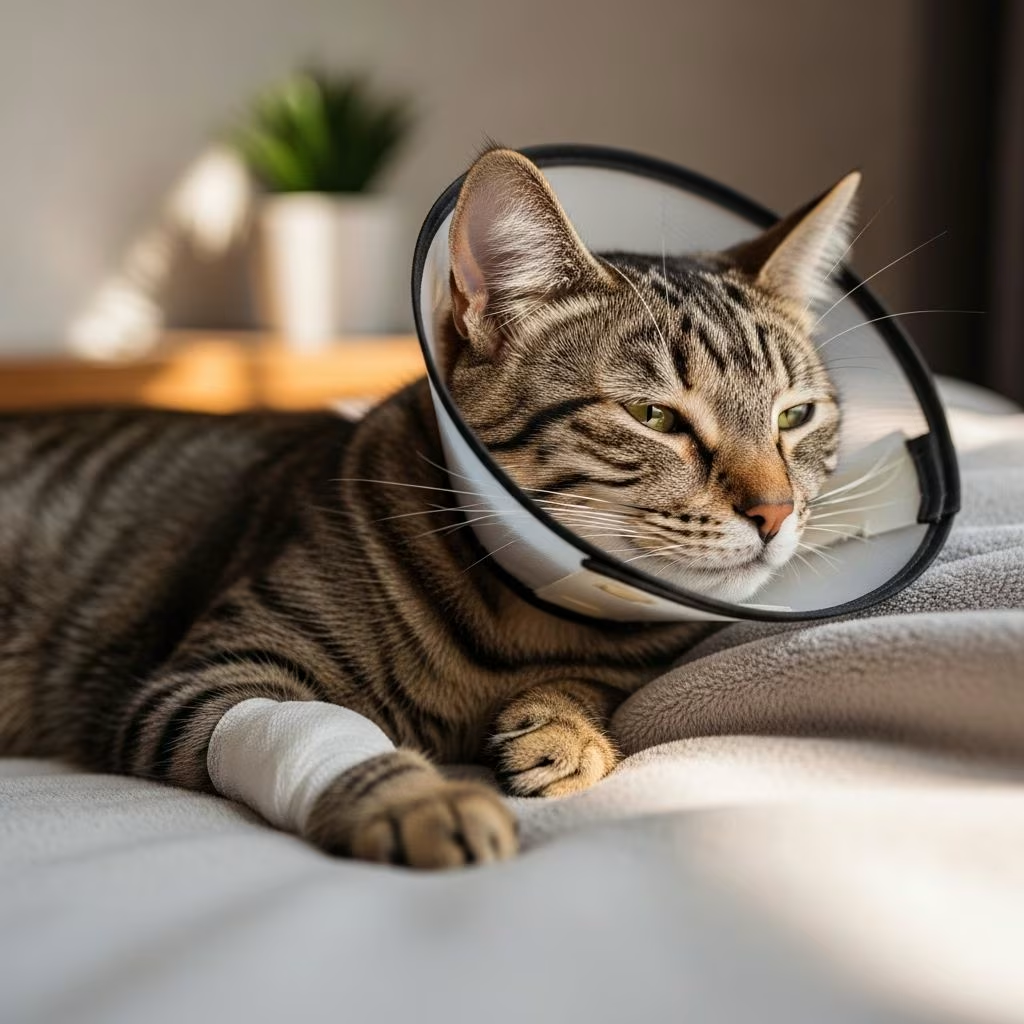
Your cat’s journey through surgery and back to health requires careful attention at home. Understanding the stages of recovery helps you provide the right support, minimizing complications and speeding healing. This guide covers everything from immediate post-op care to full rehabilitation.
Understanding Surgical Recovery Timelines
Recovery duration varies by procedure type. Soft tissue operations, such as spays, neuters, or abdominal repairs, generally heal faster than those involving bones or joints.
- Soft tissue surgeries: Initial healing in 2-3 weeks, full recovery around 6 weeks.
- Orthopedic surgeries: 80% recovery in 8-12 weeks, complete healing often 6 months or more.
These timelines assume proper home care. Factors like age, overall health, and adherence to vet instructions influence outcomes. Always follow your veterinarian’s specific guidance.
Navigating Anesthesia Aftereffects
General anesthesia keeps cats pain-free during surgery but lingers afterward, causing grogginess, unsteadiness, or reduced appetite.
Typical symptoms include:
- Sleepiness or wobbliness lasting a few hours to a day.
- Temporary appetite loss, resolving within 24 hours.
Provide a warm, quiet space for rest. Offer small amounts of water first, then bland food if interested. If no eating by 48 hours, consult your vet, as it may signal pain or infection.
Creating a Safe Recovery Environment
A dedicated recovery area prevents accidents and promotes rest. Choose a small, quiet room away from high-traffic zones or other pets.
| Element | Recommendations |
|---|---|
| Space | Quiet room with soft bedding, litter box, food, and water nearby. |
| Temperature | Warm (75-80°F) to counter chills from anesthesia. |
| Confinement | Crate for orthopedic cases; indoor-only for others (7-10 days). |
Monitor constantly the first 24 hours. Behavior changes like excessive vocalizing or hiding are normal initially but warrant vet checks if persistent.[10]
Activity Restriction Strategies
Limiting movement protects incisions from reopening. Vets recommend 7-14 days of reduced activity for most procedures.
- Prevent jumping: Block access to high surfaces, use baby gates.
- Crate rest for orthopedic needs: Provide toys, litter inside for comfort.
- Supervised short walks after initial days, leashed if outdoors later.
Indoor confinement suffices for many cats. Gradually reintroduce play after suture removal or vet approval.
Wound Care and Monitoring Essentials
Keep the incision clean and dry. Check daily for issues like swelling, redness, discharge, or dehiscence.
Key monitoring signs:
- Normal: Mild swelling first 2-3 days, fading.
- Concern: Pus, foul odor, excessive licking, or heat.
Avoid baths; use vet-approved cleaners if needed. E-collars (cones) prevent self-trauma. Remove sutures as scheduled, typically 10-14 days post-op.
Pain Management and Medication Protocols
Cats hide pain well, so follow prescribed meds diligently. Common options include opioids, NSAIDs, or gabapentin.
- Administer on schedule, with food to avoid stomach upset.
- Watch for side effects: Vomiting, diarrhea, lethargy—contact vet immediately.
- Non-drug relief: Soft bedding, gentle massage away from wounds.
Pain signs include reduced eating, aggression, or hiding. Don’t give human meds like acetaminophen—toxic to cats.
Nutrition and Hydration During Healing
Energy demands rise post-surgery. Transition slowly to normal diet after 24 hours.
- Start with small, frequent meals of recovery food (high-protein, palatable).
- Ensure fresh water; consider fountains if picky.
- Senior or picky eaters: Vet-recommended supplements.
Weight monitoring prevents loss; aim for steady gain in orthopedic cases.
Spotting and Handling Complications
Swift intervention averts serious issues. Call vet if:
- No appetite >48 hours, fever (>103°F), or labored breathing.
- Incision opens, severe swelling, or refusal to bear weight on a leg.
- Lethargy beyond 48 hours or unusual discharge.
Most cats recover uneventfully with vigilance. Infections occur in <5% with good care, per vet observations.
Rehabilitation for Orthopedic Cases
Bone and joint surgeries demand structured rehab. Expect 6+ months.
- Physical therapy: Passive range-of-motion exercises per vet.
- Weight control: Low-cal diet to reduce joint stress.
- Follow-up X-rays to track bone healing.
Patience yields strong outcomes; many cats regain full mobility.
FAQs on Cat Post-Surgery Care
Q: How long until my cat acts normal?
A: 24-48 hours for anesthesia; full activity 1-2 weeks or per vet.
Q: Is crate rest always needed?
A: Only for high-risk cases like orthopedics; indoor rest often enough.
Q: What if my cat removes stitches?
A: Use e-collar; seek vet repair if early.
Q: When can outdoor access resume?
A: 2 weeks minimum, after suture removal and vet OK.
Q: Appetite not returning?
A: Vet check after 48 hours—may indicate pain/infection.
Long-Term Wellness After Surgery
Post-recovery, schedule check-ups. Maintain weight, dental health, and vaccinations to prevent future issues. Spayed/neutered cats benefit from exercise routines to combat obesity.
Recovery success hinges on partnership with your vet. Track progress, adhere to plans, and celebrate small milestones like first unassisted steps.
References
- Cat Recovering from Surgery — PetVax. 2022-07-30. https://www.petvaxah.com/site/blog/2022/07/30/cat-recovering-from-surgery
- Caring For Your Cat Recovering From Surgery — Matthews Carolina Vet. 2021-09-15. https://www.matthews.carolinavet.com/site/pet-health-blog/2021/09/15/caring-for-cat-recovering-surgery
- Recovery After Surgery in Cats — Cerbat Cliffs Animal Hospital. 2022-04-30. https://www.cerbatcliffs.com/site/blog/2022/04/30/cat-surgery
- Cat Recovering from Surgery: How to Help Them Get Better — Animal Hospital Babcock Ranch. 2023-08-15. https://www.animalhospitalbabcockranch.com/site/blog/2023/08/15/cat-recovering-surgery-how-help-them-get-better
- Post-Operative Instructions in Cats — VCA Animal Hospitals. N/A. https://vcahospitals.com/know-your-pet/post-operative-instructions-in-cats



