

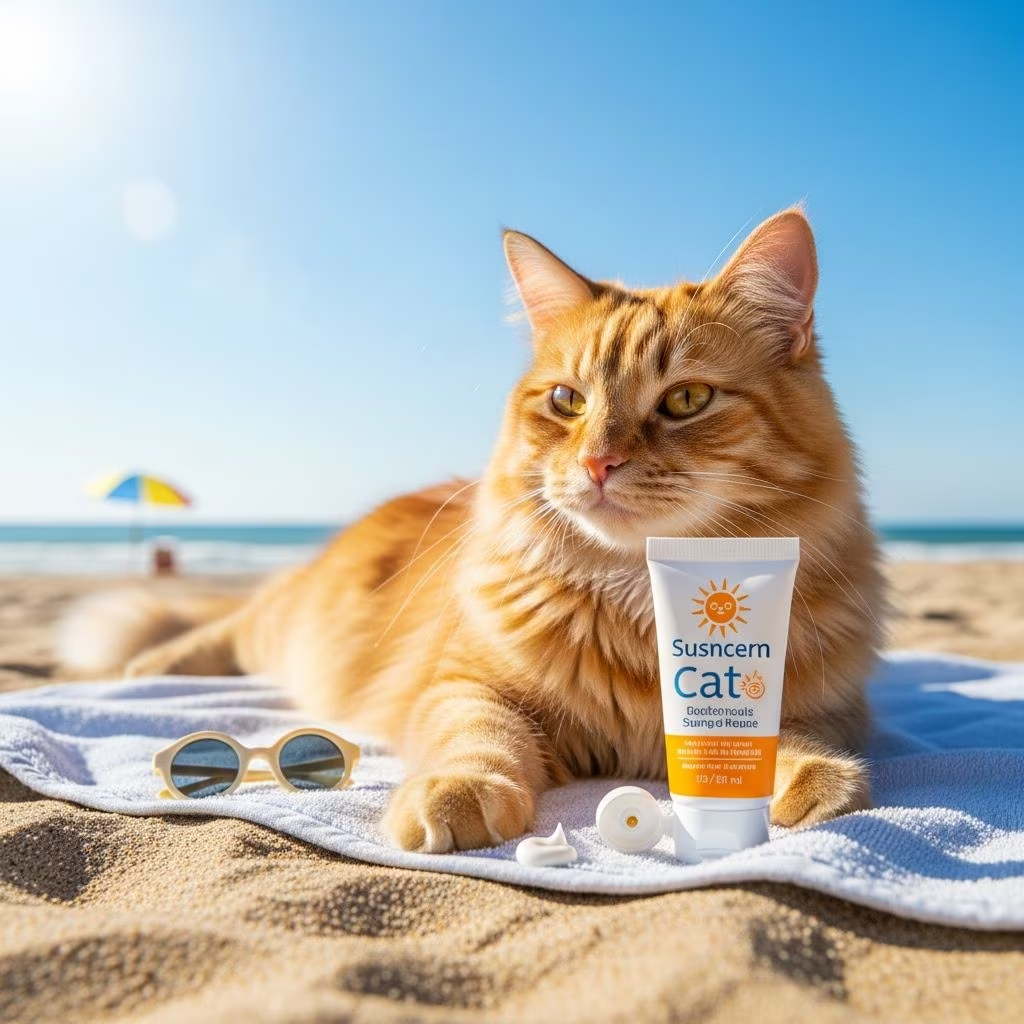
Cats can suffer from sunburn just like humans, especially on thinly furred areas, making pet-safe sunscreen a vital tool for outdoor protection.
Understanding UV Risks for Cats
Feline skin lacks the robust UV defenses found in thicker-furred or darkly pigmented animals. Ultraviolet radiation penetrates fur easily on light-colored cats, leading to burns on noses, ear tips, and bellies. Repeated exposure heightens chances of chronic damage, including infections or tumors.12 Those with white or sparse coats face elevated vulnerability, particularly in sunny climates or during peak daylight hours.
- Light-furred cats absorb more UV due to low melanin levels.
- Outdoor roamers in hot regions require proactive shielding.
- Indoor cats near unshaded windows may still need safeguards.
Signs Your Cat Has Sunburn
Spot early indicators to prevent escalation. Redness on exposed skin signals initial burn; cats may paw at affected spots or show discomfort when touched. Blisters or peeling indicate moderate damage, while persistent wounds suggest severe cases needing veterinary care.2 Pale-eared or nosed felines often exhibit these first during prolonged sun sessions.
| Symptom | Severity | Action |
|---|---|---|
| Skin redness | Mild | Shade, cool compress |
| Blisters or sores | Moderate | Vet consult, ointment |
| Non-healing ulcers | Severe | Immediate treatment |
Why Avoid Human Sunscreens
Products for people often include toxins lethal to cats if licked off. Zinc oxide, common in many formulas, causes red blood cell damage upon ingestion. Salicylates, related to aspirin, provoke irritation or worse. Propylene glycol and PABA add further risks, emphasizing pet-formulated alternatives.179
Selecting Safe Feline Sunscreens
Opt for broad-spectrum options blocking UVA and UVB rays with SPF 15-30. Labels must confirm cat safety, fragrance-free composition, and absence of zinc, salicylates, PABA, or propylene glycol. Veterinary endorsements ensure reliability; test patches first for reactions.15
- Broad-spectrum coverage essential.
- Non-staining, odorless preferred.
- Vet-approved brands only.
Step-by-Step Application Guide
Timing matters: apply 20-30 minutes pre-exposure, reapplying every 2-3 hours or post-swim. Use fingertips for thin layers on vulnerable zones; distract with treats to curb licking.12
- Choose vetted product and patch-test 24 hours prior.
- Gently rub into nose, ears, belly, and sparse-fur spots.
- Steer clear of eyes, mouth; monitor for upset.
- Reapply diligently during extended outings.
Beyond Sunscreen: Holistic Protection
Limit midday ventures when rays peak; provide shaded retreats and water stations. Clothing like vests or hats suits some cats, while indoor-only policies work for high-risk individuals. Regular skin checks catch issues early.26
Special Considerations for Vulnerable Cats
Senior cats or those with medical histories demand extra caution. Hairless breeds like Sphynx need full coverage; consult vets for tailored plans. Hot climates amplify needs, blending sunscreen with behavioral adjustments.2
Common Myths Debunked
- Myth: Thick fur blocks all UV.
Fact: Ears and noses remain exposed regardless.1 - Myth: Only hairless cats burn.
Fact: White or thin-furred ones top the risk list.2 - Myth: Indoor cats are immune.
Fact: Window glass filters UVB but not UVA.1
Frequently Asked Questions
Can all cats use sunscreen?
Not universally; focus on at-risk profiles like light-coated outdoor cats. Always vet-check first.2
How often to reapply?
Every 2-4 hours outdoors, or sooner if wet or rubbed off.1
What if my cat licks it?
Pet formulas minimize harm, but vomiting warrants a vet call. Distract post-application.2
Are natural alternatives effective?
Some oils offer minor aid, but lack proven SPF; stick to tested products.5
Does sunburn lead to cancer?
Yes, chronic cases elevate skin cancer odds, especially on ears.12
Long-Term Skin Health Strategies
Incorporate grooming to spot changes, balanced diets for skin resilience, and annual vet exams. Combine with flea preventives safe alongside sun gear. Educate on seasonal shifts: summer demands vigilance, but reflective snow poses winter threats.
Product Comparison Insights
Research vet-recommended lines; prioritize those with transparent ingredients. User feedback highlights ease of use and efficacy, but individual tolerances vary.34
| Feature | Ideal Spec | Why It Matters |
|---|---|---|
| SPF Level | 15-30 | Balances protection and gentleness |
| Spectrum | UVA/UVB | Comprehensive ray blocking |
| Key Avoids | Zinc, Salicylates | Prevents toxicity |
Empowering cat owners with knowledge fosters safer sun enjoyment. Prioritize prevention through informed choices, yielding healthier, happier companions.
References
- Do Cats Need Sunscreen? Protecting Your Pet from Harmful UV Rays — Welltayl. 2023. https://welltayl.com/blogs/news/do-cats-need-sunscreen
- Should I use sunscreen on my cat? — International Cat Care. 2024. https://icatcare.org/articles/should-i-use-sunscreen-on-my-cat
- Do Cats Need Pet Sunscreen & Bug Spray? — Sacramento Cat Hospital. 2023. https://www.sacramentocathospital.com/blog/do-cats-need-pet-sunscreen-and-bug-spray/
- Why You Should Use Pet Sunscreen And Bug Spray — Bayside Animal Hospital. 2024. https://www.baysideanimalhospitalonline.com/blog/why-you-should-use-pet-sunscreen-and-bug-spray/
- Why Some Pets Need Sun Protection — Tier1Vet. 2023. https://tier1vet.com/why-some-pets-need-sun-protection/
- Cats and Sunscreen — RSPCA NextGen. 2024. https://nextgen.rspca.org.uk/stories/animal-care/cats-and-sunscreen
- Pets and Sunscreen: Don’t Get Burned by the Myths! — ASPCA. 2023. https://www.aspca.org/news/pets-and-sunscreen-dont-get-burned-myths



