

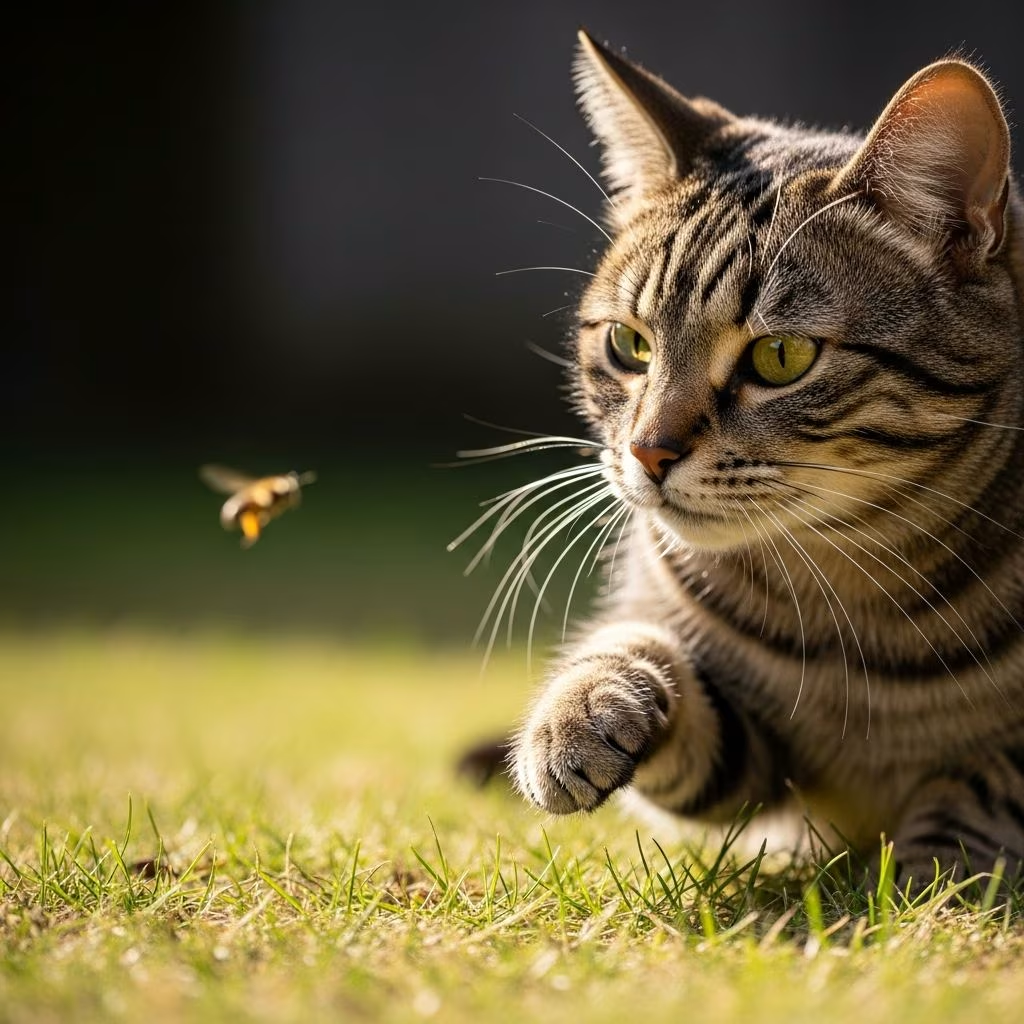
What To Do When Your Cat Is Stung by a Bee or Wasp
Bee and wasp stings are a common concern for cat owners, especially during warmer months when these insects are more active. While most stings result in mild discomfort and localized swelling, some cats may experience severe allergic reactions that require immediate veterinary attention. Knowing how to respond quickly and appropriately can make a significant difference in your cat’s comfort and safety. This comprehensive guide will walk you through the essential steps to take when your cat is stung by a bee or wasp, help you recognize warning signs, and explain when professional veterinary care is necessary.
Immediate Steps to Take After a Bee or Wasp Sting
1. Stay Calm
The first and most important step is to remain calm. Your cat will pick up on your anxiety, which may increase their stress and agitation. Take a few deep breaths and approach your cat gently. Staying composed will help you assess the situation more clearly and provide better care for your pet.
2. Remove the Stinger
If your cat has been stung by a bee, there may be a stinger left embedded in the skin. Acting quickly is essential because the stinger continues to inject venom into your cat’s body as long as it remains in place. To remove the stinger safely, use a flat-edged object like a credit card or the edge of a knife to gently scrape the stinger away from the skin. Scrape from below the venom sac to avoid squeezing additional venom into your cat’s body. It’s crucial to avoid using tweezers, as pinching the stinger can compress the venom sac and release more venom into the wound. Unlike bees, wasps and hornets do not leave stingers behind, so you won’t need to perform this step if your cat has been stung by these insects.
3. Apply Cool Water and Ice (Optional)
After removing the stinger, rinse the affected area with cool water to help flush away any remaining venom and provide initial relief. Next, prepare an ice pack by wrapping it in a towel or thin cloth. Always test the temperature on yourself first to ensure it’s not too cold for your cat. Never apply ice directly to your cat’s fur or skin, as this can cause tissue damage. Once you’ve confirmed the temperature is safe, apply the covered ice pack to the sting site for approximately 10 minutes. This will help reduce swelling and numb the area, providing your cat with pain relief.
4. Monitor Your Cat
Closely observe your cat for the next 15 to 20 minutes following the sting. During this critical window, allergic reactions or signs of anaphylaxis may develop. Keep your cat calm and in a quiet environment. Watch for any changes in behavior, breathing patterns, or physical symptoms. If you notice any concerning signs, don’t hesitate to contact your veterinarian or emergency animal hospital.
5. Contact Your Veterinarian
Even if your cat appears to be recovering well after a bee or wasp sting, it’s a good idea to call your veterinarian for guidance. They can provide specific advice based on your cat’s age, health history, and the severity of the sting. Your vet may recommend over-the-counter treatments or suggest bringing your cat in for an examination if they have concerns about an allergic reaction.
Recognizing Signs of a Bee or Wasp Sting
It’s important to know what symptoms to look for after your cat has been stung. Recognizing these signs early can help you determine whether home treatment is sufficient or if veterinary care is needed.
Localized Symptoms
Swelling and Redness: You may notice swelling, redness, or mild inflammation at the sting site. This is a normal reaction and typically appears within 20 minutes of the sting.
Flinging a Paw: If your cat has been stung in the paw, they might flip the paw in the air repeatedly or shake it vigorously. Your cat may also start limping or refusing to put weight on the affected paw due to pain.
Licking an Area: Your cat may be trying to relieve pain in the affected area by excessively grooming or cleaning it. Compulsive licking is a common response to discomfort and irritation.
Itching or Scratching: Instead of licking, your cat may try to feel better by scratching the affected area. This is an instinctive response to the itching caused by the venom.
Vocalization and Distress: Your cat may cry out in pain, meow loudly, or make other sounds of distress immediately after being stung. Some cats become more vocal than usual when experiencing pain.
Mouth and Throat Issues: If your cat has been stung near the mouth or in the throat, watch for signs of drooling, difficulty eating, or difficulty swallowing. Stings in this area can be particularly concerning because swelling may affect your cat’s ability to eat and drink normally.
When to Seek Emergency Veterinary Care
While most bee and wasp stings cause only minor discomfort, some cats experience severe allergic reactions that constitute a medical emergency. Understanding the difference between a normal reaction and a serious one is crucial for your cat’s safety.
Signs of an Allergic Reaction
Contact your veterinarian immediately if your cat displays any of the following signs of an allergic reaction:
- Severe swelling beyond the immediate sting site
- Weakness or lethargy
- Hives or rash appearing on the skin
- Vomiting or diarrhea
- Excessive drooling or difficulty swallowing
- Changes in breathing, especially difficulty breathing or rapid breathing
- Disorientation, stumbling, or dizziness
- Pale or white gums
- Hissing, growling, or increased agitation
- Seizures
Anaphylactic Shock: A Life-Threatening Emergency
Anaphylactic shock is the most severe type of allergic reaction and requires immediate emergency veterinary care. Signs of anaphylaxis may appear within 15 to 20 minutes of the sting and include:
- Severe, widespread swelling
- Weakness and difficulty standing or walking
- Collapse or loss of consciousness
- Difficulty breathing or respiratory distress
- Pale or bluish gums
- Abnormally slow or fast heart rate
- Low body temperature and cold limbs
- Seizures or convulsions
If your cat exhibits any signs of anaphylaxis, especially difficulty breathing, take them directly to an emergency veterinary clinic without delay. This is particularly critical if your cat has been stung on the face, head, or neck, as swelling in these areas can restrict breathing and become life-threatening within minutes.
At-Home Treatment and Remedies
For mild stings with minimal symptoms, several at-home treatments can help soothe your cat’s discomfort and promote healing.
Soothing Pastes and Baths
Baking Soda Paste: Bee venom is highly acidic, which causes painful inflammation. You can neutralize the venom by applying a thick paste made from baking soda and water to the sting site. Allow the paste to dry on the affected area for 15 to 20 minutes before gently rinsing it away. This remedy is particularly effective for single stings.
Oatmeal Bath: If your cat has multiple stings, consider giving them a soothing oatmeal bath. Colloidal oatmeal (finely ground oatmeal) can be added to lukewarm bathwater to help reduce itching and irritation across multiple affected areas. This treatment can help ease your cat’s pain and promote recovery from multiple stings.
Chamomile Lotion: Some cats respond well to chamomile-based lotions applied to the sting site, which can help soothe irritation and provide relief from itching.
Ice Packs and Cold Compresses
As mentioned earlier, applying a covered ice pack for 10 minutes can significantly reduce swelling and provide pain relief. You can use a commercial ice pack, a bag of frozen peas, or even a cool, damp towel. The key is to never apply extreme cold directly to your cat’s skin, as this can cause tissue damage. Always use a barrier like a towel or T-shirt between the cold source and your cat’s fur.
Antihistamines
For mild allergic reactions, your veterinarian may recommend giving your cat an oral antihistamine such as diphenhydramine (Benadryl or Vetadryl). However, it’s essential to consult with your veterinarian first to determine the correct dose for your cat’s weight and age. Be aware that some human versions of Benadryl contain alcohol or additional medications that may be harmful to cats. Once you know the appropriate medication and dosage, you can keep some in your pet’s first aid kit for future reference. Having this information readily available can save precious time if your cat is stung again.
What Your Veterinarian May Recommend or Prescribe
If your cat experiences a severe allergic reaction or anaphylaxis, your veterinarian will implement emergency treatments to stabilize your cat’s condition. These may include administering antihistamines, corticosteroids, and epinephrine to counteract the allergic reaction. Your vet may also provide intravenous (IV) fluids and oxygen therapy to support your cat’s breathing and circulation. Blood and urine tests may be performed to check for organ damage resulting from the severe reaction.
After treatment for a severe allergic reaction, your veterinarian may prescribe an epinephrine auto-injector (Epi-Pen) for emergency use at home in case your cat is stung again in the future. This medication can be life-saving if administered quickly during an anaphylactic reaction.
Prevention Tips
While you can’t completely prevent your cat from encountering bees or wasps, there are several steps you can take to reduce the risk:
- Keep your cat indoors during peak bee and wasp activity times, typically early morning and late afternoon
- Remove or seal trash cans and compost bins that might attract insects
- Avoid leaving pet food outside, as it can attract bees and wasps
- Keep your cat away from flowering plants and areas where insects are known to congregate
- Monitor your cat closely when outdoors and consider supervising outdoor time during warmer months
Frequently Asked Questions (FAQs)
Q: How quickly will my cat react to a bee sting?
A: Cats may show signs of distress and pain almost immediately after being stung, including crying out, limping, or frantically licking the affected area. Visible inflammation like redness and swelling typically appears within 20 minutes. Signs of allergic reactions can develop within 10 minutes to a few hours after the sting, making it crucial to monitor your cat carefully during this period.
Q: Can I use tweezers to remove the stinger?
A: No, you should avoid using tweezers because squeezing the stinger can inject more venom into your cat’s body. Instead, use a flat-edged object like a credit card to gently scrape the stinger away from below the venom sac.
Q: What’s the difference between a bee sting and a wasp sting?
A: Bees leave their stinger behind when they sting, so you’ll need to remove it. Wasps and hornets don’t leave stingers behind, so removal isn’t necessary. However, wasps can sting multiple times, making them potentially more dangerous in multiple-sting situations.
Q: Is it safe to apply ice directly to my cat’s skin?
A: No, never apply ice directly to your cat’s skin or fur, as this can cause tissue damage. Always wrap the ice pack in a towel or thin cloth and test the temperature on yourself first to ensure it’s not too cold for your cat.
Q: Should I always take my cat to the vet after a bee sting?
A: Not necessarily. If your cat has only mild swelling and no other symptoms, home treatment may be sufficient. However, it’s always a good idea to call your veterinarian for guidance. Seek immediate emergency care if your cat shows signs of an allergic reaction or anaphylaxis.
Q: How long does it take for a bee sting to heal in cats?
A: With proper care, mild bee stings typically heal within a few days to a week. Severe reactions may take longer to resolve, and your cat may need ongoing veterinary monitoring and treatment.
Q: Can cats develop immunity to bee stings over time?
A: While repeated exposure to bee or wasp stings doesn’t necessarily build immunity, some cats may become more resistant to mild reactions. However, allergic reactions can develop or worsen with repeated stings, so each sting should be treated as a potential emergency.
References
- First Aid for Insect Stings in Cats — VCA Animal Hospitals. 2024. https://vcahospitals.com/know-your-pet/first-aid-for-insect-stings-in-cats
- Cat Stung by Bee or Wasp? What You Need to Know — Hill’s Pet Nutrition. 2024. https://www.hillspet.com/cat-care/healthcare/cat-gets-stung-by-bee-wasp
- Bee and Wasp Stings in Cats — Joii Pet Care. 2024. https://www.joiipetcare.com/blogs/health-conditions/bee-and-wasp-stings-in-cats
- What to Do if Your Cat is Stung by a Bee or Wasp — Battersea Dogs and Cats Home. 2024. https://www.battersea.org.uk/pet-advice/cat-advice/what-do-if-your-cat-stung-bee-or-wasp
- What to Do if Your Cat is Stung by a Bee — Furkin Pet Insurance. 2024. https://www.furkin.com/blog/cat-bee-stings
- Cat Stung by a Bee? Here’s What To Do — Whisker (Litter-Robot). 2024. https://www.whisker.com/blog/cat-stung-by-a-bee
- How To Treat a Bee Sting on Your Cat — Chewtorials. 2024. https://www.youtube.com/watch?v=MjOTOSETs7U



