

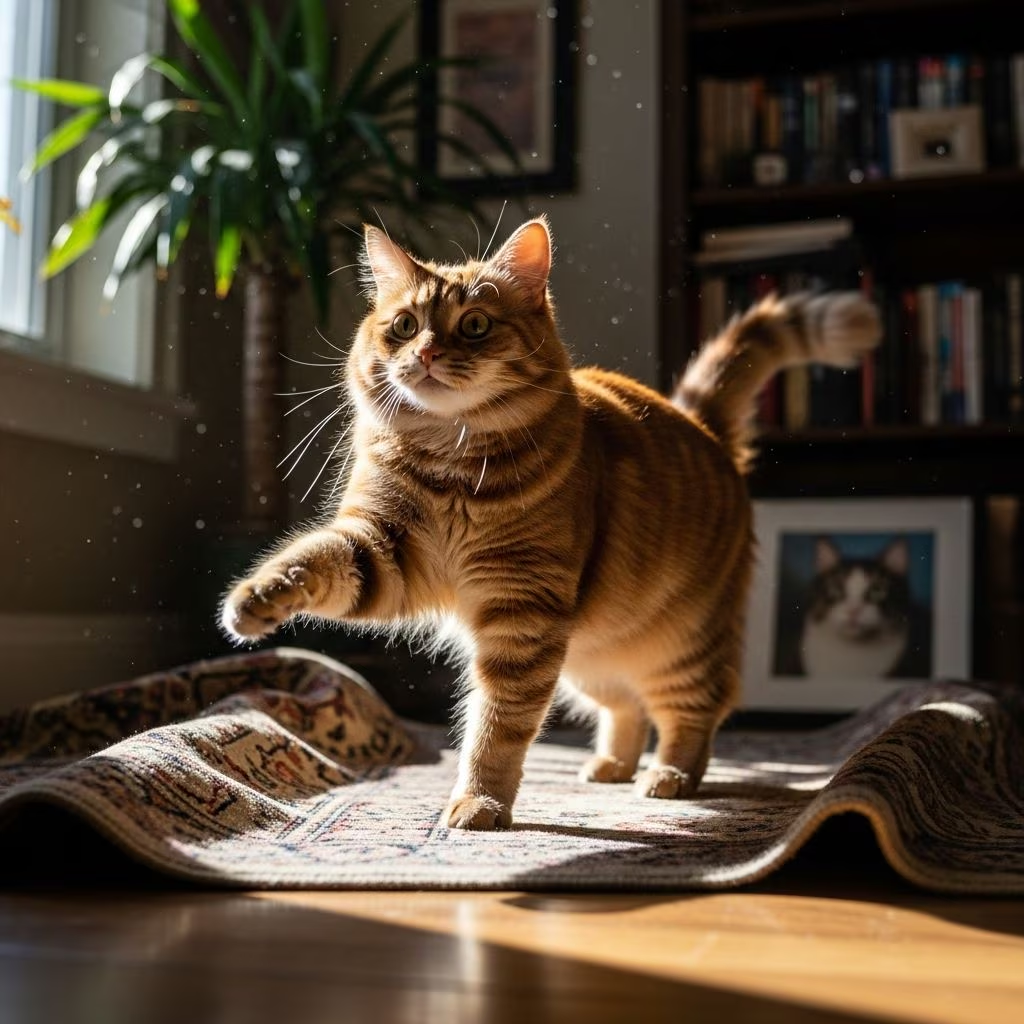
Your cat’s graceful movements define its charm, but witnessing sudden unsteadiness, staggering, or a drunken-like walk can spark alarm. This condition, known as ataxia, reflects impaired coordination due to nervous system disruptions. Prompt recognition of symptoms and causes is crucial for effective intervention.
Recognizing the Signs of Trouble in Your Cat’s Movement
Ataxia manifests through observable changes in how a cat navigates its environment. Owners often first notice their pet bumping into walls, swaying excessively, or collapsing unexpectedly. Key indicators include:
- Staggering or wide-based stance while walking
- Falling to one side or rolling involuntarily
- Head tilting persistently to one side
- Rapid, involuntary eye movements called nystagmus
- Tremors, especially in the head or limbs
- High-stepping or knuckling of paws
Cats with acute onset may also vomit from nausea or refuse food due to disorientation. Chronic cases allow adaptation, reducing some distress over time. These signs demand immediate veterinary evaluation to rule out life-threatening issues.
Understanding the Three Primary Types of Feline Ataxia
Ataxia categorizes by the affected nervous system region, each presenting unique patterns and origins. Differentiating them guides diagnosis.
Cerebellar Ataxia: Issues in the Brain’s Coordination Center
The cerebellum fine-tunes movement and posture. Damage here yields jerky motions, intention tremors worsening with purposeful acts, and a broad stance for stability. Causes span congenital defects like hypoplasia from feline panleukopenia virus exposure in utero, tumors, infections, or trauma. Kittens may show lifelong wobbliness, termed ‘wobbly kitten syndrome,’ yet lead fulfilling lives with adaptations.
Vestibular Ataxia: Balance Disruption from Ear or Brain Stem
This stems from inner ear or brainstem malfunctions, vital for equilibrium. Affected cats circle, tilt heads, flick eyes, and lean sideways. Common culprits include infections, idiopathic syndrome in seniors (resolving spontaneously), trauma, or inflammation. Ear discharge, odor, or scratching often accompanies infections.
Sensory Ataxia: Sensory Feedback Failures
Proprioceptive deficits from spinal cord or nerve problems cause uncertain foot placement, exaggerated steps, and dragging limbs. Tumors, discs herniation, injuries, or degenerative diseases contribute. Cats appear unaware of limb positions, crossing legs awkwardly.
Common Triggers Behind Sudden Onset Ataxia
Sudden wobbliness in healthy cats points to acute factors. Here’s a breakdown:
| Cause Category | Description | Associated Risks |
|---|---|---|
| Ear Infections | Middle/inner ear bacterial or yeast overgrowth leads to vertigo. | Head shaking, discharge, pain |
| Toxins/Medications | Flea/tick products, household chemicals, or human meds like metronidazole. | Rapid onset post-exposure |
| Idiopathic Vestibular Disease | No clear trigger, improves in days | |
| Trauma | Head/spinal injuries from falls or fights. | Swelling, bruising |
| Infections/Inflammation | FIV, FIP, encephalitis from fungi/ticks. | Fever, lethargy, seizures |
Metabolic imbalances like low blood sugar or thiamine deficiency, plus tumors, round out possibilities.
When to Rush Your Cat to the Vet
Not all wobbles resolve alone. Seek emergency care if ataxia pairs with seizures, paralysis, vomiting persistence, breathing issues, or trauma history. Even isolated staggering warrants a check within 24 hours, as delays worsen prognoses.
How Vets Diagnose the Root of Ataxia
Diagnosis begins with history-taking on symptom onset, exposures, and health background. A neurological exam assesses gait, reflexes, posture, and menace response. Further tests include:
- Bloodwork for infections, organ function, electrolytes
- Urinalysis for metabolic clues
- Imaging: X-rays, CT/MRI for tumors/trauma
- Cerebrospinal fluid tap for inflammation
- Ear cytology/swabs for infections
These pinpoint the ataxia type and cause, tailoring treatment.
Treatment Strategies Tailored to the Cause
Management hinges on the trigger:
- Infections: Antibiotics, antifungals, anti-inflammatories; ear cleaning.
- Toxins: Decontamination, supportive care, antidotes if available.
- Idiopathic: Anti-nausea meds (maropitant), motion sickness aids; most recover in 1-2 weeks.
- Trauma/Inflammation: Steroids, surgery if needed.
- Congenital: Supportive—physical therapy, ramps, soft diets.
- Tumors: Surgery, chemo, radiation; palliative for advanced cases.
Hospitalization aids severe cases with IV fluids and monitoring.
Supporting Your Cat’s Recovery at Home
Post-vet, create a safe haven: confine to one room, remove hazards, use low-sided litter boxes, and elevate food/water. Assist eating if needed, monitor for med side effects. Physical therapy enhances strength—gentle massages, balance exercises on cushions. Nutritional support counters deficiencies. Patience is key; some adapt remarkably.
Preventing Future Episodes of Unsteadiness
Proactive steps minimize risks:
- Vaccinate against panleukopenia and core diseases.
- Use vet-approved flea/tick preventives.
- Secure toxins, medications out of reach.
- Regular ear checks, especially in floppy-eared breeds.
- Annual wellness exams for early detection.
- Maintain ideal weight to ease joint/spinal stress.
FIV testing for outdoor cats aids prevention.
FAQs on Feline Ataxia
Q: Can ataxia resolve without treatment?
A: Yes, idiopathic vestibular cases often improve spontaneously in days to weeks.
Q: Is wobbly gait always serious?
A: No, but sudden changes require vet assessment to exclude grave issues like tumors.
Q: How to help a cat with congenital hypoplasia?
A: Provide stable environments, harnesses for safety, and enrichments for confidence-building.
Q: Does age influence ataxia likelihood?
A: Seniors face higher idiopathic and tumor risks; kittens more congenital.
Q: What home remedies soothe symptoms?
A: None replace vet care, but quiet spaces and anti-nausea from vets help.
Prognosis: Outlook for Cats with Ataxia
Outcomes vary: excellent for infections/toxins with swift care; guarded for cancers or advanced degeneration. Early intervention boosts survival and quality of life. Many cats regain near-normal function or adapt superbly. Monitor closely and follow-up as advised.
References
- My Pet Can’t Stand & Keeps Falling – Possible Causes & What To Do — American Pet Clinic. 2024-04-15. https://www.americanpetclinic.com/site/blog/2024/04/15/pet-cant-stand-keeps-falling
- My Pet Can’t Stand & Keeps Falling – Possible Causes & What to Do — Madison Park Vet. 2024-02-29. https://www.madisonparkvet.com/site/blog/2024/02/29/pet-falling
- Understanding Ataxia in Cats — Roundwood Pet Hospice. N/A. https://www.roundwoodpethospice.co.uk/post/understanding-ataxia-in-cats
- Cats with trouble walking: Understanding and treating ataxia — Vetster. N/A. https://vetster.com/en/wellness/cats-with-trouble-walking-understanding-and-treating-ataxia
- Ataxia in Cats: Causes and When To Worry — PetMD. N/A. https://www.petmd.com/cat/symptoms/ataxia-in-cats



