

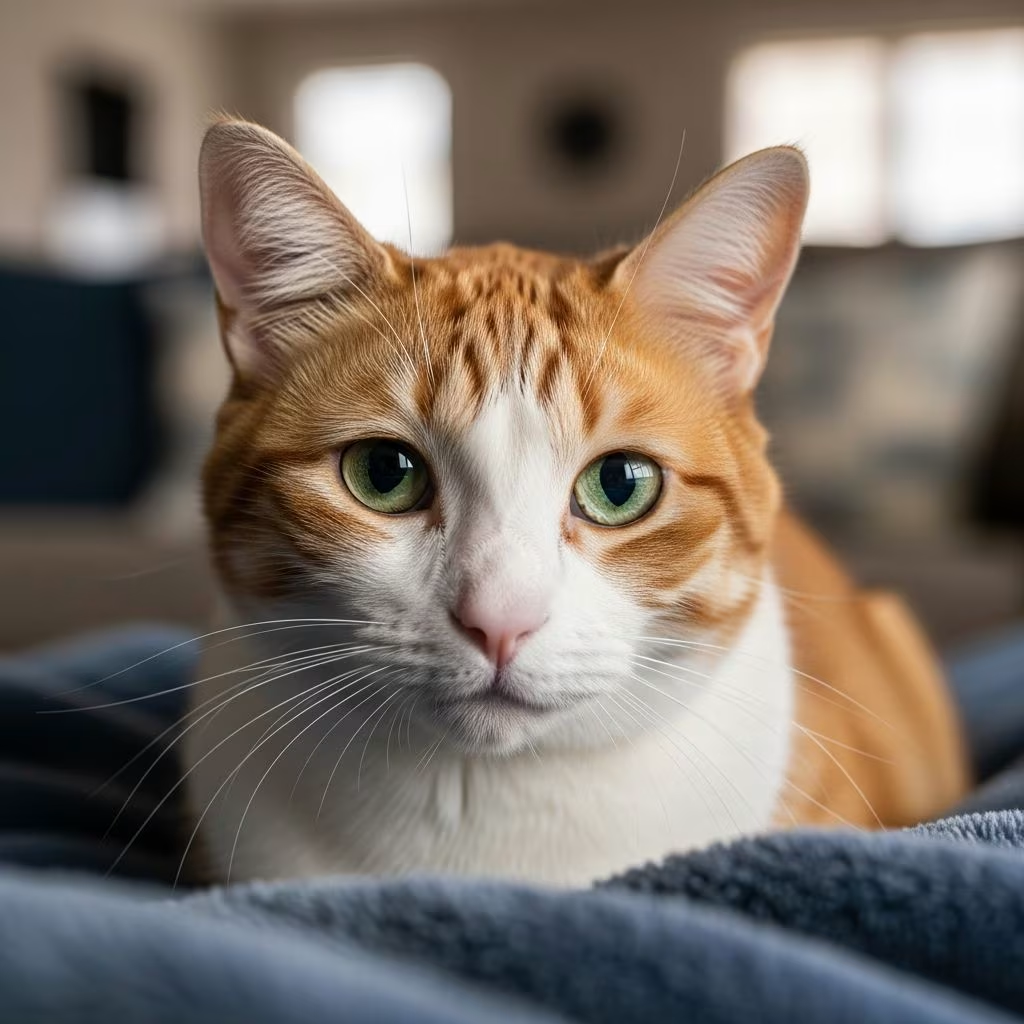
Strokes in cats disrupt blood flow to the brain, leading to rapid neurological deficits that demand immediate veterinary attention. These events, though less common in felines than dogs, can arise from clots or bleeds and manifest through distinct behavioral and physical changes.
Understanding the Mechanisms Behind Feline Strokes
Cats experience two primary stroke types: ischemic, where blood supply halts due to clots narrowing or blocking arteries, and hemorrhagic, involving vessel rupture and brain compression from bleeding. Ischemic events often stem from underlying conditions like heart disease or hyperthyroidism that promote clot formation. Hemorrhagic strokes may result from high blood pressure, trauma, or vessel malformations, pressing on delicate brain tissue.
Symptoms emerge abruptly, peaking within 24-72 hours, influenced by the affected brain region and damage extent. Unlike gradual diseases, strokes strike suddenly, distinguishing them from infections or tumors.
Key Indicators of a Stroke in Cats
Observe your cat closely for these hallmark signs, which can appear singly or in combination:
- Head tilt or turning: The cat holds its head cocked to one side or twists unnaturally.
- Circling and loss of balance: Persistent one-sided circling, stumbling, or falling during movement.
- Head pressing: Repeatedly pushing the head against walls or furniture, possibly indicating pain or disorientation.
- Weakness or paralysis: Especially on one body side, with dragging limbs or reluctance to stand.
- Abnormal eye movements: Nystagmus (rapid, involuntary eye flicking) or unequal pupil sizes signaling nerve disruption.
- Seizures and spasms: Convulsions, muscle twitching, or arched posture from neural overload.
- Altered consciousness: Disorientation, blindness, coma, or behavioral shifts like aggression or lethargy.
These symptoms mimic vestibular disease or ear infections, but their sudden onset points to vascular issues. Senior cats over 10 years face higher risks due to age-related vascular changes.
Risk Factors and Predisposing Conditions
Several health issues elevate stroke likelihood in cats:
| Condition | How It Contributes | Prevalence |
|---|---|---|
| Hypertension | Ruptures vessels, causing bleeds | Common in seniors |
| Heart disease (HCM) | Forms clots that embolize to brain | Leading cause |
| Hyperthyroidism | Increases clotting via hypercoagulability | Frequent in older cats |
| Kidney disease | Leads to hypertension and anemia | Systemic impact |
| Trauma or tumors | Direct vessel damage | Case-specific |
Maintaining routine check-ups helps detect these early, as many are manageable with medication.
Emergency Response: What to Do First
If stroke signs appear, prioritize stability: confine the cat to a quiet, padded area to prevent injury from falls or seizures. Avoid force-feeding or medicating without guidance. Transport promptly to a vet or emergency clinic—time-sensitive intervention improves prognosis.
Vets stabilize with oxygen, IV fluids, anti-seizure drugs like diazepam, or blood pressure meds. Never delay; untreated strokes can lead to permanent deficits or fatality.
Diagnostic Approaches for Confirmation
Veterinarians start with history and physical exams, noting symptom acuity. Bloodwork assesses clotting, organ function, and infections; urinalysis rules out metabolic causes. Advanced imaging—MRI or CT scans—visualizes clots, bleeds, or swelling definitively. Cerebrospinal fluid taps or D-dimer tests aid differentiation from inflammation.
These confirm stroke versus mimics like toxoplasmosis or idiopathic epilepsy, guiding targeted therapy.
Treatment Strategies and Supportive Care
Acute care focuses on stabilizing vitals and addressing causes:
- Clot busters or anticoagulants: Rarely used in cats due to bleeding risks, but aspirin derivatives may thin blood.
- Hypertension control: Amlodipine lowers pressure rapidly.
- Underlying disease management: Thyroid meds, heart drugs, or surgery for tumors.
- Supportive measures: Fluids, nutrition via tubes if needed, physical therapy for mobility.
Hospitalization lasts 24-72 hours for monitoring, with home care emphasizing physiotherapy like gentle massages and obstacle courses to rebuild coordination.
Recovery Timeline and Expectations
Many cats show improvement within days, with full or partial recovery in weeks. Factors influencing outcomes include stroke size, location, and prompt care. Some retain mild head tilts or weaknesses, but most resume normal lives. Recurrence risks necessitate lifelong monitoring.
Owners report 50-70% of cats regaining function with rehab, per clinical observations.
Prevention Tips for Long-Term Feline Brain Health
Proactive steps reduce risks:
- Annual senior wellness exams with blood pressure checks.
- Balanced diet low in salt to prevent hypertension.
- Control weight and manage chronic conditions early.
- Avoid toxins and trauma through safe environments.
- Monitor for heart murmurs via regular auscultation.
Early detection via at-home vigilance—watching gait, appetite, behavior—saves lives.
Frequently Asked Questions (FAQs)
Can young cats suffer strokes?
Yes, though rare; congenital issues or infections contribute more than in seniors.
Is head pressing always a stroke sign?
No, it indicates various encephalopathies; veterinary diagnosis is essential.
How long do stroke symptoms last?
Peak at 24 hours, improving over days with care; some persist.
Can cats fully recover from strokes?
Many do, especially with quick intervention and rehab.
What home remedies help post-stroke cats?
Supportive care like quiet spaces and physio; no unapproved meds.
Monitoring Your Cat Post-Stroke
Track progress with daily logs of mobility, appetite, and mentation. Gradual reintroduction to routines prevents setbacks. Consult neurologists for complex cases involving persistent seizures.
References
- Signs Your Cat May Have Had a Stroke — Carolina Veterinary Specialists. 2020-11-23. https://www.winston-salem.carolinavet.com/site/pet-health-advice-blog/2020/11/23/signs-of-strokes-in-cats
- Signs Your Cat May Have Had a Stroke — Ventura Emergency Vet. 2020-12-07. https://www.vmsg.com/site/blog/2020/12/07/signs-your-cat-may-had-stroke
- Cat Stroke: Causes, Symptoms & Treatment — Purina US. N/A. https://www.purina.com/articles/cat/health/symptoms/cat-stroke
- Symptoms, Causes, and Treatment for Stroke in Cats — PetMD. N/A. https://www.petmd.com/cat/conditions/neurological/signs-stroke-cats
- Cat Strokes: Symptoms, Diagnosis, and Treatment — GoodRx. N/A. https://www.goodrx.com/pet-health/cat/cat-stroke-symptoms
- Strokes in Cats — VCA Animal Hospitals. N/A. https://vcahospitals.com/know-your-pet/strokes-in-cats
- Understanding Strokes in Cats: What You Need to Know — MedVet. N/A. https://www.medvet.com/strokes-in-cats/



