

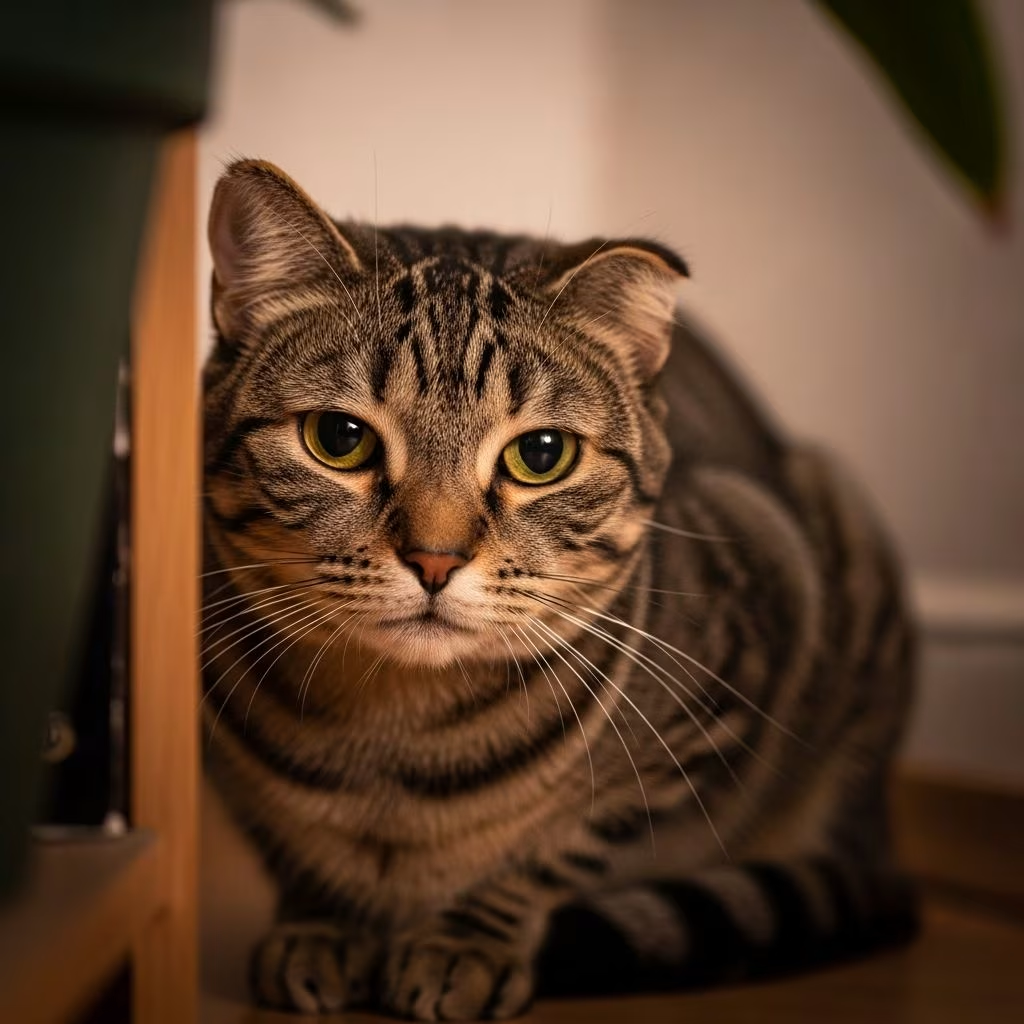
Cats often mask discomfort, making it essential for owners to identify early signs of stress. These signals can range from subtle behavioral shifts to noticeable physical changes, impacting your pet’s overall well-being. Understanding these cues allows for timely intervention, preventing escalation into chronic issues.
Understanding Feline Stress Responses
Stress in cats triggers a physiological reaction similar to fight-or-flight, releasing hormones like cortisol that affect behavior and health. While short-term stress aids survival, prolonged exposure leads to problems such as weakened immunity or urinary tract issues. Cats, as territorial animals, feel threatened by environmental disruptions, manifesting in various ways.
Recognizing these responses early promotes a healthier home environment. Factors influencing stress include routine changes or social dynamics, which we’ll explore further.
Key Behavioral Indicators of Stress
Behavioral changes often provide the first clues to a cat’s unease. Watch for deviations from normal patterns, as these can signal underlying tension.
- Hiding or Withdrawal: Cats seeking isolation in cabinets or under beds more frequently indicate a need for safety. This avoidance extends to familiar people or spaces.
- Increased Vocalization: Excessive meowing, yowling, or growling communicates distress. A usually quiet cat becoming chatty, or vice versa, warrants attention.
- Aggression Shifts: Sudden hissing, swatting, or biting at household members or other pets shows irritability from overstimulation.
- Restlessness or Pacing: Constant movement, inability to settle, or tail flicking reflects inner turmoil.
These behaviors cluster during stressful periods, such as moves or new additions to the home. Tracking patterns helps differentiate stress from playfulness.
Physical Manifestations to Monitor
Beyond actions, physical signs reveal stress’s toll on the body. These often accompany behavioral cues and may require veterinary evaluation.
- Overgrooming or Scratching: Compulsive licking leads to bald patches, sores, or irritated skin, especially on flanks or belly.
- Appetite Fluctuations: Refusal to eat or sudden overeating disrupts nutrition, sometimes causing weight loss or gain.
- Litter Box Avoidance: Urinating or defecating outside the box, often with blood-tinged urine, signals cystitis linked to stress.
- Digestive Upsets: Diarrhea, vomiting, or soft stools stem from gastrointestinal inflammation.
| Physical Sign | Possible Stress Link | Action Step |
|---|---|---|
| Overgrooming | Hair loss, skin issues | Consult vet for allergies |
| Appetite Loss | Weight changes | Offer tempting foods |
| Litter Issues | UTI symptoms | Clean box daily |
| GI Problems | Dehydration risk | Monitor hydration |
This table summarizes common physical signs, their stress connections, and initial responses. Persistent symptoms necessitate professional diagnosis to rule out medical causes.
Body Language Clues You Shouldn’t Ignore
Cats communicate volumes through posture and expressions. Subtle shifts in body language offer immediate insights into their emotional state.
- Dilated Pupils and Ear Position: Wide eyes with flattened ears signal fear or aggression.
- Tense Posture: Hunched backs, rippling skin, or tucked tails indicate discomfort.
- Tail and Whisker Changes: Rapid tail thrashing or whiskers pinned back shows agitation.
- Facial Twitches: Lip licking, swallowing, or nose twitching accompanies anxiety.
Observing these in context—paired with vocal or hiding behaviors—paints a clear picture. Relaxed cats exhibit forward ears, slow blinks, and loose tails.
Common Triggers Behind Cat Stress
Identifying stressors prevents recurrence. Cats thrive on predictability, so disruptions provoke anxiety.
- Environmental Changes: Moving homes, renovations, or rearranged furniture disorients territorial instincts.
- Social Dynamics: New pets, babies, or visitors overwhelm social limits.
- Routine Disruptions: Altered feeding, play, or owner schedules unsettle security.
- Health Factors: Pain from illness or injury amplifies stress responses.
- External Threats: Stray animals visible through windows or loud noises provoke defensive reactions.
Multi-cat homes amplify issues if resources like boxes or beds are insufficient. Gradual introductions mitigate risks.
Proven Strategies to Alleviate Feline Stress
Once identified, address stress through environmental and behavioral adjustments. Consistency yields results.
- Enrich the Environment: Provide vertical spaces, hiding spots, and scratching posts to fulfill instincts.
- Maintain Routines: Stick to feeding and play schedules for stability.
- Optimize Litter Setup: Offer one box per cat plus one, scooped daily, in quiet locations.
- Interactive Play: Daily sessions with toys reduce energy buildup and build bonds.
- Pheromone Diffusers: Products mimicking calming scents soothe nerves.[10]
Begin with minimal changes to avoid further upset. Track improvements over weeks.
Creating a Stress-Resistant Home for Multi-Cat Households
In homes with multiple cats, competition heightens tension. Resource allocation is key.
- Separate feeding stations prevent guarding.
- Elevated perches allow individual retreats.
- Scent familiarization eases new introductions.
Slow integration—scent swapping before visual contact—builds tolerance. Monitor dynamics post-change.
When to Consult a Veterinarian
Not all signs stem solely from stress; medical issues mimic them. Seek professional help if:
- Symptoms persist beyond 48 hours.
- Blood appears in urine or stool.
- Weight loss exceeds 10%.
- Aggression endangers safety.
Vets may recommend tests, diet changes, or anxiety medications alongside behavioral plans.
Frequently Asked Questions
Can stress cause long-term health problems in cats?
Yes, chronic stress weakens immunity, leading to cystitis, skin conditions, or obesity. Early management prevents this.
How quickly do stress relief methods work?
Environmental tweaks show effects in days; full calm may take weeks. Patience and consistency matter.
Is overgrooming always stress-related?
No, allergies or parasites can cause it, so veterinary checks are essential before assuming anxiety.
Do all cats show stress the same way?
No, personalities vary; some hide, others vocalize. Know your cat’s baseline.
Are pheromone products safe for all cats?
Generally yes, but consult vets for pregnant or ill cats.[10]
Long-Term Wellness for Stress-Free Cats
Preventive care fosters resilience. Annual checkups, balanced nutrition, and mental stimulation maintain equilibrium. Rotate toys, offer puzzle feeders, and provide window perches for natural surveillance. Your attentiveness transforms a stressed cat into a content companion, enhancing mutual joy.
References
- Signs of Stress in Cats and How You Can Help — Hill’s Pet Nutrition. 2023. https://www.hillspet.com/cat-care/healthcare/stress-in-cats
- Signs & Symptoms of a Stressed Cat — Purina US. 2024. https://www.purina.com/articles/cat/health/symptoms/is-my-cat-stressed
- Stress in Cats | Signs, Causes and Relief — Blue Cross. 2023. https://www.bluecross.org.uk/advice/cat/stress-in-cats
- 7 Signs Your Cat Is Stressed and Tips to Help Them — CareCredit. 2024. https://www.carecredit.com/well-u/pet-care/signs-cat-stress/
- 10 Signs Your Cat Is Stressed — Willis Vet. 2023. https://www.willisvet.com/blog/10-signs-your-cat-is-stressed
- Signs and steps for cat anxiety — Banfield Pet Hospital. 2024. https://www.banfield.com/Wellness-at-banfield/kitten-hub/cat-anxiety
- 8 Signs Your Cat Is Stressed — PetMD. 2024. https://www.petmd.com/cat/behavior/signs-cat-is-stressed



