

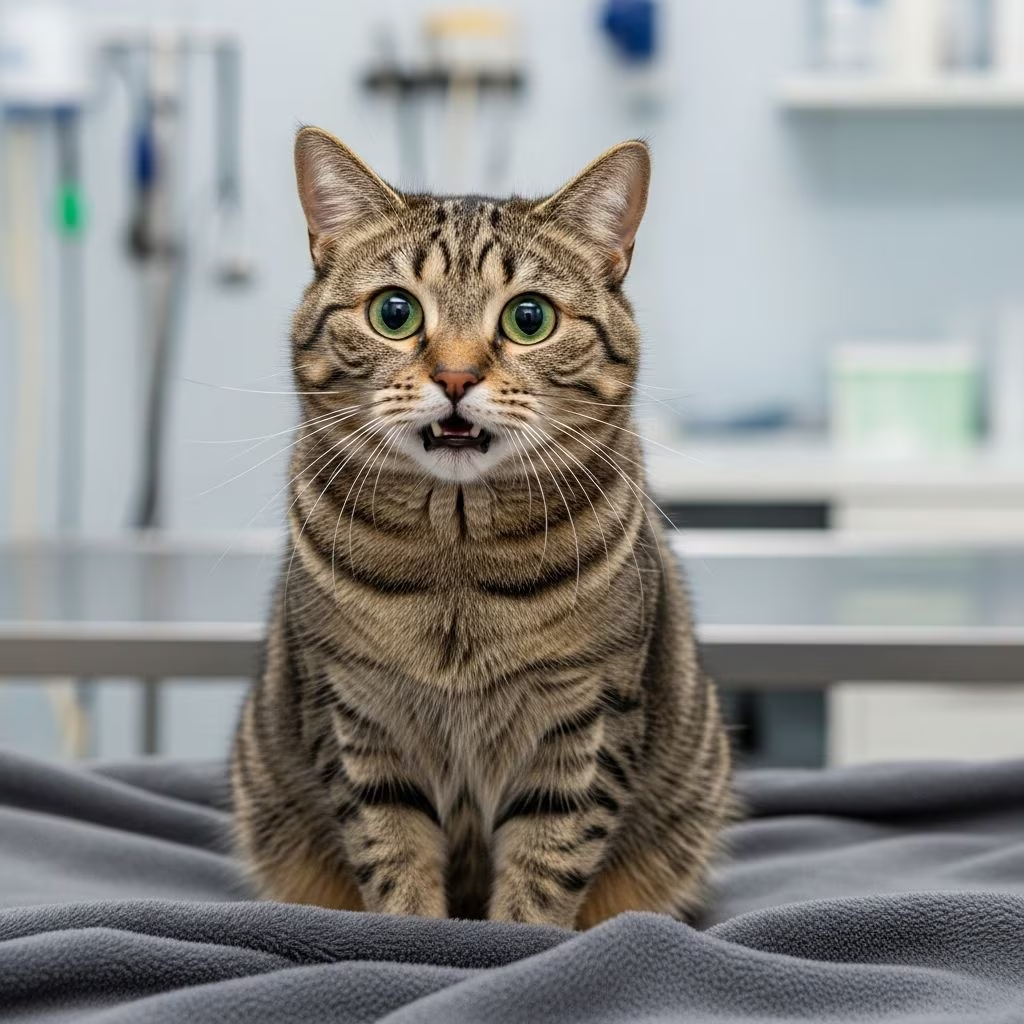
Your cat’s oral hygiene is crucial for their overall well-being, yet brushing their teeth often triggers stress. This guide explores the connection between cat stress and oral health, common dental problems, symptoms, and practical, low-stress strategies to maintain your feline’s pearly whites effectively.
Why Cats Get Stressed About Toothbrushing
Cats are inherently sensitive creatures, reacting strongly to changes in their environment. A vet visit, new sibling, altered litter box, thunder, or even toothbrushing can spike their stress levels. Toothbrushing feels invasive to cats, leading to resistance, scratching, or biting, which discourages owners from maintaining a consistent routine.
Stress during oral care isn’t just inconvenient; it creates a cycle where skipped brushing worsens dental issues, causing pain that further stresses the cat. Dr. Delgado emphasizes that unaddressed dental pain becomes a chronic stressor, prompting behaviors like hiding, aggression, or litter box avoidance.
The Link Between Poor Oral Hygiene and Cat Health Issues
Neglecting oral care due to stress leads to serious health complications. Plaque, a mix of food particles, saliva, and bacteria, forms on teeth and hardens into tartar (calculus), causing gingivitis—inflammation of the gums—and progressing to periodontitis, a severe infection destroying gum and bone support.
- Plaque and Tartar: Initial buildup leads to discoloration and bad breath.
- Gingivitis: Red, swollen gums that bleed easily.
- Periodontitis: Advanced stage with pocket formation, loose teeth, and chronic infection.
Bacteria from oral infections enter the bloodstream, becoming systemic and damaging organs like the heart, liver, kidneys, and even triggering cardiac stress or hypertrophic cardiomyopathy (HCM). Feline chronic gingivostomatitis (FCGS), a painful inflammation of gums, cheeks, and tongue, often accompanies these issues, particularly in breeds like Persians and Himalayans.
Common Signs of Dental Problems in Cats
Dental disease often progresses silently, but watch for these indicators:
| Symptom | Description |
|---|---|
| Bad breath (halitosis) | Persistent foul odor from bacterial overgrowth. |
| Excessive drooling | May contain blood; indicates pain or inflammation. |
| Difficulty eating | Slow chewing, preferring soft foods, or dropping food. |
| Visible tartar | Brown/yellow buildup on teeth. |
| Red, swollen gums | Bleeding or receding gums. |
| Loose or missing teeth | Advanced periodontitis or tooth resorption. |
| Pawing at mouth | Sign of discomfort or pain. |
| Weight loss | Due to reduced appetite from pain. |
| Poor grooming | Cat appears unkempt from discomfort. |
Tooth resorption, affecting up to 75% of cats over five, involves the body breaking down tooth structure below the gumline, causing severe pain often only detectable via X-ray. Even without visible signs, subclinical disease impacts health.
Risks of Untreated Dental Disease
Beyond oral pain, untreated issues lead to tooth loss, malnutrition, and organ damage. Bacteria spread systemically, exacerbating conditions like kidney disease or heart problems. FCGS may require tooth extractions or surgery in severe cases. Early intervention prevents these escalations.
Regular vet dental checkups are essential; home care cannot reverse advanced periodontal disease. Professional cleanings under anesthesia remove tartar below the gumline and address resorption or endodontic disease from tooth trauma.
Stress-Free Strategies for Cat Dental Care
Making oral care tolerable requires patience and multi-angle approaches. Start slow to build positive associations.
Introduce Toothpaste Gradually
Purchase cat-specific toothpaste in flavors like poultry or fish—never human toothpaste, which is toxic due to fluoride and xylitol. Test flavors by smearing a dab on your finger as a treat. The enticing taste encourages acceptance.
- Brands vary; try multiple until finding a favorite.
- Progress to Q-tip or finger rubbing before brushing.
Choosing the Right Toothbrush
Use pet-sized brushes: finger brushes, dual-ended cat toothbrushes, or gauze wraps. Avoid human brushes, too large and abrasive. Brush outer surfaces in circular motions, focusing on molars where plaque accumulates. Aim for 30 seconds per side, 2-3 times weekly.
Incorporate Dental Treats and Additives
Complement brushing with:
- Dental treats: Chews with enzymes or textures scraping plaque (e.g., VOHC-approved).
- Water additives: Antimicrobial solutions reducing bacteria.
- Dental diets: Kibble promoting mechanical cleaning.
Dr. Delgado advocates a multi-faceted routine: “Tackle from as many angles as possible.”
Training Tips for Stress Reduction
- Desensitize: Touch mouth gently during play, rewarding calm behavior.
- Short sessions: 10-15 seconds initially, building duration.
- Positive reinforcement: Treats post-session.
- Calm environment: Quiet time, pheromone diffusers like Feliway.
- Consistency: Same time daily for routine.
If resistance persists, consult a vet for anxiety aids or professional cleanings.
Professional Vet Care for Optimal Oral Health
Annual exams detect issues early. Full-mouth radiographs identify hidden resorption or abscesses. Treatments include scaling, polishing, extractions, or root canals for endodontic disease. Follow vet recommendations for home care tailored to your cat’s needs.
Frequently Asked Questions (FAQs)
How often should I brush my cat’s teeth?
Ideally daily, but 2-3 times weekly with treats/additives suffices for many cats.
Can dental treats replace brushing?
No, they supplement but don’t fully replace mechanical brushing or professional care.
What if my cat hates toothbrushing?
Use finger/Q-tip intro, dental gels, or vet-prescribed options. Persistence with positives helps; force worsens stress.
Is bad breath always dental disease?
Often yes, but rule out diet or GI issues with vet exam.
At what age do dental issues start?
Plaque from kittenhood; seniors prone to resorption. Checkups from age 1.
Does stress really affect oral health?
Yes, stress skips routines, worsening pain/disease cycle impacting systemic health.
Prioritizing stress-free oral care prevents pain, promotes longevity. Consult your vet for personalized plans.
References
- 2025 FelineVMA Feline Oral Health and Dental Care Guidelines — PMC/NCBI. 2025. https://pmc.ncbi.nlm.nih.gov/articles/PMC12665832/
- What Every Owner Should Know About a Cat’s Dental Hygiene — Pet Doctor X. 2024-01-21. https://www.petdoctorx.com/site/blog/2024/01/21/cat-dental-health
- What Every Owner Should Know About Cat Dental Hygiene — ACVC Grayson. 2024-01-15. https://www.acvcgrayson.com/site/blog/2024/01/15/cat-dental-health
- Pet Dental Care — American Veterinary Medical Association (AVMA). Recent. https://www.avma.org/resources-tools/pet-owners/petcare/pet-dental-care
- Dental Pain in Cats — VCA Animal Hospitals. Recent. https://vcahospitals.com/know-your-pet/dental-pain-in-cats
- How Cat Dental Health Affects Overall Well-being — Pure Paws Vet. Recent. https://www.purepawsvet.com/how-cat-dental-health-affects-overall-well-being/



