

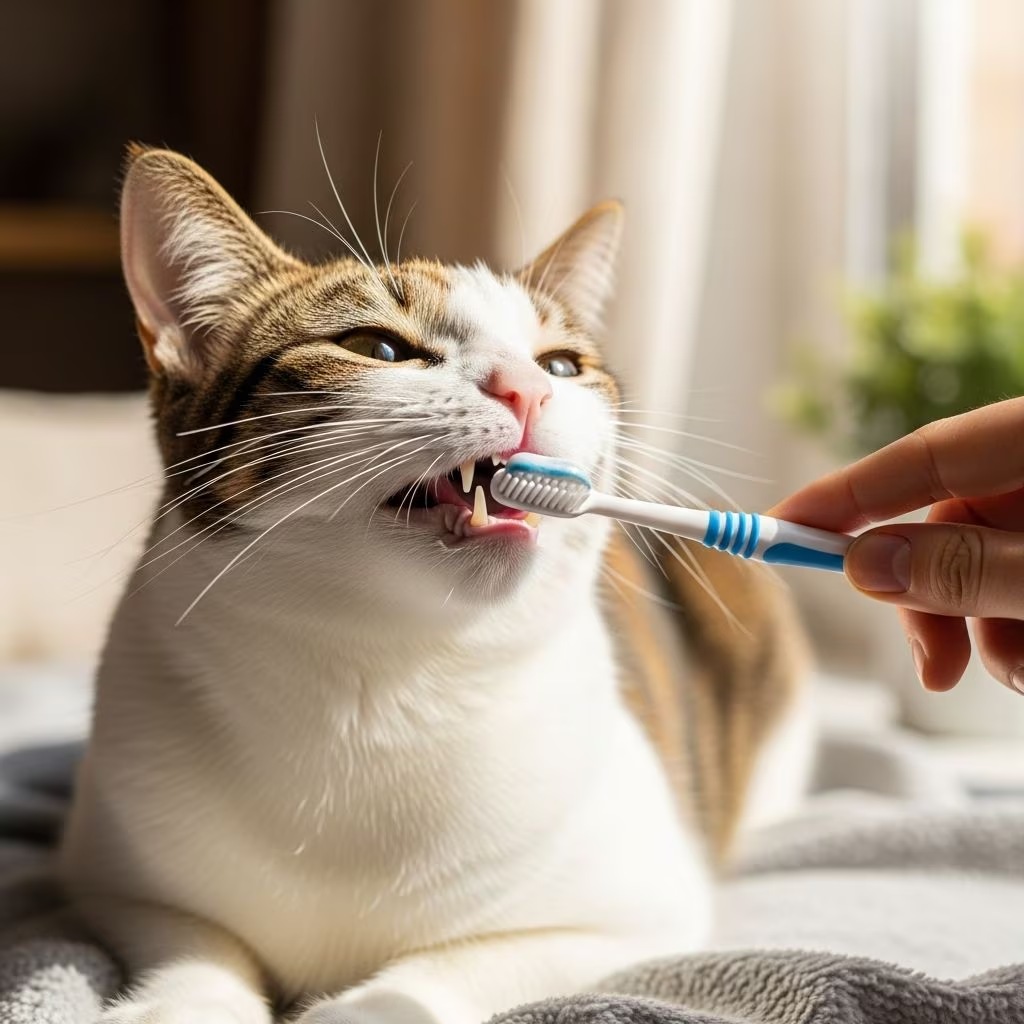
Your cat’s oral hygiene is essential to their health. Take things slow and figure out what works best for your kitty’s pearly whites.
Cats are sensitive creatures. A trip to the vet? Stress. New feline sibling? Stress. Different litter box? Stress. Thunder? Stress. So, it’s no surprise that toothbrushing is stressful for cats, too. The good news is that with patience, the right tools, and a multi-angle approach, you can make oral care less daunting for both you and your feline friend. Poor oral hygiene leads to plaque buildup, gingivitis, periodontitis, and even systemic issues affecting organs like the heart, liver, and kidneys.
Why Oral Health Matters for Cats
Neglecting your cat’s teeth can have far-reaching consequences. Dental plaque—formed from food particles, saliva, and bacteria—hardens into tartar, causing gingivitis (gum inflammation) and progressing to periodontal disease. This painful condition erodes gums and bone supporting teeth, leading to loose teeth and infections that spread via the bloodstream.
Feline-specific issues like tooth resorption affect up to 75% of cats over age 5, where the body breaks down tooth structure below the gumline, causing severe pain often undetectable without X-rays. Feline chronic gingivostomatitis (FCGS), or stomatitis, involves painful inflammation of gums, cheeks, and tongue, sometimes requiring tooth extractions. Even without visible signs, bacteria from the mouth can impact overall health, reducing lifespan if untreated.
Symptoms of dental problems include bad breath (halitosis), drooling (possibly bloody), weight loss, difficulty eating, pawing at the mouth, red/swollen gums, visible tartar, loose/missing teeth, and poor grooming. Cats in pain may hide, bite, avoid the litter box, or become irritable, exacerbating stress.
Signs Your Cat Needs Dental Attention
Early detection prevents progression. Watch for these common indicators:
- Bad breath (halitosis): Persistent foul odor signals bacterial overgrowth.
- Excessive drooling: May contain blood from inflamed gums.
- Pawing at mouth or teeth: Indicates discomfort or pain.
- Difficulty eating: Slow chewing, preferring soft foods, or dropping food.
- Visible tartar or discoloration: Yellow/brown buildup on teeth.
- Red, swollen, or bleeding gums: Hallmarks of gingivitis or periodontitis.
- Loose or missing teeth: Advanced disease sign.
- Weight loss or poor grooming: Due to pain affecting appetite and self-care.
If you notice any of these, schedule a vet visit immediately. Regular checkups catch issues early, as home care alone can’t reverse advanced periodontal disease.
Stress-Free Toothbrushing Techniques
Brushing daily is ideal but start slow to build positive associations. Never use human toothpaste—it’s toxic to cats due to ingredients like xylitol and fluoride.
- Choose the right toothpaste: Purchase pet-specific enzymatic toothpastes in flavors like poultry, beef, or fish. Test flavors by squeezing a dab on your finger as a treat. Your cat should eagerly approach the tube.
- Finger brushing intro: Apply a small amount to your finger or Q-tip. Gently rub along gums and teeth outer surfaces. Reward with praise or treats.
- Upgrade to a brush: Use a pet toothbrush (soft-bristled, angled for cat mouths) or finger cot. Brush outer surfaces in circular motions, focusing on back molars where plaque accumulates. Aim for 30 seconds per side, 2-3 times weekly once tolerated.
- Keep sessions short and positive: End before stress builds. Use a calm voice, familiar room, and high-value rewards. Consistency reduces resistance over time.
Pro tip: Brush after meals when mouths are clean. If your cat resists, don’t force it—stress can worsen health by increasing cortisol, which suppresses immunity and grooming.
Alternative Oral Care Options
Not every cat tolerates brushing. Layer these for comprehensive care:
- Dental treats and chews: Abrasive textures reduce plaque. Look for Veterinary Oral Health Council (VOHC)-approved products.
- Water additives: Enzymatic formulas target bacteria in drinking water. Easy to implement daily.
- Dental diets: Specialized kibble scrubs teeth during chewing.
- Wipes or gels: Quick-apply options for gums and teeth.
Dr. Delgado emphasizes a multi-modal approach: “Tackle the problem from as many angles as possible.” Combine methods for optimal results even if brushing skips days.
| Method | Pros | Cons | Frequency |
|---|---|---|---|
| Toothbrushing | Most effective plaque removal | High stress potential | Daily/every other day |
| Dental Treats | Tasty, encourages chewing | Calorie-dense | Daily |
| Water Additives | Passive, no handling | Variable efficacy | Continuous |
| Dental Diet | Integrates with meals | Costly long-term | Daily meals |
Veterinary Dental Care: Non-Negotiable
Home care prevents but doesn’t cure. Annual vet dental exams (more frequent for seniors) include scaling, polishing, and X-rays to detect hidden issues like endodontic disease or trauma. Under anesthesia, vets remove tartar below gumlines and treat resorption or stomatitis.
Untreated dental pain causes chronic stress, appetite loss, and organ damage. Bacteria from infected mouths enter the bloodstream, risking endocarditis, hepatitis, or nephritis. Tooth trauma, common from fights or falls, leads to pulp exposure and necrosis if ignored.
Reducing Overall Stress for Better Oral Health
Stress indirectly harms teeth: Anxious cats groom less (reducing natural cleansing), eat poorly, or develop ulcers. Create a calm environment with:
- Consistent routines and hiding spots.
- Pheromone diffusers (e.g., Feliway).
- Enrichment toys to lower cortisol.
- Avoiding triggers like loud noises.
Pain-free cats are happier groomers and eaters, supporting oral health.
Frequently Asked Questions (FAQs)
Q: How often should I brush my cat’s teeth?
A: Ideally daily, but every other day is effective. Start slow to avoid stress.
Q: Can dental treats replace brushing?
A: No, but they complement it. Use VOHC-approved ones for proven benefits.
Q: What if my cat hates toothbrushing?
A: Try finger/Q-tip first, alternate methods like additives, and consult your vet.
Q: Is bad breath always a dental issue?
A: Often yes, but rule out diet or GI problems with a vet exam.
Q: When does my cat need professional dental cleaning?
A: Annually or if signs appear. X-rays detect hidden resorption or infection.
Q: Can stress cause dental problems?
A: Indirectly—stressed cats neglect grooming and eating, worsening plaque buildup.
References
- How to Make Your Cat’s Oral Care as Stress-Free as Possible — Kinship. 2024. https://www.kinship.com/cat-health/cat-stress-oral-health
- What Every Owner Should Know About a Cat’s Dental Hygiene — Pet Doctor X. 2024-01-21. https://www.petdoctorx.com/site/blog/2024/01/21/cat-dental-health
- What Every Owner Should Know About Cat Dental Hygiene — ACVC Grayson. 2024-01-15. https://www.acvcgrayson.com/site/blog/2024/01/15/cat-dental-health
- 2025 FelineVMA feline oral health and dental care guidelines — PMC (NCBI). 2025. https://pmc.ncbi.nlm.nih.gov/articles/PMC12665832/
- The Serious Health Risks of Untreated Pet Dental Disease — Houston Pet Dentals. N/A. https://houstonpetdentals.com/blog/untreated-pet-dental-disease/



