

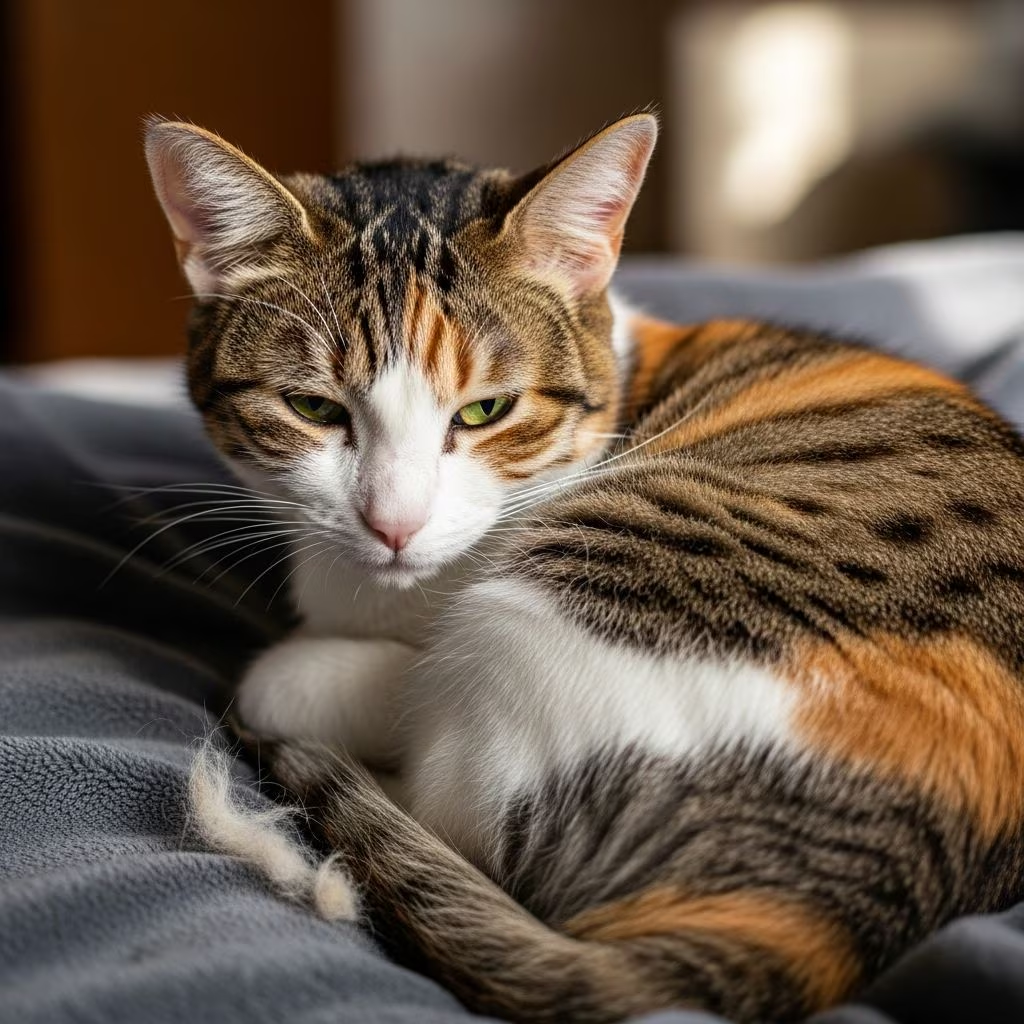
Psychogenic alopecia, often manifesting as stress-related hair loss in cats, arises when felines excessively groom due to emotional distress, leading to bald patches primarily on accessible body areas.
Recognizing the Signs of Overgrooming
Cats naturally dedicate a significant portion of their day to grooming, typically 5-25% of waking hours, as a means of hygiene and comfort. However, when this behavior escalates into compulsive overgrooming, it results in noticeable hair thinning or complete baldness. Key indicators include symmetrical bald spots on the belly, inner thighs, flanks, chest, or legs—regions the cat can easily reach with its tongue.
- Bald patches: Starting on the abdomen and spreading to legs or sides.
- Visible overgrooming: Excessive licking, chewing, or pulling at fur, sometimes hidden when owners are absent.
- Skin changes: Redness, irritation, scabs, or even infections from repeated trauma.
- Behavioral cues: Increased irritability, restlessness, or sudden bursts of frantic grooming.
These symptoms distinguish psychogenic alopecia from normal maintenance, as the grooming loses its functional purpose and dominates the cat’s routine.
Primary Triggers Behind Feline Overgrooming
At its core, psychogenic alopecia stems from chronic stress or anxiety, transforming grooming—a natural self-soothing mechanism—into a maladaptive habit. Even after stressors subside, the behavior may persist, suggesting a compulsive element.
Common environmental and emotional triggers include:
- New household changes, such as moving, renovations, or rearranged furniture.
- Introduction of new pets, people, or conflicts with existing animals.
- Boredom from insufficient mental or physical stimulation, especially in indoor-only cats.
- Resource scarcity, like limited litter boxes, food stations, or resting spots leading to territorial disputes.
- Social isolation or overcrowding in multi-cat homes.
Genetic predispositions play a role, with purebred Oriental breeds and females showing higher susceptibility. Deprivation of natural elements, such as sunlight for indoor cats, may exacerbate vulnerability.
Ruling Out Medical Causes First
A critical step in addressing hair loss is excluding underlying health issues, as studies reveal that up to 76% of presumed psychogenic cases actually involve pruritus from medical origins. Veterinary diagnostics must precede behavioral labels to avoid misdiagnosis.
| Category | Common Conditions | Typical Presentation |
|---|---|---|
| Parasites | Fleas, mites, lice | Itchy lower back, tail base; patchy loss. |
| Allergies | Flea, food, environmental | Symmetrical baldness, rashes. |
| Hormonal | Hyperthyroidism, Cushing’s | Thinning coat, weight loss, increased thirst. |
| Infections | Ringworm, bacterial | Circular patches, scaling. |
| Other | Diabetes, autoimmune | Generalized loss, systemic signs. |
A thorough exam involves skin scrapes, flea combing, allergy tests, bloodwork for endocrine disorders, and fungal cultures. Hair loss patterns limited to lickable areas support a behavioral diagnosis only after negatives.
Diagnostic Process for Accurate Identification
Veterinarians begin with a detailed history: onset timing, household changes, diet, and grooming observations. Physical exams check for self-trauma confined to accessible zones versus widespread issues.
- History and observation: Note triggers and pattern.
- Skin evaluation: Biopsy if needed to rule out Demodex or neoplasia.
- Parasite screening: Recommend broad-spectrum preventives regardless.
- Trials: Flea control, hypoallergenic diet for 8-12 weeks.
- Behavioral confirmation: Video evidence of overgrooming post-medical clearance.
Prospective research underscores caution: only 10% of cases are purely psychogenic, with 14% mixed.
Effective Management Strategies
Treatment targets both root causes and symptoms through multimodal approaches. Environmental enrichment forms the foundation, reducing stress triggers.
- Enrich the environment: Provide scratching posts, interactive toys, window perches, and pheromone diffusers like Feliway.
- Resource optimization: One litter box per cat plus one extra; separate feeding stations.
- Exercise routines: Scheduled play sessions to combat boredom.
- Pharmacological aids: Anti-anxiety meds like fluoxetine or clomipramine for severe cases, under vet supervision.
Monitor progress with grooming logs and photos. Most cats improve within weeks of consistent changes.
Prevention Tips for Long-Term Coat Health
Proactive measures minimize risks in susceptible cats. Maintain stable routines, gradual introductions for new pets, and regular vet check-ups.
- Rotate toys weekly to sustain interest.
- Ensure 15-20 minutes daily interaction.
- Track flea preventives year-round.
- Address multi-cat tensions early with vertical spaces.
Indoor cats benefit from safe outdoor access via enclosures or sunlight-mimicking lights.
Frequently Asked Questions (FAQs)
Is psychogenic alopecia dangerous for my cat?
Generally not life-threatening, but untreated overgrooming risks infections or open wounds.
How long does recovery take?
With proper intervention, fur regrowth appears in 4-8 weeks; behavioral change may take longer.
Can diet help?
Rule out allergies first; omega-3 supplements support skin health post-diagnosis.
Does neutering prevent it?
No direct link, but reduces some stress-related conflicts.
When to see a vet urgently?
If baldness spreads rapidly, skin breaks, or appetite changes occur.
Psychogenic alopecia highlights the profound impact of emotional well-being on physical health in cats, underscoring the need for holistic care.
References
- Psychogenic alopecia – Wikipedia — Wikipedia. 2023-10-15. https://en.wikipedia.org/wiki/Psychogenic_alopecia
- Alopecia in Cats – Just Cats Clinic — Just Cats Clinic. 2024-01-12. https://justcatsclinic.com/alopecia-in-cats/
- Psychogenic Alopecia in Cats — NAVC Clinician’s Brief. 2012-06-01. https://assets.ctfassets.net/4dmg3l1sxd6g/6ijSJZjqInYlH2xQgZA4v3/bc3a604ba6a4dd497dd1575fc11d7003/psychogenic-alopecia-in-cats-6726-article.pdf
- Stress-Related Overgrooming in Cats — AKC Pet Insurance. 2023-05-20. https://www.akcpetinsurance.com/blog/stress-related-overgrooming-in-cats
- Cat Pulling Hair Out — Wakefield Pet Vet. 2024-02-10. https://wakefieldpetvet.com/blog/cat-pulling-hair-out/
- Alopecia in Cats: What It Is and Why Your Cat Is Losing Hair — PetMD. 2023-11-08. https://www.petmd.com/cat/conditions/skin/alopecia-cats-what-it-and-why-your-cat-losing-hair
- Cat Behavior Problems – Compulsive Disorders in Cats — VCA Animal Hospitals. 2023-09-15. https://vcahospitals.com/know-your-pet/cat-behavior-problems-compulsive-disorders-in-cats



