Cat Straining to Urinate or Defecate: Causes and Care
Understanding why your cat strains in the litter box and when to seek veterinary care.
Understanding Cat Straining: Urinary vs. Fecal Issues
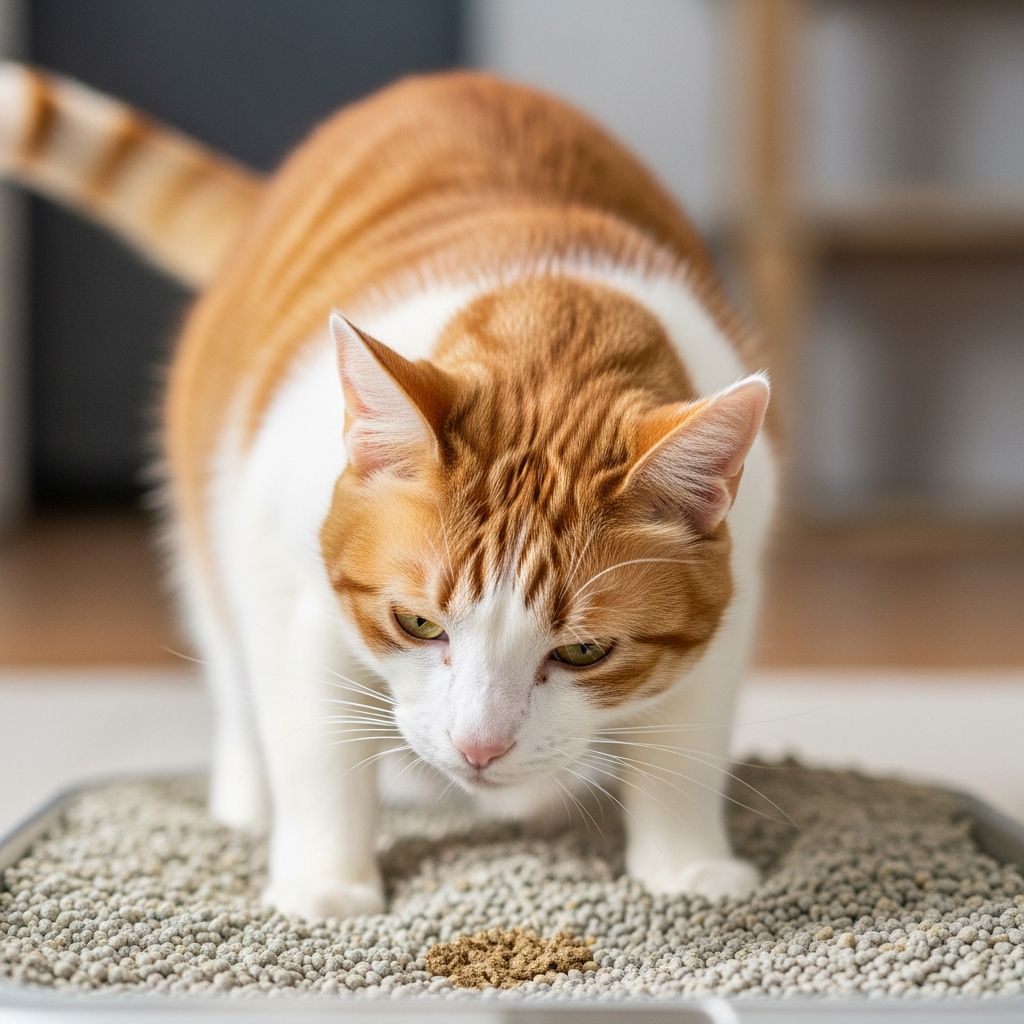
Finding your cat spending excessive time in the litter box can be concerning for any pet owner. Straining in the litter box is a symptom that requires attention, but understanding whether your cat is struggling with urination or defecation is the first step toward getting proper help. While both conditions can look similar, they have different causes, treatments, and urgency levels.
When cats strain to urinate or defecate, they may spend more time in the litter box than usual, assume an unusual posture, produce little to no output, and sometimes cry out in discomfort. The key to addressing your cat’s health concern is recognizing which bodily function is affected and understanding the underlying causes. Straining in the litter box can range from a minor inconvenience to a life-threatening emergency, depending on the specific condition affecting your cat.
What Is Straining to Urinate (Stranguria)?
Straining to urinate, medically known as stranguria, occurs when cats have difficulty passing urine despite frequent attempts. This condition indicates some degree of disruption in the normal flow of urine through the urinary tract. Cats experiencing stranguria may make multiple trips to the litter box throughout the day, posture to urinate with visible pushing and straining, and sometimes cry out in pain or distress.
The severity of stranguria varies considerably. Some cats may strain intermittently with normal urine output, while others may strain repeatedly with little to no urine production. Additionally, urine character may appear normal or contain blood, which can indicate inflammation or injury within the urinary tract. It is crucial to differentiate between productive straining (where some urine is passed) and unproductive straining (where no urine is produced), as unproductive straining with no output is a medical emergency.
Common Causes of Urinary Straining
Several conditions can cause cats to strain when urinating. Understanding these causes helps veterinarians provide targeted treatment:
- Feline Lower Urinary Tract Disease (FLUTD): This is one of the most common causes of urinary straining in cats. FLUTD encompasses several conditions affecting the bladder and urethra, often involving inflammation and pain during urination.
- Uroliths (Urinary Stones): Minerals naturally present in urine can clump together and form crystals or stones in the bladder. These stones irritate the bladder lining or urethra, causing painful urination and straining.
- Urinary Tract Infections (UTIs): Bacterial infections in the bladder or urethra can trigger straining, frequency, and pain during urination.
- Feline Idiopathic Cystitis (FIC): This condition involves bladder inflammation with no identifiable cause and is often linked to stress.
- Urethral Obstruction: In severe cases, the urethra becomes completely blocked by stones, mineral buildup, or tissue plugs, preventing urine passage entirely.
What Is Straining to Defecate?
Straining to defecate refers to difficulty or discomfort during bowel movements. Constipation in cats is defined as infrequent or difficult defecation, which may involve passing hard stools, uncomfortable pellets, or producing no feces at all. Like urinary straining, fecal straining can appear dramatic and concerning, with cats spending extended periods in the litter box and assuming awkward postures.
It is important to differentiate between urinary and fecal straining because they require different treatments. Straining in the litter box is more commonly a urinary problem in cats, but careful observation of your cat’s behavior and output can help determine which system is affected.
Symptoms of Constipation
Constipation in cats presents with several recognizable symptoms beyond simple straining:
- Little to no fecal production while attempting to defecate
- Frequent visits to the litter box with a sense of urgency
- Vomiting, often from feeling overly full due to excess feces in the digestive tract
- Decreased appetite and reluctance to eat due to discomfort and nausea
- Abdominal pain caused by excessive stool, gas, and intestinal distension
- Decreased energy and lethargy
- Decreased interest in interacting with family members
If constipation continues untreated, it can progress to obstipation (painful defecation) or even megacolon, which is the advanced stage of chronic constipation that often becomes difficult to manage medically.
Common Causes of Fecal Straining
Several factors can lead to constipation and straining in cats:
- Insufficient Water Intake: Inadequate hydration is a primary cause of constipation. Cats may not drink enough water due to mobility issues, mouth pain, or digestive discomfort, or they may have negative reactions to their water dish.
- Underlying Diseases: Acute and chronic illnesses such as kidney disease, diabetes, and hyperthyroidism can contribute to constipation.
- Intestinal Obstruction: Foreign objects, toys, or other non-food items can block the intestines, preventing normal fecal passage and creating a medical emergency.
- Diet and Nutrition: Low-fiber diets or poor-quality food can contribute to digestive issues and straining.
- Litter Box Problems: Issues with litter box cleanliness, location, or type can discourage cats from using them properly.
- Age and Mobility: Older cats or those with mobility issues may have difficulty accessing the litter box or assuming proper postures for defecation.
Recognizing Emergency Situations
While some cases of straining resolve with minor interventions, certain situations require immediate emergency veterinary care. Knowing the difference can be lifesaving for your cat.
Urinary Emergencies
The most critical urinary emergency occurs when a cat strains to urinate but produces little to no urine at all. This unproductive straining may indicate a urethral blockage or plug, a condition where the urethra becomes completely obstructed. When this happens, urine cannot drain from the bladder, causing it to become dangerously distended and toxic. If left untreated, a complete urinary blockage can be fatal within hours to days.
Emergency warning signs for urinary problems include:
- Repeated, distressed attempts to use the litter box with little to no results
- Crying out in pain while attempting to urinate
- Increased lethargy and depression
- A firm and painful abdomen when touched due to bladder enlargement
- Vomiting
- Pacing anxiously or restlessness
If you observe any of these signs, call an emergency veterinarian immediately. Do not wait for your regular veterinarian’s office to open.
Fecal Emergencies
While less immediately life-threatening than urinary blockages, severe constipation with suspected obstruction requires urgent evaluation. Symptoms suggesting a fecal emergency include:
- Persistent vomiting
- Severe lethargy and refusal to move
- Complete refusal to eat
- Visibly swollen belly
- Refusal to lie down due to abdominal pain
- Fever or abnormally low body temperature
When to Call Your Veterinarian
All cases of straining in the litter box should be evaluated by a veterinarian, as each underlying condition can become serious or even deadly if left untreated. Contact your vet immediately if your cat shows any of the emergency signs mentioned above. For non-emergency situations, schedule a veterinary appointment within 24 to 48 hours if you notice straining, especially if accompanied by blood in urine or feces, decreased appetite, vomiting, or behavioral changes.
When you call your veterinarian, clearly explain your cat’s symptoms and mention any emergency warning signs you have observed. Always call before bringing your cat in, allowing the veterinary team to prepare for your arrival and provide guidance on whether immediate emergency care is necessary.
Diagnostic Approaches
Your veterinarian will employ several diagnostic tools to determine the underlying cause of your cat’s straining. The diagnostic process typically includes a physical examination, urinalysis or urine culture for urinary problems, and diagnostic imaging such as X-rays or ultrasound. Your vet may also perform blood tests to screen for underlying systemic diseases that could contribute to straining.
Accurate diagnosis is essential because treatment varies significantly depending on the underlying cause and ranges from antibiotics for infections to surgical intervention for obstructions. The prognosis for cats with straining also varies widely based on the specific condition, how quickly treatment begins, and your cat’s overall health status.
Prevention and Management Strategies
Preventing Urinary Issues
While not all urinary conditions can be prevented, several strategies can reduce the risk of FLUTD and related problems:
- Increase Water Consumption: Encourage your cat to drink more by using a water fountain, placing water bowls in multiple locations, or switching to canned food, which is approximately 80 percent water.
- Manage Stress: Provide a calm environment with hiding spots, perches, and enrichment activities, as stress plays a significant role in triggering urinary issues.
- Maintain Healthy Weight: Obesity can contribute to urinary problems, so ensure your cat receives appropriate nutrition and exercise.
- Provide Adequate Litter Boxes: Have at least one litter box per cat plus one extra, placed in quiet, accessible locations.
Preventing Constipation
To help prevent constipation and fecal straining, consider these management strategies:
- Ensure Proper Hydration: Always provide fresh, clean water. Address any issues with your cat’s water dish or consider a water fountain.
- Optimize Nutrition: Discuss diet options with your veterinarian. Quality nutrition supports digestive health and regular bowel movements.
- Encourage Activity: Regular play and exercise promote digestive motility and overall health.
- Maintain Clean Litter Boxes: Scoop boxes daily and change litter regularly to encourage regular bathroom habits.
- Rule Out Underlying Disease: Regular veterinary check-ups can identify and manage conditions like kidney disease or diabetes that may contribute to constipation.
Understanding the Difference in Posture
While both urinary and fecal straining occur in the litter box, careful observation of your cat’s posture can help differentiate between the two. When cats are defecating comfortably, their back is typically slightly arched with their tail lifted slightly. Cats that are straining may adopt a different posture, and repeated or prolonged straining without obvious output may indicate a urinary rather than fecal problem.
Frequently Asked Questions
Q: What’s the difference between normal litter box visits and straining?
A: Normal litter box visits are brief, and cats produce normal amounts of urine or feces. Straining involves prolonged time in the box, visible pushing or discomfort, vocalization, and little to no output. Frequent visits combined with small amounts of output can indicate straining rather than normal elimination.
Q: Is blood in my cat’s urine always serious?
A: Blood in urine (hematuria) indicates inflammation or injury within the urinary tract and warrants veterinary evaluation. While some cases are manageable, blood in urine can signal serious conditions like stones, infections, or blockages that require prompt treatment.
Q: Can I treat my cat’s straining at home?
A: Minor cases of constipation might improve with increased water intake and dietary adjustments, but straining should always be evaluated by a veterinarian first. Urinary straining especially requires professional diagnosis to rule out emergencies. Never attempt to treat straining without veterinary guidance.
Q: How quickly can a urinary blockage become life-threatening?
A: A complete urinary blockage can become life-threatening within hours to days. This is why unproductive straining with no urine output is considered a medical emergency requiring immediate veterinary attention.
Q: Should I monitor my cat’s litter box habits?
A: Yes, monitoring your cat’s litter box habits is an important part of pet care. Track frequency of bathroom visits, approximate amounts of urine and feces, presence of blood or unusual characteristics, and any signs of straining. This information is valuable for your veterinarian during diagnosis.
References
- Straining to Urinate (Stranguria) in Cats — Vetster. 2025. https://vetster.com/en/symptoms/cat/straining-to-urinate-stranguria
- Cat Constipation Symptoms and Causes — PetMD. 2025. https://www.petmd.com/cat/conditions/digestive/cat-constipation-symptoms-causes
- Cat Unable to Urinate: Critical Signs, Causes, and Urgent Care — Gulf South Veterinary Specialty Services. 2025. https://gsvs.org/blog/cat-unable-to-urinate-emergency/
- Straining to Pee in Cats — Maddie’s Fund. 2025. https://www.maddiesfund.org/kb-straining-to-pee-in-cats.htm
- Cat Urinary Tract Problems and Infections — WebMD. 2025. https://www.webmd.com/pets/cats/cat-urinary-tract-problems
- My Cat is Straining in the Box….again! — Adobe Vet Center. 2025. https://adobevetcenter.com/my-cat-is-straining-in-the-box-again/
- Cat Constipation and Urinary Blockages — Petplan. 2025. https://www.petplan.co.uk/cat-insurance/cat-care-and-advice/cat-constipation-and-urinary-blockages.html
Similar Articles








Read full bio of Sneha Tete