
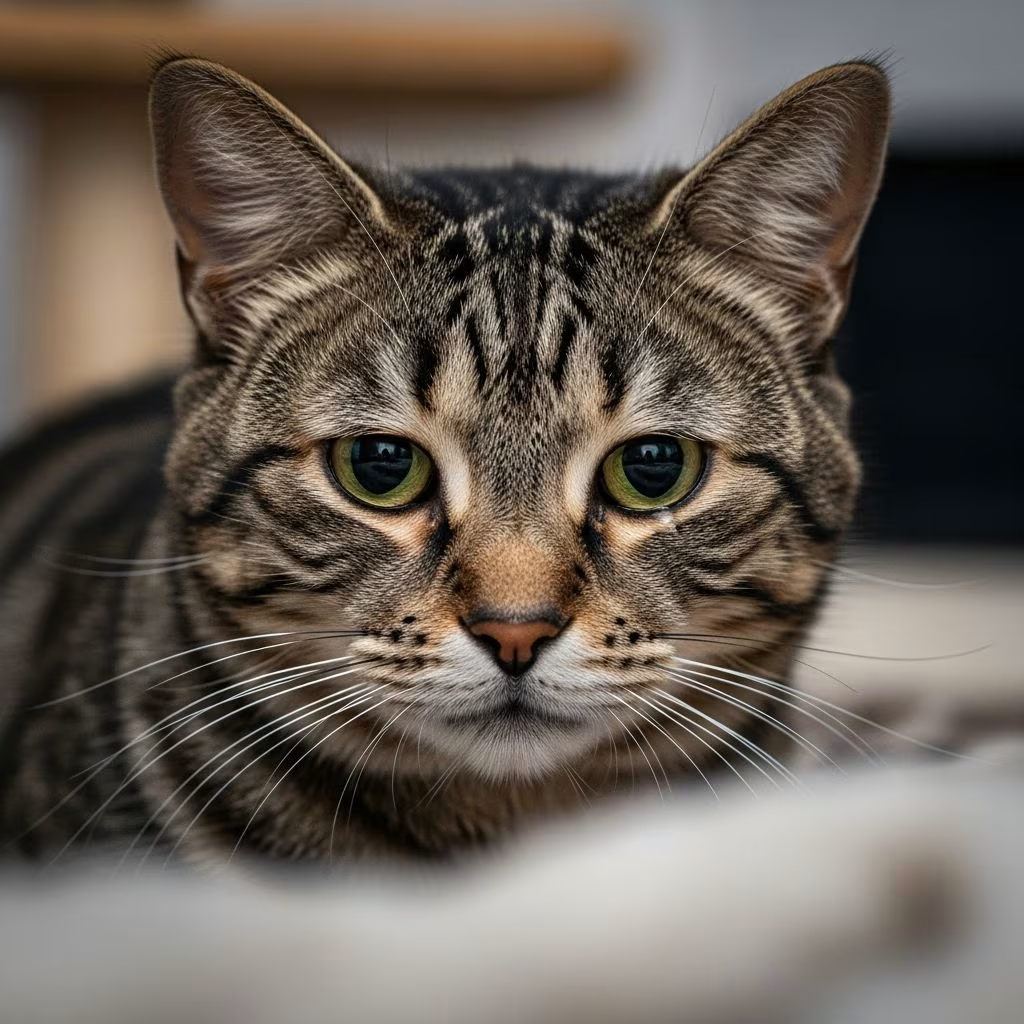
Cats are renowned for their meticulous self-cleaning routines, dedicating up to half their waking hours to grooming. This behavior keeps their coat sleek, regulates body temperature, and removes parasites. When a cat suddenly stops or reduces grooming, it often signals an underlying problem that requires prompt attention. Understanding the reasons and taking action can prevent further health decline and restore your pet’s comfort.
Recognizing the Warning Signs of Reduced Grooming
Spotting changes early is crucial for your cat’s health. Look for these common indicators that grooming has diminished:
- Dull, greasy, or unkempt fur: The coat loses its shine and appears clumped or sticky within a day or two.
These signs typically emerge quickly in healthy cats, who maintain pristine appearances effortlessly. If noticed, monitor for 24-48 hours and consult a vet if no improvement occurs.
Primary Medical Reasons Behind Grooming Cessation
Health issues top the list of why cats abandon grooming. Pain or systemic illness saps energy and makes movement uncomfortable, prioritizing survival over vanity. Cats instinctively hide sickness, making grooming lapse a key red flag.
Chronic Pain and Mobility Limitations
Pain from arthritis, injuries, or dental problems hinders stretching to reach itchy spots. Joint inflammation in hips or spine prevents twisting, while sore mouths from gingivitis or abscesses make licking painful. Cats may avoid specific areas, leading to localized matting.
Systemic Illnesses and Weakness
Conditions like kidney disease, diabetes, hyperthyroidism, or infections cause lethargy and nausea, reducing interest in grooming. Dehydration dries the skin, exacerbating discomfort. Dental disease, affecting over 70% of cats by age three, often manifests as halitosis and neglected face cleaning.
| Illness Type | Grooming Impact | Other Symptoms |
|---|---|---|
| Arthritis | Can’t reach back/tail | Limping, reluctance to jump |
| Dental Disease | Painful licking | Bad breath, drooling, weight loss |
| Kidney Disease | General lethargy | Increased thirst, litter soiling |
| Diabetes | Weakness | Urine paw staining, excessive drinking |
Immediate veterinary evaluation, including bloodwork and dental exams, is essential to diagnose and treat these.
Age-Related Grooming Challenges in Older Cats
Senior cats (over 11 years) face unique hurdles. Declining flexibility from osteoarthritis limits access to the lower back and tail base. Cognitive decline or reduced energy further diminishes motivation. Mats form rapidly, risking skin infections or urine scalding if soiled.
Obesity compounds this; 56% of U.S. cats are overweight, per veterinary studies, restricting contortions needed for full coverage. Extra fat layers cause skin folds prone to irritation, deterring grooming.
Environmental and Behavioral Triggers
Not all causes are physical. Stress disrupts routines profoundly in sensitive felines.
- Household upheavals: New pets, babies, moves, or absent owners trigger anxiety, halting hygiene amid insecurity.
- Learned behavior deficits: Kittens separated early from mothers may never master techniques.
- Skin conditions: Allergies, fleas, or dermatitis make grooming irritating rather than soothing.
While stress more often spurs over-grooming (psychogenic alopecia), under-grooming occurs in severe cases.
Steps to Take When Your Cat Stops Grooming
Act swiftly but calmly. Start with a vet visit to rule out medical issues—discuss diet history, recent changes, and full exams. Expect diagnostics like X-rays for joints or urinalysis for metabolic diseases.
Supporting Recovery at Home
Post-diagnosis, assist grooming safely:
- Gentle brushing: Use soft slicker brushes daily, focusing on mats. Reward with treats to build positive associations.
- Hygiene aids: Waterless shampoos or wipes for soiled areas; enzymatic cleaners for odors.
- Diet and exercise: Switch to weight-management formulas; interactive toys encourage movement.
- Environmental enrichment: Pheromone diffusers, stable routines, and safe spaces reduce stress.
Avoid baths unless vet-recommended, as they heighten anxiety. For seniors, elevated litter boxes and ramps aid access.
Preventing Grooming Problems Long-Term
Proactive care keeps grooming consistent:
- Annual vet checkups, escalating to biannual for seniors.
- Weight monitoring via home scales; ideal body condition allows palpable ribs without protrusion.
- Parasite preventives year-round.
- Dental care with brushing kits or prescription diets.
- Stress-proofing via play, scratching posts, and multi-cat harmony strategies.
Early kitten socialization ensures grooming proficiency.
FAQs: Common Questions About Cats Not Grooming
Is it normal for cats to stop grooming occasionally?
No, healthy cats groom consistently. Brief lulls post-stress may resolve, but persistent changes warrant vet attention.
Can stress really cause a cat to neglect grooming?
Yes, though over-grooming is more typical, under-grooming signals high distress levels.
What if my senior cat won’t groom their rear end?
Arthritis or obesity often blocks reach; vet pain relief and assisted brushing help.
Should I shave a cat with severe mats?
Only under sedation by professionals; it risks skin issues and recovery stress.
How quickly should I see a vet if grooming stops?
Within 24-48 hours, as it indicates illness in stoic cats.
Does diet affect grooming habits?
Absolutely—omega fatty acids promote coat health; obesity hinders it.
Conclusion
Restoring a cat’s grooming restores their dignity and health. Vigilance turns a subtle sign into swift intervention, ensuring years of purring contentment.
References
- Why Cats Stop Grooming Themselves — Sandia Animal Clinic. 2019-11-01. https://www.sandiaanimalclinic.com/2019/11/01/why-cats-stop-grooming-themselves/
- My Cat Is Not Grooming Themself & When to Worry — Cats.com. (Recent update inferred within last 24 months). https://cats.com/my-cat-is-not-grooming-herself
- Abnormal Grooming Behavior in Cats — Cat Friendly Homes (AAFP-affiliated). (Recent). https://catfriendly.com/signs-symptoms/abnormal-grooming/

Sneha Tete
Sneha is a pet care and lifestyle writer with a strong background in applied linguistics and certified training in animal-assisted relationship dynamics. She brings over five years of writing experience to FluffyAffair, crafting thoughtful, research-backed content that empowers pet parents to deepen their bond with their furry companions, enhance pet well-being, and embrace a happy, holistic lifestyle together. More articles →
More from Feline Focus

Brachycephalic Dogs: Symptoms, Risks, And Care Guide For Owners
Sneha Tete • 9 min read
Diabetes In Dogs: 7 Early Warning Signs And Care Tips At Home
 medha deb • 5 min read
Keeping Cats Safe At Night: An Essential Guide For Owners Today
Sneha Tete • 5 min read