

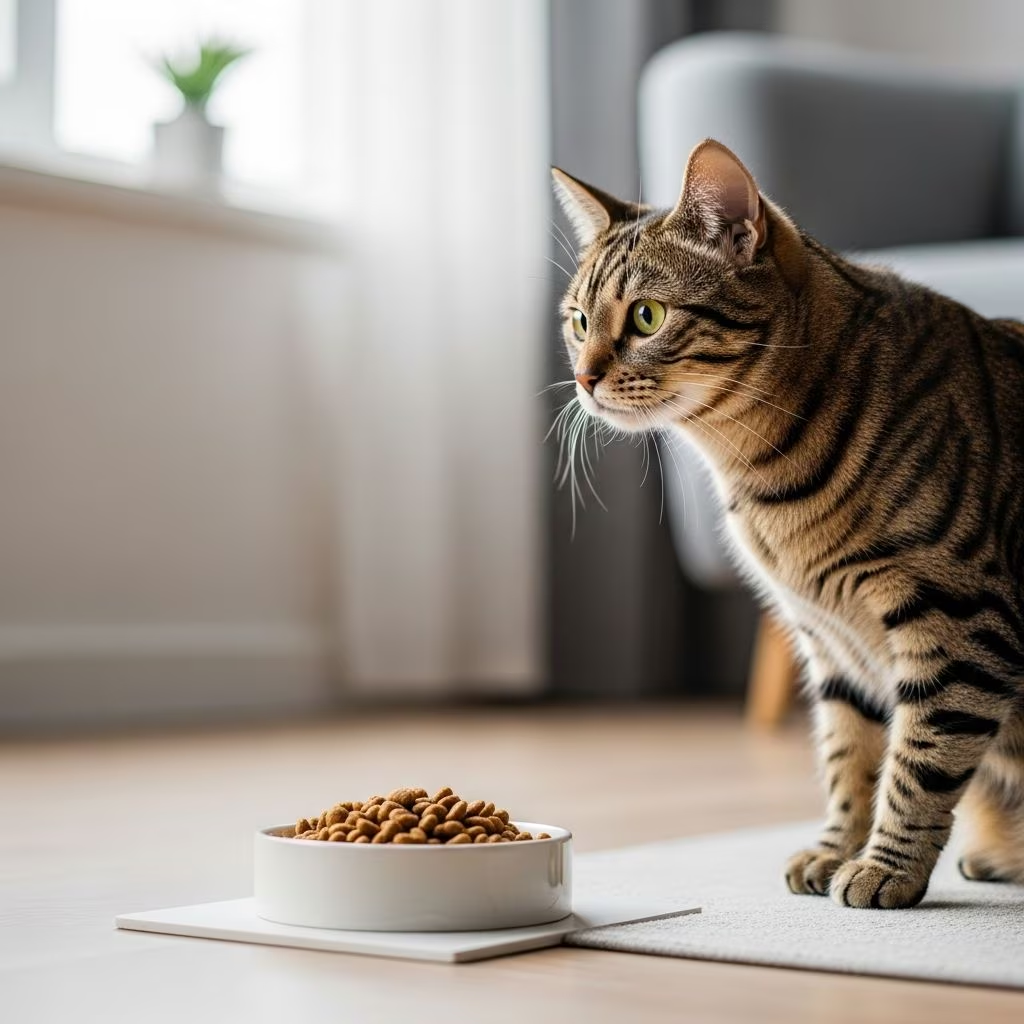
Sudden refusal to eat in cats signals potential health problems ranging from minor stress to life-threatening conditions. Prompt action prevents complications like fatty liver disease, which develops quickly in felines.
Recognizing Appetite Loss in Your Feline Friend
Cats are obligate carnivores with high metabolisms, making sustained fasting dangerous. Unlike dogs, cats cannot go days without food; even 24-48 hours risks hepatic lipidosis, a fat buildup in the liver that can be fatal. Watch for signs like untouched meals, weight loss, lethargy, or behavioral changes. Normal cats eat multiple small meals daily, so skipping one warrants observation, while multiple skips demand veterinary attention.
- Monitor daily intake: Healthy adults consume 20-30 calories per pound of body weight.
- Note accompanying symptoms: Vomiting, diarrhea, or hiding amplify urgency.
- Weigh weekly: Rapid drops exceed 1-2% body weight signal crisis.
Everyday Triggers for Reduced Eating
Benign factors often explain temporary dips. Environmental shifts disrupt routines, causing stress that suppresses hunger. New pets, moves, or loud noises trigger anxiety, halting meals for days. Food changes provoke pickiness; abrupt switches cause digestive upset or rejection.
| Trigger | Symptoms | Solutions |
|---|---|---|
| Food switch | Sniffing but ignoring bowl | Mix old and new gradually over 7-10 days |
| Home changes | Hiding, vocalizing | Provide quiet space, pheromone diffusers |
| Litter box issues | Avoiding tray | Clean daily, add boxes |
Dental discomfort ranks high; gingivitis, broken teeth, or abscesses make chewing painful, leading to drooling or pawing at mouth. Long-haired breeds suffer hairballs blocking stomachs, inducing nausea.
Oral Health Problems Disrupting Meals
Periodontal disease affects 70% of cats over age three, causing inflammation that erodes gums and loosens teeth. Painful sores or tumors prevent swallowing. Resorptive lesions, common in felines, dissolve tooth roots silently.
- Signs: Bad breath, red gums, reluctance to hard kibble.
- Diagnosis: Vet exam under sedation, X-rays.
- Treatment: Professional cleaning, extractions, antibiotics.
Switch to soft food temporarily eases pain while awaiting care. Daily brushing with enzymatic paste prevents recurrence.
Respiratory and Infectious Culprits
Upper respiratory infections (URIs) congest noses, dulling smell—the primary eating driver for cats. Viral culprits like herpesvirus or calicivirus cause sneezing, discharge, fever, mimicking colds. Kittens and shelters face higher risks; symptoms include eye issues and fatigue.
Bacterial overgrowth or parasites like roundworms steal nutrients, bloating bellies and causing diarrhea. Feline infectious peritonitis (FIP) ravages young cats in multi-pet homes, inducing fever and wasting unresponsive to standard antibiotics.
Gut and Digestive Disturbances
Gastrointestinal woes dominate causes. Indigestion from spoiled food or foreign objects like strings leads to blockages, vomiting, and refusal. Pancreatitis inflames the pancreas, sparking severe nausea; cats lick lips or drool.
Parasites irritate intestines, while food allergies trigger inflammatory bowel disease (IBD), chronic diarrhea, and patchy eating. Colitis inflames colons, pairing appetite loss with bloody stools.
Systemic Diseases Behind Hidden Hunger
Chronic conditions masquerade subtly. Kidney disease, prevalent in seniors, builds toxins causing nausea; increased thirst and urination accompany it. Diabetes disrupts insulin, yielding weight loss despite hunger, sweet breath, and frequent UTIs.
Hyperthyroidism accelerates metabolism in older cats; they devour food yet slim, with hyperactivity, vomiting, and heart strain. Liver failure or cancer like lymphoma erode appetite progressively.
Heart failure fatigues cats, curbing interest amid coughing and fluid buildup. Medications for these—antibiotics, chemo—further suppress taste.
When Behavior Points to Emotional Factors
Cats internalize stress, refusing food during grief, bullying, or hormonal surges. Unspayed females in heat or pseudopregnant mimic disinterest. Outdoor roamers scavenge tainted prey, upsetting stomachs.
Obese cats fast riskiest, mobilizing fat overloads livers. Neutering alters hunger signals, demanding portion control.
Immediate Steps for a Picky or Sick Cat
Tempt with warmed wet food—aromas penetrate congestion. Favorites like tuna water or baby food (no onion/garlic) entice. Syringe feeding critical past 24 hours: Blend prescription recovery diets, administer 1-6 ml/kg every 3-6 hours.
- Appetite stimulants: Mirtazapine (vet-prescribed) boosts hunger safely.
- Hydrate: Subcutaneous fluids if vet-approved.
- Environment: Dim lights, elevated bowls reduce stress.
Avoid force-feeding chunks; purees prevent aspiration.
Veterinary Evaluation: Tests and Timelines
Seek care if fasting exceeds 12-24 hours, especially with symptoms. Vets perform:
- Physical exam: Palpate abdomen, check mouth.
- Bloodwork: Assess kidneys, liver, glucose, thyroid.
- Urinalysis: Detect infections, diabetes.
- Imaging: Ultrasound/X-rays for blockages, masses.
- Fecals: Parasite screening.
Jaundice or collapse mandates ER; prognosis hinges on cause—early infections resolve fully, cancers vary.
Preventing Recurrence Through Proactive Care
Annual dental checks, parasite preventives, and senior blood panels catch issues early. Balanced diets matching life stage curb obesity. Stress-proof homes with scratching posts, perches, and routines.
Transition foods slowly; monitor weights monthly. Vaccinations shield against URIs.
FAQs: Common Questions on Feline Anorexia
Will my cat starve itself to death?
Yes, rapidly; cats lack prolonged fasting ability. Hepatic lipidosis sets in within days, demanding hospitalization.
How long before vet visit?
Under 24 hours for adults; immediate for kittens, seniors, diabetics.
Is dry food okay during recovery?
No; wet food hydrates and tempts better. Soak kibble if needed.
Can stress alone cause prolonged refusal?
Temporarily yes, but rule out illness first.
What home remedies work best?
Warm aromatics, quiet feeding zones; never milk or human scraps.
References
- Understanding Sudden Loss of Appetite in Dogs and Cats — Commerce City Vet. 2023. https://www.commercecityvet.com/blog/understanding-sudden-loss-of-appetite-in-dogs-and-cats
- What to do When Your Cat Won’t Eat — WebMD. 2024-01-15. https://www.webmd.com/pets/cats/my-cat-wont-eat
- 6 Reasons Why Your Cat Is Not Eating and What To Do — PetMD. 2024. https://www.petmd.com/cat/nutrition/cat-not-eating-what-to-do
- Common Reasons Your Cat is Not Eating — The Beacon Vet. 2021-12-20. https://www.thebeaconvet.com/site/blog/2021/12/20/common-reasons-your-cat-is-not-eating
- Reduced appetite in cats — Joii Pet Care. 2023. https://www.joiipetcare.com/blogs/health-symptoms/reduced-appetite-in-cats
- Lack, Loss, or Decreased Appetite (Dysrexia, Anorexia) — Vetster. 2024. https://vetster.com/en/symptoms/cat/lack-loss-or-decreased-appetite



