

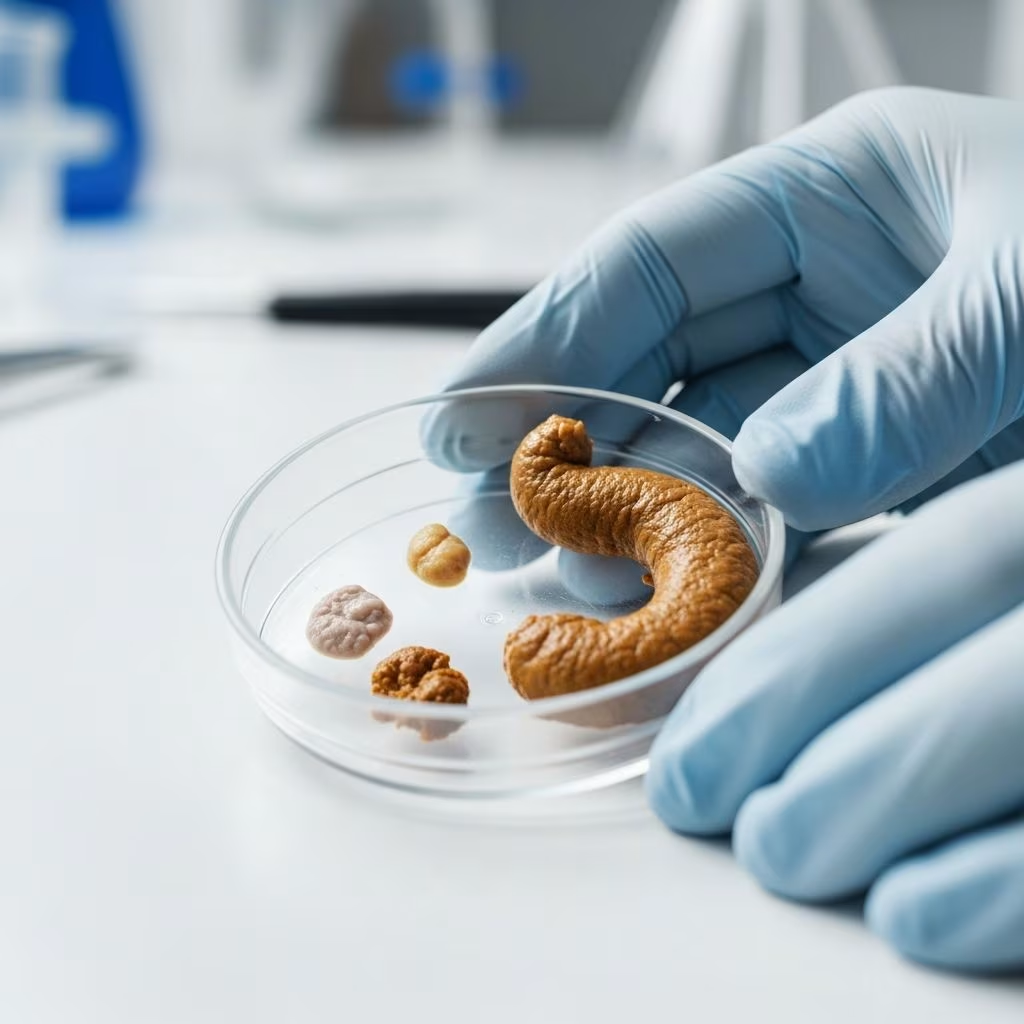
Observing your cat’s stool provides critical clues about their digestive health, hydration, and overall well-being. Changes in color, shape, or frequency can indicate dietary issues, parasites, or serious conditions, enabling early intervention.
Why Monitor Your Cat’s Feces?
Regular inspection of cat feces is a simple yet powerful diagnostic tool for pet owners. Healthy digestion reflects balanced nutrition, adequate hydration, and absence of infections. Abnormalities often appear before other symptoms, allowing proactive care. Veterinary experts emphasize fecal exams as part of annual wellness checks, even for indoor cats, due to risks like parasites from hunting instincts.
Tracking stool patterns helps tailor diets and spot trends. For instance, consistent firmness suggests optimal fiber intake, while recurring softness may signal stress or allergies. Integrate this habit into daily litter box maintenance for ongoing health monitoring.
Ideal Characteristics of Healthy Cat Poop
Normal cat stool is firm, segmented, and moist without being sticky. It should resemble the thickness of sausage links, easily scooping without residue. Frequency varies: 1-2 times daily for most adults, influenced by age and diet.
- Shape and Consistency: Log-like or tubular, breaking into 1-3 inch segments. Moist surface but holds form when picked up.
- Color: Medium to dark brown, uniform hue indicating proper bile processing.
- Size: Matches cat’s meal portions; larger breeds produce bulkier stools.
- Odor: Earthy but not overwhelmingly foul; pungent smells warrant investigation.
- Coating: No excessive mucus or blood; clean appearance post-defecation.
These traits align with guidelines from feline health authorities, confirming efficient nutrient absorption and gut motility. Deviations prompt further evaluation.
Visual Breakdown: Stool Types and Meanings
Cat feces vary across seven common types, each signaling different health states. Use this reference to categorize daily outputs.
| Type | Description | Ideal/Concern Level | Possible Causes |
|---|---|---|---|
| 1 – Ideal | Firm, segmented log; easy to scoop. | Optimal | Balanced diet, good hydration. |
| 2 – Slightly Soft | Soft but formed; minimal smear. | Mild Concern | Diet change, mild stress. |
| 3 – Loose Pile | Pudding-like; piles without shape. | Moderate Concern | Food intolerance, parasites. |
| 4 – Mushy | Pasty, sticks to litter. | High Concern | Overfeeding, infections. |
| 5 – Watery | Liquid splatter; urgent. | Critical | Viruses, toxins. |
| 6 – Straining | Hard pellets; discomfort evident. | Moderate Concern | Dehydration, low fiber. |
| 7 – Abnormal Colors | Black, red, yellow, green. | High Concern | Bleeding, liver issues. |
This table synthesizes veterinary observations, prioritizing types 1-2 for health. Note patterns over single instances.
Decoding Colors: What They Reveal
Stool color stems from diet, bile, and blood presence. Brown dominates in healthy cats due to oxidized bilirubin.
- Dark Brown/Black (Tarry): Digested blood from upper GI; possible ulcers.
- Bright Red Streaks: Fresh blood from lower tract; colitis or polyps.
- Yellow/Orange: Rapid transit or malabsorption; liver/pancreas flags.
- Green: Bile overload or bacterial imbalance.
- Gray/White: Bile duct obstruction; veterinary emergency.
Color shifts often tie to recent meals, but persistence requires fecal testing for parasites or pathogens.
Factors Influencing Stool Quality
Dietary Impacts
High-quality protein diets promote firm stools, as cats are obligate carnivores needing taurine and minimal carbs. Wet food boosts hydration for softer, healthier outputs; dry-only diets risk constipation. Abrupt changes cause diarrhea—transition over 7-10 days. Avoid milk due to lactose intolerance.
Hydration and Environment
Dehydration hardens stools; ensure multiple fresh water sources, preferably flowing fountains. Stress from moves or new pets loosens feces via gut-brain axis effects.
Age and Life Stage Variations
Kittens produce softer, more frequent stools due to rapid metabolism; deworm at 8,12,16 weeks. Adults stabilize; seniors face constipation from reduced mobility, needing higher fiber. Annual fecal exams detect age-related declines early.
Common Abnormalities and Fixes
Diarrhea: Acute cases from diet or stress resolve with fasting and probiotics; chronic signals IBD or hyperthyroidism. Types 3-5 demand vet review.
Constipation: Hard, infrequent stools; increase wet food, pumpkin puree (1 tsp daily). Megacolon risks in untreated cases.
Mucus or Blood: Inflammation indicators; parasites common even indoors.
Worms/Parasites: Visible segments or rice-like flecks; fecal flotation confirms.
When to Contact a Veterinarian
Seek immediate care for blood, black tarry stools, persistent diarrhea (>24 hours), straining without output, or weight loss. Accompany symptoms like vomiting or lethargy elevate urgency. Bring a fresh stool sample for analysis.
Routine wellness includes yearly fecal tests, bloodwork, and vaccines to preempt issues.
Practical Tips for Better Digestion
- Use stainless steel bowls to prevent acne.
- Incorporate play for gut motility.
- High-fiber treats for constipation-prone cats.
- Monitor post-antibiotic stools for dysbiosis.
Frequently Asked Questions
Is cat poop ever completely odorless?
No; a mild odor is normal. Odorless or excessively foul suggests imbalance.
How often should my cat poop?
1-2 times daily; less may indicate blockage.
Does wet food always cause softer stools?
Yes, due to moisture, but ideal if formed.
Can indoor cats get worms?
Yes, via fleas or self-ingestion.
What if stool sticks to fur?
Trim fur; check for diarrhea or allergies.
Preventive Health Integration
Combine stool monitoring with annual exams, parasite control, and nutrition tweaks for longevity. Early detection via feces prevents costly treatments.
References
- Guidelines For The Care Of Your Healthy Adult Cat — Northgate Animal Hospital. 2023. https://northgateanimalhospital.net/guidelines-care-healthy-adult-cat/
- The Complete Cat Health Care Guide — Cabbagetown Pet Clinic. 2023-03. https://www.cabbagetownpetclinic.com/blog/march-2023/the-complete-cat-health-care-guide
- AAHA-AVMA Feline Preventive Healthcare Guidelines — AVMA. 2024. https://www.avma.org/resources-tools/avma-policies/aaha-avma-feline-preventive-healthcare-guidelines
- Complete Cat Health Guide for Every Life Stage — PetMD. 2024. https://www.petmd.com/cat/general-health/complete-cat-health-guide-every-life-stage
- Routine Health Care of Cats — Merck Veterinary Manual. 2025. https://www.merckvetmanual.com/cat-owners/caring-for-cats/routine-health-care-of-cats



