

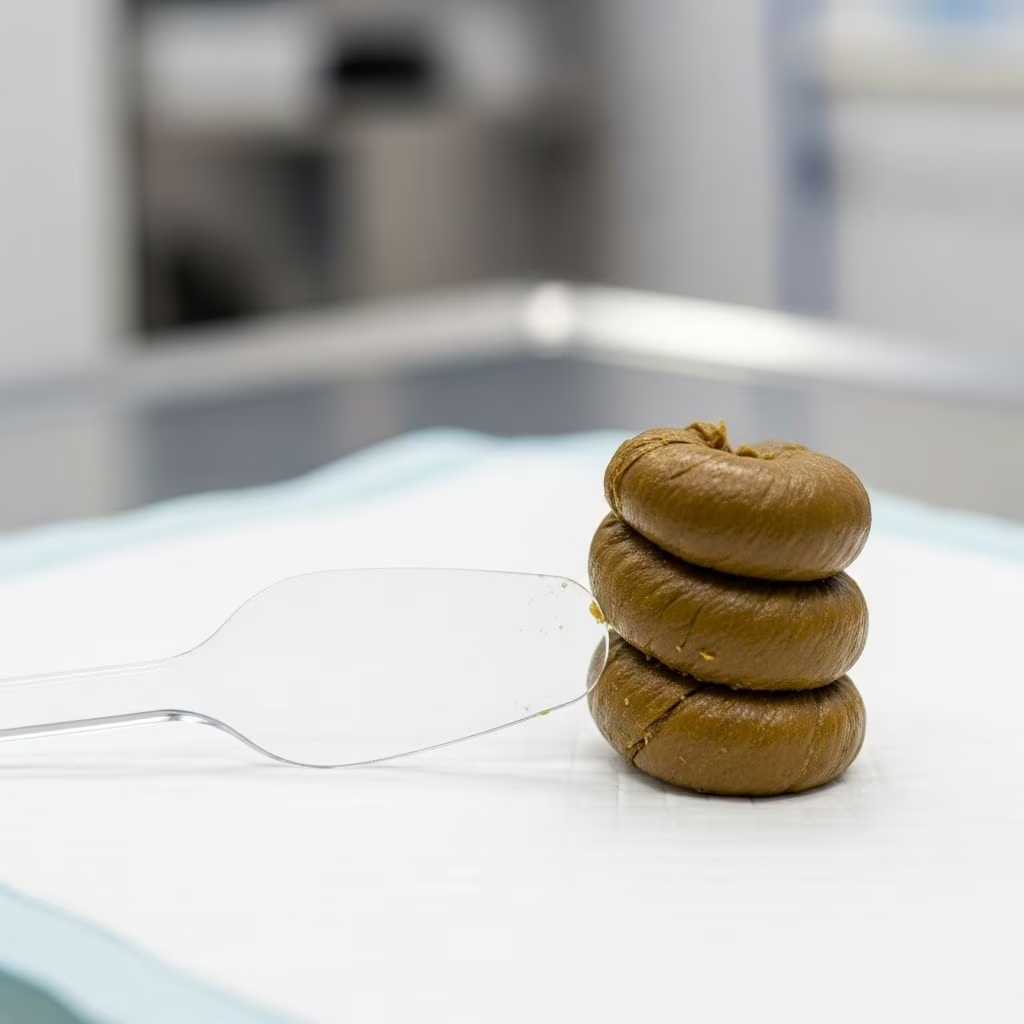
Your cat’s stool serves as a vital window into their overall well-being, reflecting diet, hydration, and potential medical concerns. By observing shape, color, and texture, owners can spot issues early and ensure proactive care.
Why Monitor Your Cat’s Waste?
Regular inspection of feline feces helps identify digestive efficiency and nutrient absorption. Healthy cats produce consistent, firm stools that indicate balanced gut flora and proper hydration. Deviations signal problems like infections, allergies, or parasites, allowing timely intervention to prevent escalation.
Ideal Feline Stool Characteristics
The benchmark for healthy cat poop is firm, sausage-shaped, and medium to dark brown, passed daily without straining. This form suggests optimal water absorption in the large intestine and effective breakdown of proteins from a carnivorous diet.
- Shape: Segmented yet smooth, like a banana—easy to pass.
- Color: Chocolate brown from bile pigments.
- Consistency: Moist but holds form; not hard pebbles or mush.
- Frequency: 1-2 times daily for most adults.
These traits stem from a diet rich in animal proteins, adequate fiber, and fresh water intake, supporting the short feline digestive tract designed for meat.
Common Stool Abnormalities and Their Causes
Variations in appearance often point to specific triggers. Understanding these empowers owners to adjust care or seek professional help promptly.
| Stool Type | Description | Possible Causes | Action Steps |
|---|---|---|---|
| Hard, Dry Pellets | Small, pebble-like lumps | Dehydration, low fiber, hair ingestion | Increase water, add wet food, brush regularly |
| Soft, Mushy | Pudding-like, doesn’t hold shape | Diet change, stress, mild infection | Monitor 24-48 hrs; stabilize diet |
| Watery Diarrhea | Liquid, urgent expulsion | Parasites, bacteria, toxins | Vet visit immediately |
| Strained, Few Pieces | Infrequent, painful passage | Constipation from inactivity or blockage | Encourage play, laxative if vet-approved |
Color Variations: What They Reveal
Stool hue provides clues about internal processes, from liver function to bleeding sites.
- Black and Tarry: Digested blood from upper GI tract, possibly ulcers—emergency vet care needed.
- Bright Red Streaks: Fresh blood from lower bowel, like colitis or anal fissures; check for worms.
- Green: Rapid transit or bile overload from infections/parasites; often with diarrhea.
- Yellow/Orange: Poor fat digestion, liver/pancreas issues, or food dyes.
- Gray/White: Bile duct obstruction; critical, requires imaging.
- Mucus-Coated: Inflammation or irritation in intestines.
Colors outside brown warrant observation; persistent changes demand diagnostics like fecal tests.
The Feline Digestive Journey
Cats possess a specialized system as obligate carnivores: food tears via sharp teeth, stomach acids dissolve chunks, small intestine absorbs via villi, and large intestine compacts waste. Disruptions here alter output.
Probiotics foster beneficial bacteria, enhancing breakdown and immunity. Digestive enzymes aid nutrient uptake, especially in seniors.
Preventing Digestive Disruptions
Maintain peak gut health through targeted habits.
- Feed high-protein, vet-approved kibble/wet food with listed meats first.
- Ensure constant fresh water; fountains boost intake.
- Groom to reduce hairballs—daily brushing for longhairs.
- Consistent schedule prevents stress-induced upset.
- Portion control avoids obesity-linked slowdowns.
Supplements like postbiotics support microbiome without gas risks. Exercise via toys stimulates motility.
When to Consult a Veterinarian
Act fast on red flags: blood, prolonged diarrhea/constipation (>48 hours), weight loss, vomiting, lethargy, or appetite loss. Puppies/kittens/seniors need quicker checks. Vets may run tests for parasites, allergies, or IBD.
FAQs on Cat Stool Health
What does healthy cat poop look like?
Firm, brown, log-shaped, passed regularly without effort.
Is green cat stool always serious?
Often indicates infection; monitor and vet if persistent.
How does diet affect stool?
High-quality protein firms it; fillers cause looseness.
Can hairballs change poop color?
They cause constipation, making stools harder/smaller.
Are probiotics safe for all cats?
Yes, but vet-recommended strains for best results.
Advanced Insights: Gut Microbiome Matters
The feline gut hosts trillions of microbes influencing immunity, mood, and digestion. Imbalances from antibiotics or poor diet lead to chronic issues. Fiber sources like pumpkin support beneficial strains, producing short-chain fatty acids for colon health.
Recent studies emphasize hydration’s role: wet food hydrates better than dry, reducing constipation risks. Avoid dairy, as lactose intolerance causes diarrhea in many adults.
Case Studies: Real-World Examples
Consider Luna, a 5-year-old whose pebble stools resolved with wet food transition and brushing—dehydration fixed. Or Max, with black stools indicating ulcer; prompt treatment saved him. These highlight vigilance’s value.
Expand knowledge with routine fecal exams at checkups to catch parasites early.
References
- Cat Gut Health: How to Support a Healthy Gut and Digestion in Cats — Pet Releaf. 2023. https://petreleaf.com/blogs/blog/cat-gut-health-how-to-support-a-healthy-gut-and-digestion-in-cats
- Understanding Your Cat’s Digestion — YuMOVE. 2023. https://yumove.co.uk/blogs/cat-expert-advice/understanding-your-cats-digestion
- Cat Digestive & Gastro Disorders — Hill’s Pet Nutrition. 2023. https://www.hillspet.com/cat-care/healthcare/feline-digestive-disorders
- Introduction to Digestive Disorders of Cats — Merck Veterinary Manual. 2024. https://www.merckvetmanual.com/cat-owners/digestive-disorders-of-cats/introduction-to-digestive-disorders-of-cats
- A Pet Parent’s Guide to Probiotics for Cats — Germantown Animal Hospital. 2023-05-15. https://www.germantownah.com/site/blog-memphis-vet/2023/05/15/probiotics-for-cats
- Feeding Your Cat — Cornell University College of Veterinary Medicine. 2023. https://www.vet.cornell.edu/departments-centers-and-institutes/cornell-feline-health-center/health-information/feline-health-topics/feeding-your-cat



