

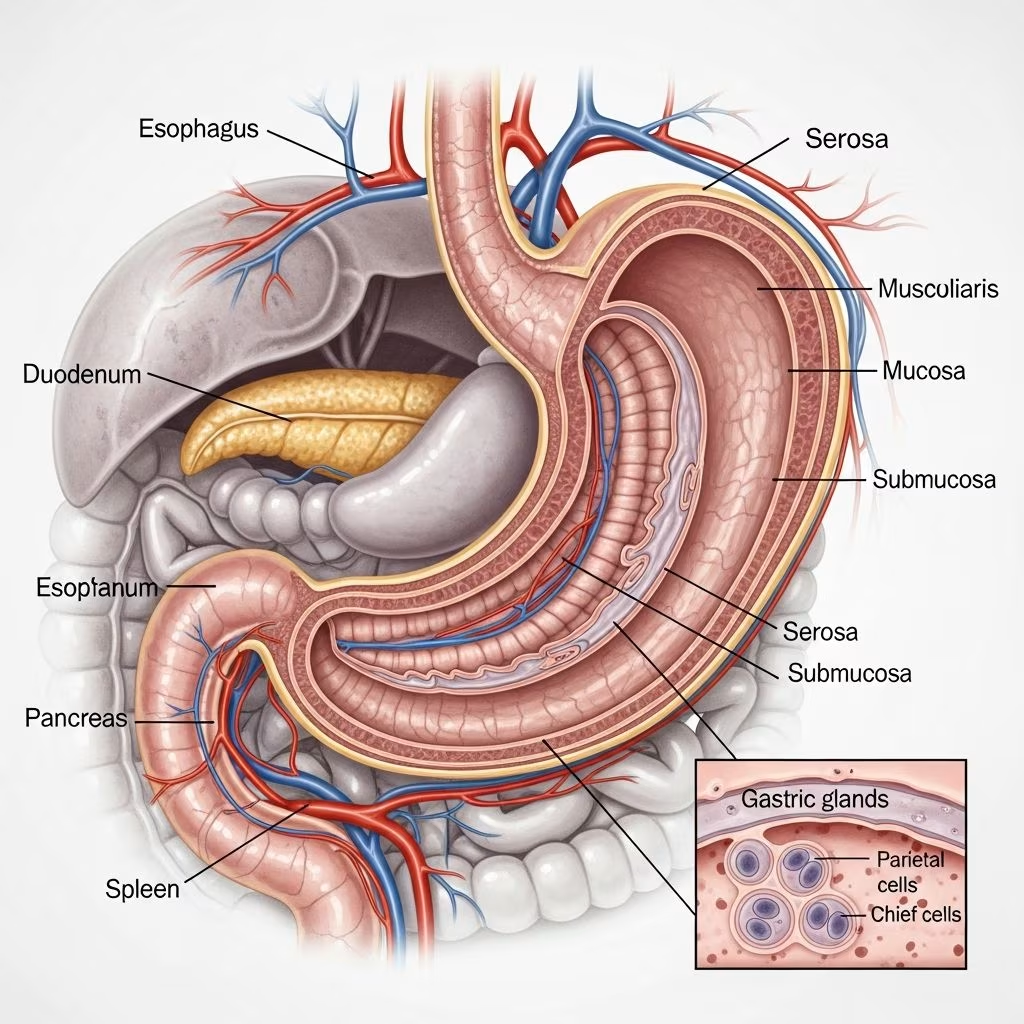
The stomach of a cat serves as a critical hub in the digestive process, breaking down food with powerful acids and enzymes while protecting itself from damage. Understanding its structure and role helps owners spot issues early and promote better health.
Anatomy of the Feline Stomach
A cat’s stomach is a muscular, sac-like organ positioned in the front of the abdominal cavity, primarily on the left side behind the liver. It connects the esophagus at the cardia inlet and leads to the small intestine via the pylorus outlet. Shaped like a lopsided kidney bean, it features a larger fundus on the left near the cardia and a narrower body on the right ending at the pylorus.
The stomach wall contains glands producing hydrochloric acid, pepsinogen (which activates into pepsin for protein digestion), and mucus to shield the lining from self-digestion. Muscles in the walls contract to mix and grind food into chyme, a semi-liquid form ready for intestinal processing.
Unlike herbivores, cats have a simple, single-chambered stomach adapted for frequent small meals of high-protein prey. Its curvatures include a lesser (concave) side forming a 50-70 degree angle and a greater (convex) side contacting the spleen and abdomen floor. Lymph nodes along the lesser curvature aid in immune surveillance.
How Digestion Begins in the Stomach
Digestion starts in the mouth with salivary amylase breaking starches, but the stomach takes over protein and fat processing. Food arrives via peristalsis—wavelike esophageal contractions—and a lower esophageal sphincter prevents reflux.
In the stomach, three key functions occur: temporary storage for quick eating, chemical breakdown via acids (pH 1-2) and pepsin, and mechanical mixing to liquefy contents. This prepares nutrients for small intestine absorption, where pancreatic and liver enzymes handle carbs, fats, and remaining proteins.
- Storage: Holds meals for gradual release, suiting obligate carnivores.
- Protein Digestion: Pepsin targets peptide bonds effectively.
- Mixing: Rhythmic contractions grind food over hours.
Cats digest meals rapidly; gastric emptying takes 2-6 hours depending on fat content.
From Stomach to Full GI Journey
The stomach links to a 12-15 inch esophagus and feeds into the duodenum, jejunum, and ileum of the small intestine. Here, bile emulsifies fats and pancreatic juices finalize breakdown. The large intestine—cecum, colon, rectum—absorbs water, forms feces, and hosts bacteria for fiber fermentation.
| GI Section | Main Role | Length/Size in Cats |
|---|---|---|
| Esophagus | Transport via peristalsis | 12-15 inches |
| Stomach | Storage, acid/enzyme digestion | C-shaped, kidney bean size |
| Small Intestine | Nutrient absorption | Duodenum fixed, jejunum mobile |
| Large Intestine | Water reabsorption, feces formation | Shorter, wider than small |
This efficient system supports a meat-based diet, minimizing carb needs.
Common Stomach Problems in Cats
Cats face unique gastric issues due to grooming, diet, and anatomy. Vomiting is common, from hairballs to toxins, while chronic problems signal deeper concerns.
Hairballs and Foreign Bodies
Grooming ingests hair, forming trichobezoars that irritate the stomach. Regurgitation of cylindrical masses occurs weekly in some cats. Laxatives or diet changes help; surgery for blockages. Foreign objects like string cause obstruction, halting emptying.
Gastritis and Ulcers
Inflammation from infections, drugs (NSAIDs), or diet causes drooling, appetite loss, and bloody vomit. Helicobacter bacteria contribute; antibiotics treat. Ulcers erode lining, risking perforation.
Motility Disorders
Delayed emptying (gastroparesis) leads to bloating, vomiting undigested food. Common in seniors or diabetics.
- Symptoms: Repeated vomiting, weight loss, lethargy.
- Risks: Dehydration, malnutrition.
Recognizing Trouble: Symptoms and Diagnosis
Watch for vomiting (vs. regurgitation—undigested food soon after eating), diarrhea, abdominal pain (hunched posture), or appetite changes. Blood in vomit/feces, dehydration (skin tenting), or foul breath warrant vet care.
Diagnosis involves:
- Physical exam and history.
- Bloodwork for organ function.
- Imaging: Ultrasound/radiographs for obstructions.
- Endoscopy/biopsy for ulcers.
Early detection prevents escalation to peritonitis or sepsis.
Caring for Your Cat’s Stomach Health
Prevent issues with consistent care. Feed high-quality, protein-rich food in small, frequent meals matching natural hunting.
- Diet: Avoid sudden changes; hairball formulas with fiber.
- Hydration: Wet food or fountains boost water intake.
- Grooming: Brush regularly to reduce ingestion.
- Environment: Minimize stress, which disrupts motility.
Probiotics support gut flora post-antibiotics. Annual vet checks catch subclinical issues.
Advanced Insights: Liver, Pancreas, and Gastric Links
The liver (2% body weight) produces bile for fat digestion, contacting the stomach’s visceral surface. Six-lobed, it’s accessed surgically via stomach retraction. Pancreas enzymes enter duodenum, aiding post-gastric breakdown. Disruptions like pancreatitis cause vomiting and pain.
Gastric lymphatics drain to splenic/hepatic nodes, vital for cancer staging.
When Surgery is Needed
Gastrotomy removes foreign bodies; pyloroplasty widens outlets in hypertrophic cases. Approach via midline laparotomy, retracting liver/stomach. Post-op: Fasting, fluids, gastroprotectants.
FAQs
Why does my cat vomit foam?
Often bilious from empty stomach; feed smaller meals or antacids. Persistent cases need vet evaluation for gastritis.
Can cats get acid reflux?
Yes, lower sphincter failure causes esophagitis. Elevate bowls, soft food helps.
How long can food stay in a cat’s stomach?
2-8 hours; fats slow emptying.
Is dry food bad for cat stomachs?
Not inherently, but low moisture risks dehydration/constipation. Balance with wet.
What home remedies soothe upset stomachs?
Blanched chicken/rice short-term; vet for ongoing issues. Avoid milk (lactose intolerant).
Supporting stomach health enhances life quality. Consult vets for tailored advice.
References
- Structure and Function of the Gastrointestinal Tract in Cats — PetPlace. Accessed 2026. https://www.petplace.com/article/cats/pet-health/structure-and-function-of-the-gastrointestinal-tract-in-cats
- Cat Digestive System: Anatomy, Diseases, & Treatment — Cats.com. Accessed 2026. https://cats.com/cat-digestive-system
- Surgical Anatomy of the Gastrointestinal Tract in Cats — PMC (NCBI). 2023-08-29. https://pmc.ncbi.nlm.nih.gov/articles/PMC10451872/
- Introduction to Digestive Disorders of Cats — Merck Veterinary Manual. Accessed 2026. https://www.merckvetmanual.com/cat-owners/digestive-disorders-of-cats/introduction-to-digestive-disorders-of-cats
- Stomach — Veterian Key. Accessed 2026. https://veteriankey.com/stomach/



