

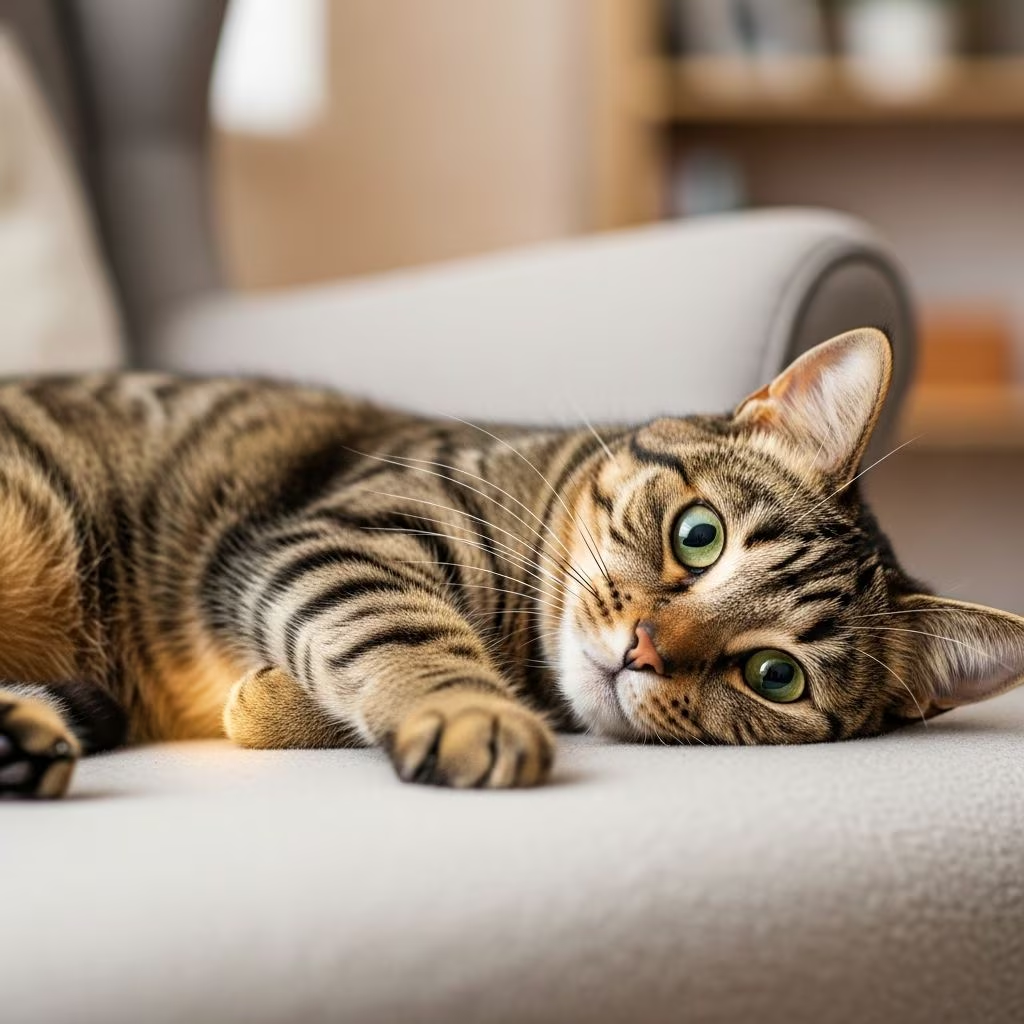
Stomach gurgling in cats, often called borborygmi, is typically a normal part of digestion but can sometimes indicate underlying issues. Understanding the feline digestive system helps pet owners distinguish harmless noises from those requiring attention.
The Feline Digestive Journey: From Mouth to Elimination
Cats possess a specialized digestive tract adapted for their carnivorous diet, processing food efficiently through distinct stages. Digestion begins in the mouth, where sharp teeth grasp prey-like kibble or wet food, and the tongue aids in minimal chewing. Saliva moistens the meal, initiating enzymatic breakdown with limited amylase for carbohydrates.
Food then travels via the esophagus, a muscular tube using peristaltic waves to propel boluses downward without nutrient processing. This conduit prevents reflux via a lower esophageal sphincter.
In the stomach, powerful hydrochloric acid and pepsin target proteins, liquefying contents into chyme over several hours. The organ’s fundus stores meals, allowing cats to eat large amounts quickly.
The small intestine—duodenum, jejunum, ileum—handles primary nutrient absorption. Pancreatic enzymes digest carbs, proteins, and fats; bile from the liver emulsifies lipids. Villi maximize uptake of amino acids, glucose, and fatty acids.
The large intestine reabsorbs water and electrolytes, forming feces with bacterial fermentation of remnants. The rectum stores waste until expulsion via the anus.
This system supports obligate carnivores, prioritizing protein metabolism while handling low fiber intake.
Why Do Cats’ Stomachs Make Gurgling Sounds?
Gurgling arises from peristalsis: rhythmic contractions moving contents through the tract, mixing with fluids and gases. Air swallowed during eating or gas from bacterial fermentation amplifies these sounds, especially audible when hungry.
- Peristaltic Activity: Waves in intestines propel chyme, creating fluid-gas sloshes.
- Gas Production: Fermenting undigested matter by gut bacteria.
- Motility Variations: Faster on empty stomachs, louder post-meal.
Normal borborygmi peak during fasting or digestion, quieting with fullness.
Common Triggers for Excessive Stomach Noises
While occasional gurgles are benign, persistent or loud ones may stem from lifestyle or health factors.
Dietary Influences
Sudden food switches disrupt microbiota, causing temporary gas and noise. High-carb dry foods ferment excessively in protein-adapted guts, unlike moisture-rich wet varieties. Dairy intolerances (lactase deficiency post-weaning) produce lactose-driven fermentation.
Hunger and Eating Patterns
Obligate carnivores eating infrequently mimic wild gorging-fasting cycles, amplifying empty-stomach motility.
Stress and Environmental Factors
Cortisol alters gut motility; new homes or multi-cat tensions slow transit, trapping gas. Dehydration from low water intake thickens contents, intensifying sounds.
Minor Indiscretions
Grooming ingests hairballs; indigestible plants or trash ferment, bubbling audibly.
Recognizing When Gurgling Signals a Problem
Isolate concerning patterns: gurgling with vomiting, diarrhea, lethargy, appetite loss, weight decline, or blood in stool warrants vet evaluation.
| Symptom | Possible Issue | Action |
|---|---|---|
| Loud, constant noises + diarrhea | Food intolerance or parasites | Vet fecal exam, diet trial |
| Gurgling + vomiting hairballs frequently | Trichobezoars | High-fiber add-ins, grooming |
| With weight loss/appetite drop | IBD, pancreatitis, hyperthyroidism | Bloodwork, ultrasound |
| Accompanied by pain (hunching) | Foreign body obstruction | Emergency imaging |
Acute onset post-meal suggests intolerance; chronic cases may involve inflammatory bowel disease (IBD) or exocrine pancreatic insufficiency.
Diagnostic Approaches for Digestive Noises
Vets start with history: diet history, stool patterns, recent changes. Physical exams palpate for pain/masses. Fecal tests rule out parasites; blood panels assess organ function, inflammation.
- Imaging: Ultrasound/radiographs detect obstructions, thickening.
- Endoscopy/Biopsy: For IBD confirmation.
- Trial Diets: Hydrolyzed proteins isolate allergies.
Merck Veterinary Manual emphasizes motility, absorption evaluation.
Strategies to Minimize Unwanted Stomach Sounds
Optimize Feeding Routines
Multiple small meals mimic natural patterns, reducing overload. Transition foods gradually over 7-10 days.
Enhance Hydration
Wet food (70-80% moisture) or fountains boost intake, softening transit.
Probiotic Support
Fortiflora-like supplements restore flora post-antibiotics or stress.
Stress Mitigation
Pheromone diffusers, vertical spaces calm nerves, steadying motility.
Fiber Adjustments
Pumpkin puree aids hair passage without excess gas.
Nutritional Foundations for Gut Wellness
AAFCO-compliant, high-protein (40%+ dry matter), moderate-fat formulas suit carnivores. Avoid fillers like corn/wheat promoting fermentation.
- Protein: 30-50% from animal sources.
- Fat: 15-20% for energy.
- Fiber: 1.5-5% soluble/insoluble balance.
- Omega-3s: Reduce inflammation.
Life-stage specifics: Kittens need frequent nutrient-dense feeds; seniors benefit from digestible proteins.
FAQs on Cat Stomach Gurgling
Is stomach gurgling always bad for cats?
No, it’s often normal peristalsis, especially when hungry.
How long should diet changes take?
7-14 days to prevent upset.
Can stress cause gut noises?
Yes, via slowed motility and gas buildup.
When is vet care urgent?
If with vomiting >24h, bloody stool, or pain.
Do wet foods reduce gurgling?
Often, due to hydration aiding smoother transit.
Long-Term Monitoring for Digestive Harmony
Track stool quality (firm, segmented ideal), weight, energy. Annual checkups catch subclinical issues early. Home logs of noises/symptoms guide discussions.
Proactive care—balanced nutrition, hydration, low-stress environs—keeps guts quiet and efficient.
References
- Understanding Your Cat’s Digestive System: Anatomy, Common… — RAWZ Natural Pet Food. 2023. https://rawznaturalpetfood.com/cat-digestive-system/
- Structure and Function of the Gastrointestinal Tract in Cats — PetPlace. 2024. https://www.petplace.com/article/cats/pet-health/structure-and-function-of-the-gastrointestinal-tract-in-cats
- Cat Digestive System: Anatomy, Diseases, & Treatment — Cats.com. 2024. https://cats.com/cat-digestive-system
- How to Keep Your Cats Digestive System on Track — FirstVet. 2023. https://firstvet.com/us/articles/cat-digestive-system-anatomy-and-functions
- Introduction to Digestive Disorders of Cats — Merck Veterinary Manual. 2025-02-01. https://www.merckvetmanual.com/cat-owners/digestive-disorders-of-cats/introduction-to-digestive-disorders-of-cats



