

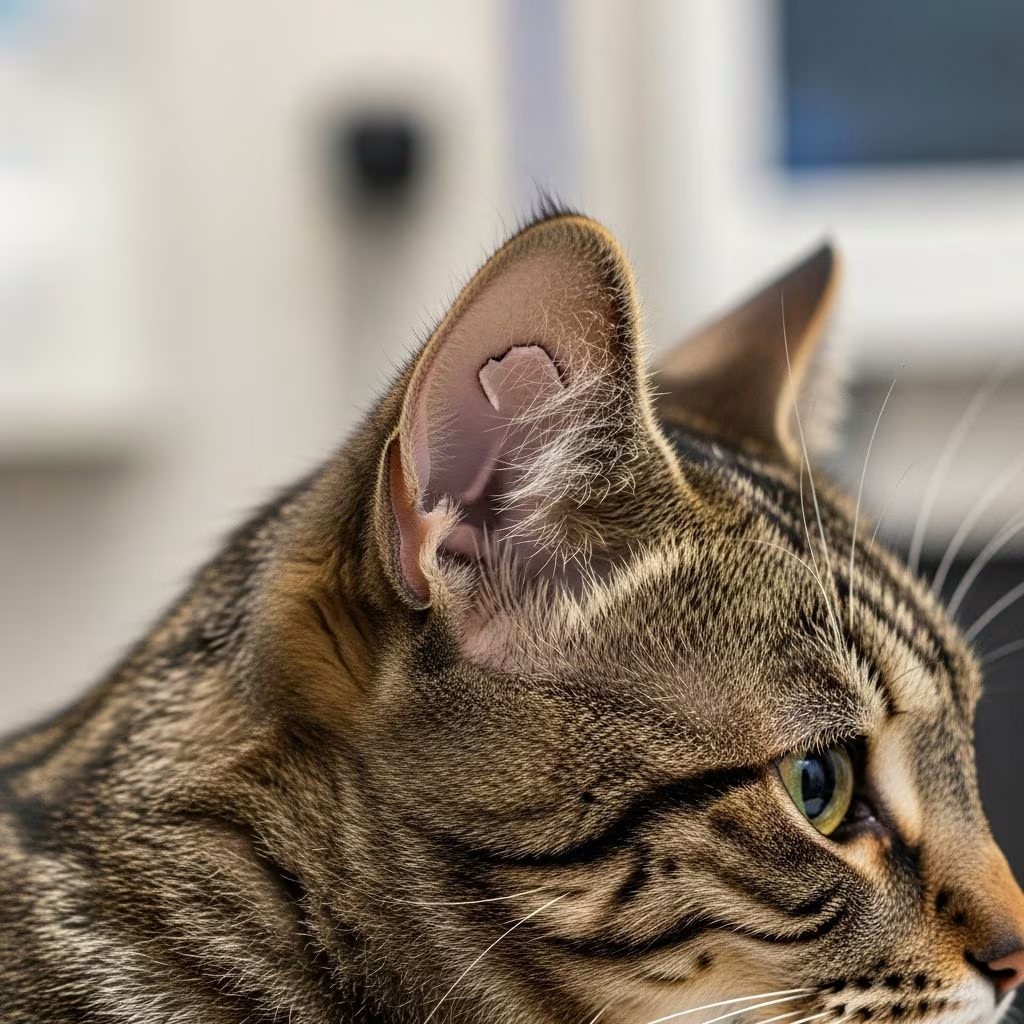
Sterilization tattoos are small, permanent ink marks applied by veterinarians immediately after spaying or neutering a cat. These marks serve as a quick visual confirmation that the procedure has been performed, helping prevent unnecessary repeat surgeries in the future, especially in rescue and shelter environments where medical records may be incomplete.
Why Cats Receive These Permanent Marks
The primary purpose of a post-surgical tattoo is to provide undeniable proof of sterilization. In high-volume spay/neuter clinics, thousands of cats pass through annually, and tattoos reduce the risk of accidental re-operation, which carries anesthesia risks and unnecessary stress for the animal. For instance, a green line tattoo on the abdomen indicates a spayed female, while males often receive a mark inside the ear.
- Prevents duplicate surgeries, saving time and resources for vets and shelters.
- Alerts future caregivers if a cat is found stray or transferred.
- Supports population control efforts by confirming non-breeding status.
According to veterinary guidelines, these marks are standard in many practices, particularly those aligned with humane society recommendations. They are applied using sterile ink while the cat is still under anesthesia, ensuring no additional discomfort.
Common Types and Placement of Sterilization Indicators
Veterinarians use specific, standardized markings to denote spay or neuter status. The most widespread are line tattoos, often in green or black ink, placed in visible yet minimally invasive spots.
| Gender | Procedure | Typical Tattoo Location | Mark Description |
|---|---|---|---|
| Female | Spay | Inner abdomen or flank | Single green line (1-2 cm) |
| Male | Neuter | Left ear pinna (inside) | Short green line or dot |
| Female (alternative) | Spay | Right ear | Small notch or ink spot |
For females, the tattoo is usually placed on the shaved abdominal area post-surgery, near the incision site for easy visibility during exams. Males get ear tattoos because the scrotum is removed, leaving no natural site. These practices vary slightly by region or clinic protocol but follow associations like the ASPCA for consistency.
The Spay Procedure and Tattoo Application
Spaying involves removing the ovaries and uterus through a small abdominal incision, typically under 30 minutes for cats. Once the organs are ligated and removed, the vet inspects for hemostasis, closes the incision with absorbable sutures, and applies the tattoo using a sterile tool.
The tattoo process takes seconds: a quick line is drawn with surgical ink on the incision edge. This is painless as the cat remains anesthetized. Post-op, the area is cleaned, and the cat wakes in recovery.
Neuter Surgery Details and Marking Methods
Neutering males entails small scrotal incisions to remove testicles, tying off blood vessels via autoligation or sutures. No abdominal entry is needed, so recovery is faster—often under 20 minutes. The ear tattoo is applied concurrently, ensuring the cat leaves fully documented.
- Incisions heal without external stitches in most cats.
- Tattoo ink is biocompatible and fades minimally over time.
- Marks remain legible for the cat’s lifetime.
Post-Operative Care for Tattoo Sites
Owners play a key role in ensuring tattoos heal properly. Keep the area clean and dry for 7-10 days; use an e-collar if licking occurs. Monitor for redness or swelling, which could indicate infection—rare but contact your vet if seen.
Do not scrub or apply creams to the tattoo, as it sets quickly. By day 14, it should be a permanent faint line. Fading can occur with excessive grooming, but it’s usually visible under close inspection.
Health Benefits Beyond Identification
Sterilization tattoos accompany profound health advantages. Spaying eliminates heat cycles, pyometra risk, and ovarian cancers; neutering prevents testicular issues and reduces FIV transmission from fights.
Behaviorally, 85-90% of neutered males stop spraying or roaming, promoting calmer home pets. Early procedures (4-6 months) yield best results, before habits form.
Addressing Common Owner Concerns
Many worry tattoos are painful or unsightly. In reality, they’re tiny (pea-sized lines) and applied under anesthesia. Some clinics offer ear-tip alternatives for ferals (ear notches), but tattoos suit pets.
If your cat lacks a tattoo despite surgery, request verification via ultrasound or records. Tattoos aren’t universal—some vets use microchips—but they’re highly effective for visual checks.
When Tattoos Might Fade or Be Misread
Over years, ink can lighten from sun exposure or grooming. Vets use magnification for exams. In obese cats, abdominal marks may hide under fur, but clipping reveals them.
Misidentification is rare with standards: green lines are spay/neuter specific, unlike colored ear tips for rabies.
Role in Shelter and Rescue Operations
In trap-neuter-release (TNR) programs, tattoos track treated ferals, preventing recapture surgeries. Shelters scan for marks upon intake, reducing overpopulation efforts’ waste.
Alternatives to Traditional Tattoos
- Ear tipping: 1/4-inch left ear tip for ferals; visible from afar.
- Microchipping: Implant for records, not visual.
- Digital registries: Apps linking chips to spay status.
Tattoos complement these, offering low-tech reliability.
FAQs on Cat Sterilization Tattoos
Q: Is the tattoo permanent?
A: Yes, using sterile ink, it lasts the cat’s life, though it may fade slightly.
Q: Does every vet apply them?
A: Common in the US/UK, but policies vary; ask beforehand.
Q: Can tattoos cause allergies?
A: Extremely rare with vet-grade ink; monitor for irritation.
Q: What if my cat chews the site?
A: Use cone collar; healing takes 10-14 days.
Q: Are tattoos safe for kittens?
A: Yes, applied from 8 weeks onward.
Q: How to check an adopted cat’s status?
A: Part fur on belly/ear; consult vet for confirmation.
Choosing the Right Time for Sterilization
Optimal age is 8-16 weeks for kittens, minimizing risks and behaviors. Adults benefit too, though habit reversal may take months. Consult for pre-op bloodwork, especially seniors.
Costs range $50-300, often subsidized via clinics. Benefits outweigh expenses long-term.
References
- Cat Neuter Surgery: What It Is, Preparation, and Recovery — PetMD. 2023-2025. https://www.petmd.com/cat/procedure/cat-neuter-surgery
- Cat Spay/Neuter: What to Expect and Why It’s Important — Best Friends Animal Society. 2024. https://bestfriends.org/pet-care-resources/cat-spayneuter-what-expect-and-why-its-important
- Cat Spaying and Neutering — Santa Monica Pet Medical Center. 2024. https://www.petmedical.com/services/cats/spay-neuter
- Cat neutering: a guide to castration and spaying — PDSA. 2025-01-15. https://www.pdsa.org.uk/pet-help-and-advice/pet-health-hub/other-veterinary-advice/cat-neutering-a-guide-to-castration-and-spaying
- The Cat Spay Simplified – An Overview for Veterinary Assistants — YouTube (Vet surgical video). 2023. https://www.youtube.com/watch?v=mPNJ-Yf8Icw
- What to expect when your pet is getting spayed or neutered — Virginia Tech Veterinary Medicine. 2024. https://vth.vetmed.vt.edu/animal-care-tips/pet-spay-neuter.html



