

Cat Spraying: Why Cats Do It and How to Stop It
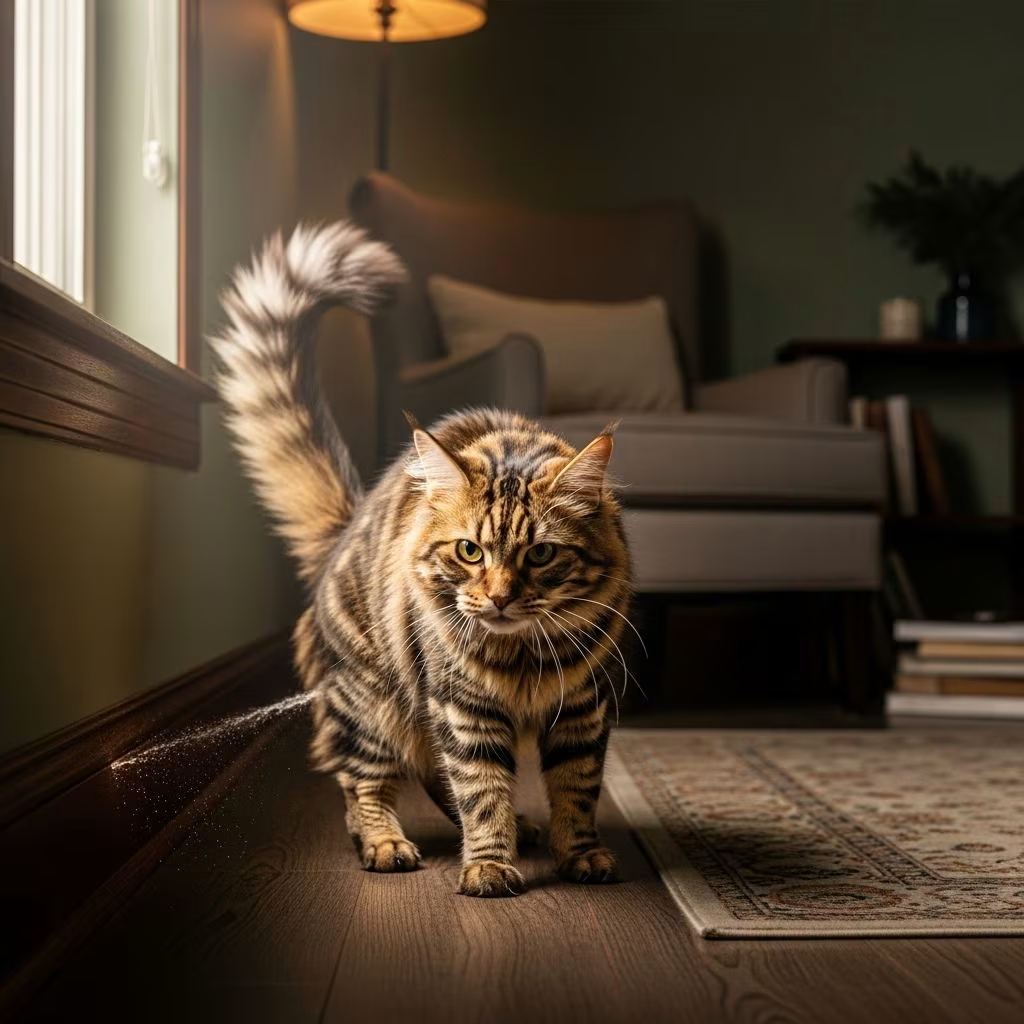
Cat spraying is one of the most frustrating behaviors pet owners encounter. If your feline friend has been leaving small amounts of urine on your walls, furniture, or other vertical surfaces, you’re dealing with a spraying problem. However, understanding the underlying causes of this behavior is the first step toward resolving it. Unlike regular inappropriate urination, which involves a cat squatting on horizontal surfaces and releasing larger quantities of urine, spraying is a distinct territorial marking behavior where cats back up to vertical surfaces with a quivering tail and release small amounts of urine.
Spraying is a normal feline behavior that serves important communicative and territorial functions in cats. While this instinctive action is perfectly natural for cats in the wild, it’s an unwelcome problem inside your home. The good news is that with proper understanding and intervention, you can address this behavior effectively.
Why Cats Spray: Understanding the Root Causes
Before you can stop your cat from spraying, it’s essential to understand why cats engage in this behavior. There are several distinct reasons why your cat might be marking territory with urine, ranging from territorial communication to medical conditions.
Territorial Marking and Communication
Cats are naturally territorial animals, and spraying is their primary way of establishing boundaries and communicating with other cats. When your cat sprays, they’re essentially leaving a scent message that says “this is my territory.” This behavior becomes especially pronounced when cats sense the presence of other cats in the household or even in the neighborhood. Indoor cats can become stressed when they see outdoor cats through windows, and this anxiety can trigger spraying behavior as a way to reinforce their sense of control over their domain.
Mating Behavior and Hormonal Factors
Unneutered male cats often spray to attract mates and mark their presence. This behavior is instinctual and typically begins around six months of age when cats reach sexual maturity. Intact female cats may also spray, particularly when they are in heat or attempting to attract male cats. The hormonal drive to reproduce is a powerful motivator for spraying behavior in unfixed cats.
Stress and Anxiety
Perhaps one of the most common triggers for cat spraying is stress and anxiety caused by environmental changes. Cats thrive on predictability and routine, and any disruption to their world can cause significant anxiety. Common stressors that trigger spraying include changes in household routine, new furniture or renovations, moving to a new home, introduction of new pets or family members, and conflict with other household cats. Even minor changes like new scents from cleaning products or air fresheners can unsettle your cat enough to trigger spraying behavior.
Medical Conditions
Before assuming your cat’s spraying is purely behavioral, it’s crucial to rule out underlying medical issues. Several health conditions can contribute to or cause inappropriate urination and spraying:
- Urinary tract infections
- Bladder stones
- Kidney disease
- Metabolic disorders
- Other conditions causing inflammation of the urinary system
Medical conditions are particularly important to address because they cause genuine discomfort and urgency that manifests as inappropriate elimination. A veterinary examination with appropriate testing can identify these issues and guide proper treatment.
How to Stop a Cat From Spraying
Once you’ve identified the cause of your cat’s spraying, you can implement targeted strategies to address the behavior. Here’s a comprehensive approach to eliminating cat spraying from your home.
Rule Out Medical Conditions First
Your first step should always be a veterinary examination. If your cat is spraying, schedule an appointment with your veterinarian to rule out underlying medical issues. Your veterinarian will likely recommend blood work and a urinalysis to check for conditions that can be detected through these tests. This initial medical evaluation is essential because treating a behavioral problem when a medical condition is the actual cause will be ineffective and may allow a serious health issue to progress untreated.
Have Your Cat Spayed or Neutered
One of the most effective ways to reduce cat spraying is spaying or neutering your cat. Neutering is particularly effective in male cats, with success rates reaching up to 90-95%, especially when performed before sexual maturity. If you have an intact male or female cat, getting them spayed or neutered can significantly reduce or even eliminate urine spraying behavior. Most cats should be neutered before six months of age to prevent spraying from developing as a habit.
Beyond reducing spraying, spaying and neutering provides numerous health benefits including reduced risk of certain cancers and elimination of reproductive organ diseases.
Help Reduce Your Cat’s Stress
Stress management is crucial for addressing behavioral spraying. To help your stressed cat, start by identifying and eliminating stressors in your cat’s environment. Any small changes can create stress for your cat, including changing feeding times or moving their litter boxes. Consider these stress-reduction strategies:
- Maintain a consistent daily routine for feeding, playtime, and other activities
- Create a stable environment that minimizes loud noises and unfamiliar visitors
- Introduce any necessary changes gradually rather than abruptly
- Provide safe, quiet spaces where your cat can retreat and feel secure
- Offer cozy beds, hiding spots, and elevated perches
Manage Your Environment Strategically
Creating a stress-free environment can significantly reduce spraying behavior. Consider these environmental management strategies:
- Provide multiple litter boxes in quiet, low-traffic locations throughout your home
- Use pheromone diffusers to create a calming atmosphere
- Ensure adequate vertical space and hiding spots for your cat
- Block views of outdoor cats when possible to reduce territorial triggers
- Maintain consistent daily routines
For homes with multiple cats, ensure each cat has their own litter box, placed in separate locations, plus one extra box. The general rule is one litter box per cat, plus one additional box.
Use Synthetic Pheromones
Pheromone diffusers, such as Feliway, can help reduce stress and prevent spraying. These products release synthetic pheromones that mimic the natural calming pheromones cats produce. Placing diffusers in areas where your cat sprays can create a more calming environment and reduce the urge to mark territory. Simply plug these diffusers into outlets in rooms where spraying occurs, or use them throughout your home to create an overall calming effect.
Increase Litter Box Appeal
Make sure your cat’s litter boxes are clean, accessible, and appealing. Cleanliness is paramount—scoop boxes daily and perform thorough cleanings regularly. Try different types of litter or box locations to see what your cat prefers. Some cats prefer larger boxes, while others have preferences about litter texture. Experiment to find what works best for your cat. Additionally, ensure litter boxes are placed in quiet, accessible areas away from their food and water bowls.
Provide Enhanced Mental and Physical Stimulation
Interactive toys, puzzle feeders, and scheduled playtime can keep your cat mentally and physically stimulated. A well-exercised and mentally engaged cat is less likely to spray out of boredom or frustration. Set aside dedicated time for interactive play sessions, rotate toys to maintain interest, and provide enrichment activities that challenge your cat’s problem-solving abilities.
Never Punish Your Cat
An absolutely critical point: never punish your cat for spraying. Punishment will not reduce the behavior—it will only result in negative outcomes such as your cat becoming fearful of you and more stressed, which can actually intensify spraying behavior. Instead, focus on positive reinforcement and rewarding your cat for using the litter box and engaging in desired behaviors. Treats, praise, and affection can be effective rewards that reinforce positive habits.
Distinguishing Spraying from Other Litter Box Issues
It’s important to understand the difference between cat spraying and other types of inappropriate urination. Spraying typically involves a cat backing up to a vertical surface with a quivering tail, releasing a small amount of urine. In contrast, regular inappropriate urination involves a cat squatting on horizontal surfaces and releasing larger amounts of urine. This distinction is important because it helps identify whether your cat has a behavioral issue or a potential medical problem.
Creating a Comprehensive Action Plan
The most effective approach to stopping cat spraying involves addressing multiple factors simultaneously. Your comprehensive plan should include:
- A veterinary evaluation to rule out medical causes
- Spaying or neutering if your cat is intact
- Environmental modifications to reduce stress
- Implementation of pheromone products
- Optimized litter box management
- Increased mental and physical enrichment
- Consistent, predictable routines
- Positive reinforcement for desired behaviors
By addressing the underlying causes rather than just treating symptoms, you’ll achieve lasting results in eliminating cat spraying from your home.
Frequently Asked Questions About Cat Spraying
Q: How can I tell the difference between cat spraying and inappropriate urination due to health issues?
A: Spraying typically involves a cat backing up to a vertical surface with a quivering tail, releasing a small amount of urine. Regular inappropriate urination involves squatting on horizontal surfaces and releasing larger amounts of urine. If unsure, consult your veterinarian for a proper diagnosis.
Q: Does neutering or spaying really reduce or stop cat spraying behavior?
A: Yes, spaying or neutering is highly effective in reducing spraying behavior, especially in male cats, with success rates of 90-95% when performed before sexual maturity. This is one of the most reliable ways to address hormonally-driven spraying.
Q: What are the most common triggers for cat spraying?
A: Common triggers include the presence of other cats (indoors and outdoors), changes in household environment, moving to a new home, introduction of new pets or family members, changes in routine, new furniture, renovations, and stress or anxiety.
Q: What are effective ways to stop my cat from spraying inside the house?
A: Effective solutions include spaying/neutering, identifying and reducing stressors, using pheromone products, maintaining clean litter boxes, providing multiple litter boxes, increasing mental stimulation, and ensuring proper veterinary care to rule out medical issues.
Q: Can punishment help stop cat spraying?
A: No, punishment will not reduce the behavior and will only make things worse by increasing your cat’s fear and stress. Instead, focus on positive reinforcement and addressing the underlying causes of the spraying behavior.
Q: How many litter boxes should I have for my cat?
A: The general rule is to have one litter box per cat, plus one extra. This ensures each cat has adequate access to litter boxes and reduces territorial conflicts and stress.
References
- Understanding Why Cats Spray: Causes, Solutions, and Prevention — Petscare. Accessed 2025-11-27. https://www.petscare.com/news/post/understanding-cat-spraying-causes-solutions
- How to Stop a Cat From Spraying Indoors — Loveland Regional Animal Hospital. Accessed 2025-11-27. https://lovelandregional.com/blog/how-to-stop-a-cat-from-spraying-indoors/
- Why Cats Spray and How to Prevent It — Harlingen Veterinary Clinic. Accessed 2025-11-27. https://harlingenveterinaryclinic.com/blog/cat-spraying/
- Cat Spraying: Why Cats Do It and How to Stop It — PetMD. Accessed 2025-11-27. https://www.petmd.com/cat/general-health/cat-spraying-why-cats-do-it-and-how-to-stop-it
- Common feline problem behaviors: Urine spraying — National Center for Biotechnology Information (NIH). 2024-09-13. https://pmc.ncbi.nlm.nih.gov/articles/PMC11373755/



