

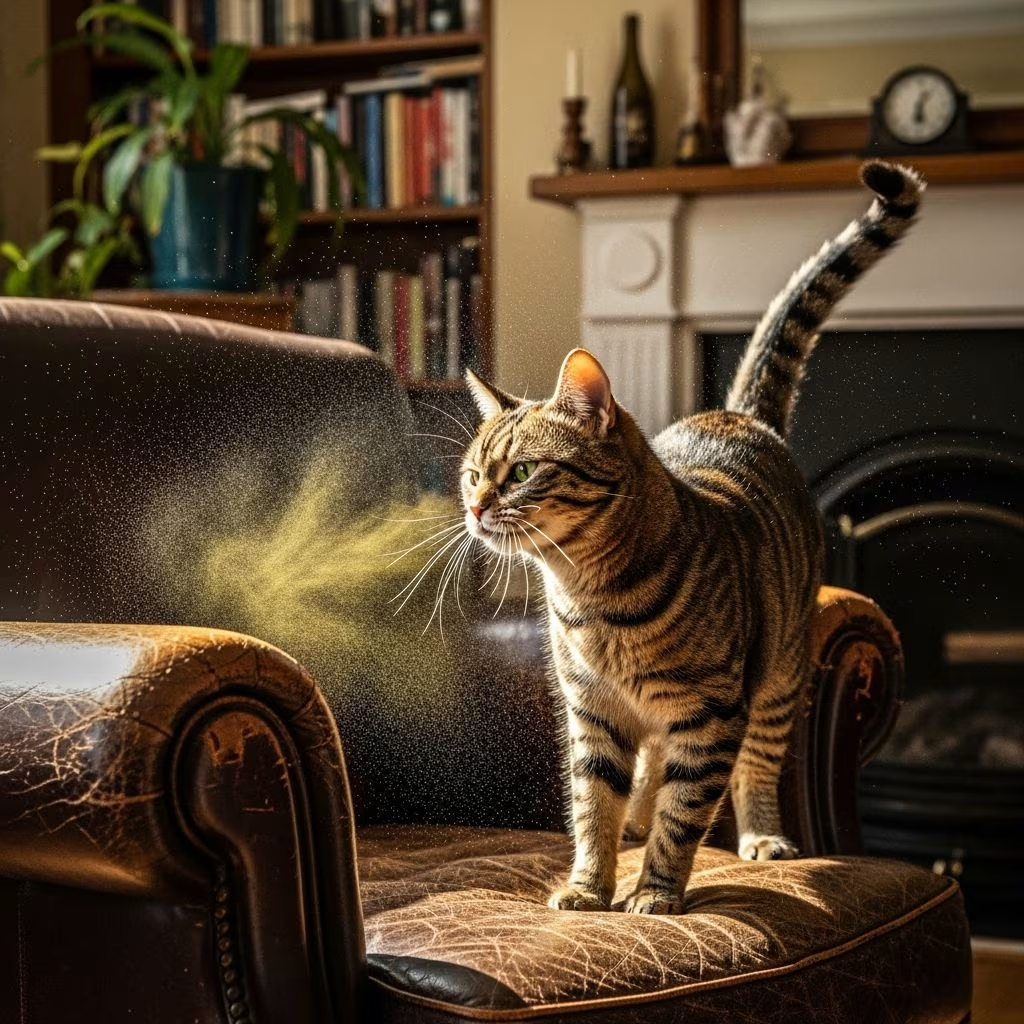
Indoor urine spraying by cats often signals underlying issues ranging from territorial instincts to health problems. Addressing it requires distinguishing between spraying and regular urination, pinpointing triggers, and implementing targeted fixes.
Distinguishing Spraying from Normal Urination
Cats communicate through urine marking, but indoor incidents confuse owners. Spraying involves a small amount of urine propelled onto vertical surfaces like walls or furniture, typically with the tail raised and quivering. This contrasts with urination, where cats squat to deposit larger volumes on horizontal spots such as floors or beds.
Spray urine often carries a stronger, musky odor and may appear gritty or discolored, while normal urine matches typical traits. Behavioral spraying links to stress or territory, whereas urination outside the box frequently ties to medical conditions or litter aversion.
| Aspect | Spraying | Urination |
|---|---|---|
| Posture | Standing, tail up | Squatting |
| Surface | Vertical (walls, curtains) | Horizontal (floor, bed) |
| Volume | Small amount | Large puddle |
| Odor | Musky, pungent | Standard urine smell |
Primary Reasons Cats Spray or Urinate Indoors
Multiple factors drive this behavior, split between medical, environmental, and instinctual causes. Veterinary evaluation rules out health issues first.
Health-Related Triggers
- Urinary Tract Infections (UTIs) and Cystitis: Inflammation causes frequent, painful urination, leading cats to avoid litter boxes. Symptoms include straining, blood in urine, and increased thirst.
- Kidney Disease or Diabetes: These boost urine output, overwhelming litter trays if not scooped regularly. Older cats may forget habits due to cognitive decline.
- Other Conditions: Arthritis limits box access, while pain from any source associates elimination with discomfort.
Consult a vet immediately for diagnostics like urinalysis, as untreated issues worsen.
Stress and Environmental Changes
Cats thrive on routine; disruptions provoke spraying to reclaim territory. Common stressors include:
- New pets, babies, or household moves altering scent profiles.
- Neighborhood cats visible through windows, prompting defensive marking.
- Traumatic events linking litter boxes to fear, like loud noises or attacks.
- Owner absences or routine shifts causing anxiety, with cats seeking comfort on scented items like beds.
Territorial and Mating Instincts
Intact cats spray more to signal mates or boundaries. Neutered cats rarely do so indoors unless stressed by external threats. Multi-cat homes spark resource guarding over food, toys, or boxes.
Step-by-Step Guide to Stopping Indoor Spraying
Combine veterinary care, cleaning, and habit retraining for success. Patience is key, as habits persist due to lingering scents.
1. Rule Out Medical Problems
Schedule a vet visit for bloodwork, urine tests, and exams. Treat infections with antibiotics or manage chronic conditions. Spay/neuter intact cats to curb hormonal drives—effectiveness reaches 90% in many cases.
2. Thorough Cleaning Protocols
Standard cleaners fail; use enzymatic products to break down urine proteins.
- Spray affected areas with biological detergents or surgical spirit, then rinse and dry.
- Apply odor neutralizers like Urine Off or Anti-Icky Poo.
- Scatter dry cat food kibble to deter returns via taste aversion.
Restrict access to soiled spots during retraining.
3. Optimize Litter Box Setup
Most cats need one box per cat plus one extra. Ideal specs:
| Feature | Recommendation |
|---|---|
| Location | Quiet, accessible, away from food/noise |
| Cleaning | Scoop daily; full change weekly |
| Litter Type | Unscented clumping; experiment if aversion suspected |
| Box Type | Open for seniors/arthritic cats; covered for privacy seekers |
Place a new box at the spraying site initially, gradually relocating it.
4. Reduce Stress and Block Stimuli
- Use pheromone diffusers like Feliway to mimic calming scents.
- Close blinds, add motion-activated deterrents outside, or use window films to hide stray cats.
- Enrich environment with vertical spaces, toys, and play to ease multi-cat tensions.
- Supplements like Zylkene support relaxation during transitions.
5. Behavioral Interventions
For persistent cases, aversion therapy or professional behaviorists help. Track incidents in a journal to identify patterns.
Special Considerations for Multi-Cat Homes
Competition intensifies marking. Provide separate resources:
- Individual feeding stations and beds.
- Boxes in different rooms to avoid bullying.
- Slow introductions for new cats, using scent swapping.
Monitor hierarchies; stressed subordinates spray to assert space.
Age-Specific Advice
Kittens rarely spray but may miss boxes from poor training. Seniors face mobility or cognitive challenges—use low-sided boxes and frequent checks.
Prevention Strategies for Long-Term Success
- Maintain routines to minimize stress.
- Neutering early prevents habit formation.
- Regular vet wellness exams catch issues proactively.
- Environmental enrichment keeps cats engaged.
Frequently Asked Questions (FAQs)
Will neutering stop spraying completely?
It resolves 80-90% of cases in intact cats, but stressed neutered cats may need additional interventions.
How long does retraining take?
Weeks to months; consistency accelerates progress. Track improvements weekly.
Is spraying always a health issue?
No, but vets must check first—10-20% of cases stem from UTIs or similar.
Can diet influence this behavior?
Indirectly; high-moisture foods reduce urine concentration, easing tract health. Consult vets for tailored plans.
What if cleaning doesn’t work?
Combine with pheromones and box tweaks. Seek certified behaviorists if unresolved after 4-6 weeks.
References
- Feline Behavior Problems: House Soiling — Cornell University College of Veterinary Medicine. 2023. https://www.vet.cornell.edu/departments-centers-and-institutes/cornell-feline-health-center/health-information/feline-health-topics/feline-behavior-problems-house-soiling
- Cat Spraying: Why Cats Do It and How to Stop It — PetMD. 2024-02-15. https://www.petmd.com/cat/general-health/cat-spraying-why-cats-do-it-and-how-to-stop-it
- Stop your Cat Spraying or Soiling in the House — Blue Cross. 2023. https://www.bluecross.org.uk/advice/cat/behaviour-and-training/stop-your-cat-spraying-and-soiling-in-the-house
- Urine Marking in Cats — ASPCA. 2024. https://www.aspca.org/pet-care/cat-care/common-cat-behavior-issues/urine-marking-cats
- Urinating Outside the Litter Box: What to do when it’s behavioral — Just Cats Clinic. 2023-10-01. https://justcatsclinic.com/urinating-outside-the-litter-box-what-to-do-when-its-behavioral/



