

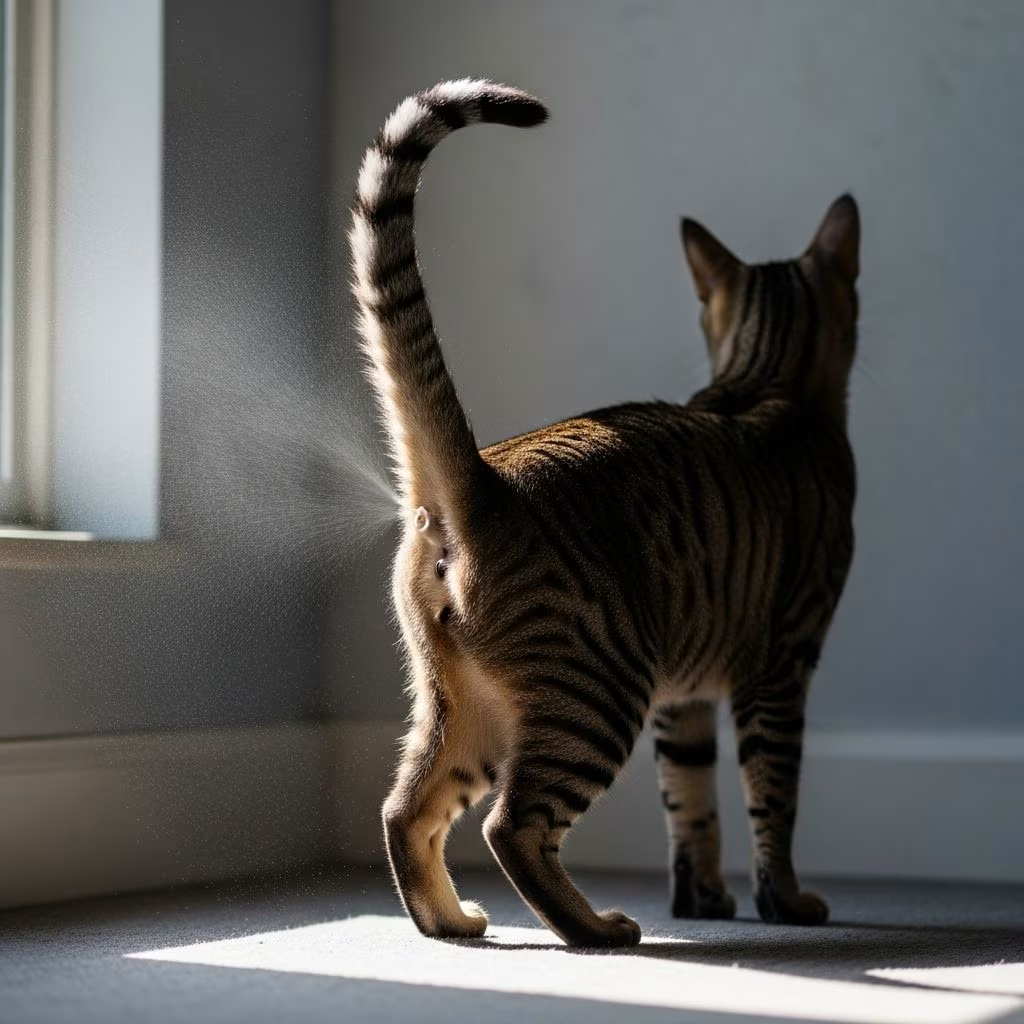
Cat spraying, a form of urine marking, is a natural communication method felines use to navigate their world. Unlike inappropriate elimination in the litter box, spraying involves small amounts of urine deposited on vertical surfaces such as walls, furniture, or curtains, often accompanied by a distinctive posture where the cat backs up, raises its tail, and quivers.
Distinguishing Spraying from Regular Urination
Understanding the difference between spraying and typical urination is crucial for addressing the issue correctly. Regular urination occurs in a squatting position with larger urine volumes in horizontal spots like the floor or litter box. Spraying, however, targets upright objects and serves as a scent signal rather than waste elimination.
- Posture cues: Tail raised vertically, hindquarters elevated, and possible treadling with front paws.
- Volume and location: Minimal urine on vertical surfaces, leaving a pungent odor.
- Frequency: Often repeated in the same spots to reinforce the message.
This behavior stems from instinctual needs but can become problematic indoors, signaling underlying issues that require targeted intervention.
Biological and Instinctual Drivers of Spraying
Cats spray primarily to communicate with others through pheromones in their urine. This territorial signaling helps establish presence and boundaries in their perceived domain.
Hormonal Influences in Intact Cats
Unneutered males and females frequently spray to advertise reproductive availability. Males mark to attract females, while females signal readiness. This peaks around sexual maturity, typically six months of age. Neutering or spaying dramatically reduces hormone-driven spraying in 90% of cases.
| Factor | Intact Males | Intact Females | Neutered/Spayed |
|---|---|---|---|
| Spraying Frequency | High | Moderate | Low (post-procedure) |
| Primary Motivation | Mating/territory | Mating signals | Stress/territory |
| Effectiveness of Sterilization | 85-95% reduction | 90% reduction | N/A |
Data drawn from veterinary observations shows sterilization as the most reliable first step for intact cats.
Territorial Marking in Shared Spaces
In multi-pet homes or near outdoor cats, spraying asserts dominance and delineates personal zones. New pets, visitors, or neighborhood felines visible through windows provoke defensive marking to reclaim space.
Environmental and Emotional Triggers
Beyond biology, psychological factors play a significant role. Cats are creatures of habit, and disruptions can prompt spraying as a coping mechanism.
Stress from Routine Disruptions
Moves, renovations, new family members, or schedule changes unsettle cats, leading to anxiety-fueled spraying. They mark familiar scents to restore security.
- New baby or furniture rearrangements.
- Altered feeding or play times.
- Household guests or absences.
Inter-Cat Dynamics and Resource Competition
Multi-cat households see heightened spraying due to rivalries over food, litter, or perches. Subtle tensions escalate without physical fights, prompting scent boundaries.
Dominance hierarchies influence this: assertive cats mark assertively, while anxious ones self-soothe through spraying.
External Stimuli Impact
Sight or smell of stray cats outside triggers indoor responses. Birds, garbage, or feeders attracting wildlife amplify territorial instincts.
Health-Related Causes to Rule Out
Before behavioral fixes, exclude medical issues. Urinary tract infections, bladder stones, diabetes, or arthritis can mimic spraying by causing discomfort or litter avoidance.
Veterinary diagnostics like urinalysis and bloodwork identify these; treating them often resolves symptoms.
Comprehensive Prevention and Management Strategies
Stopping spraying involves a multi-faceted approach addressing root causes while making the home less appealing for repeat offenses.
Surgical Interventions
Spay or neuter promptly, ideally before six months. This curbs 80-95% of cases linked to reproduction, per veterinary consensus.
Environmental Optimization
Create a low-stress habitat with ample resources to minimize conflicts.
- Litter provisions: One box per cat plus one extra; scoop daily, vary litter types if needed.
- Vertical expansion: Cat trees, shelves for personal territories.
- Resource abundance: Multiple feeding stations, water sources, and beds.
Cleaning Protocols
Enzymatic cleaners break down pheromones completely; ammonia-based products mimic urine and invite repeats. Thoroughly clean all incidents.
Blocking Provocations
Limit outdoor views with blinds, films, or barring access. Deter strays via motion sprinklers, citrus peels, or repellents like cayenne.
Calming Aids
Synthetic pheromones (diffusers, collars) replicate facial rubbing scents, reducing anxiety. Place in problem areas.
Behavioral Logging and Patience
Track incidents, triggers, and interventions in a journal to gauge progress. Avoid punishment, which heightens stress.
| Strategy | Implementation | Expected Outcome |
|---|---|---|
| Neutering | Schedule vet surgery | Reduce by 90% in weeks |
| Pheromone Diffusers | Plug in marked rooms | Calm within days |
| Extra Litter Boxes | Add one per cat +1 | Less competition |
| Cleaning | Enzymatic daily | No re-marking |
Special Considerations for Multi-Cat Homes
Resource scarcity fuels disputes. Implement ‘atmosphere of plenty’: spread essentials across rooms, add perches at varying heights. Slow introductions for new cats prevent initial spraying surges.
When to Consult Professionals
If spraying persists post-interventions, seek veterinary behaviorists. They assess complex stressors or recommend medications for severe anxiety.
FAQs
Will my neutered cat still spray?
Most stop, but 10-20% continue due to habit or stress. Combine with other strategies.
Is spraying a sign of aggression?
No, it’s communication, not hostility. Address underlying needs.
How long until changes work?
Weeks to months; consistency key. Track progress.
Can females spray too?
Yes, especially intact ones, though less than males.
Does punishment help?
No, it worsens stress and trust issues.
Long-Term Harmony with Your Cat
Managing spraying fosters a stronger bond. By empathizing with feline instincts and methodically applying solutions, owners reclaim clean homes and happy pets. Patience yields results, transforming frustration into understanding.
References
- Why Cats Spray and How to Prevent It — Harlingen Veterinary Clinic. 2023-10-15. https://harlingenveterinaryclinic.com/blog/cat-spraying/
- Why Is My Cat Spraying? Decoding This Cat Behavior — Animal Family Veterinary Care. 2024-05-22. https://animalfamilyveterinarycare.com/blog/cats-and-spraying/
- Feline Behavior Problems: House Soiling — Cornell University College of Veterinary Medicine. 2025-01-10. https://www.vet.cornell.edu/departments-centers-and-institutes/cornell-feline-health-center/health-information/feline-health-topics/feline-behavior-problems-house-soiling
- Why Is My Cat Spraying in the House and How Do I Stop It? — Best Friends Animal Society. 2024-08-03. https://bestfriends.org/pet-care-resources/why-my-cat-spraying-house-and-how-do-i-stop-it
- Cat Spraying: Why Cats Do It and How to Stop It — PetMD. 2025-02-14. https://www.petmd.com/cat/general-health/cat-spraying-why-cats-do-it-and-how-to-stop-it
- Urine Marking in Cats — ASPCA. 2024-11-28. https://www.aspca.org/pet-care/cat-care/common-cat-behavior-issues/urine-marking-cats



