
Cat Spraying Explained
Discover why cats spray urine, how to identify it, and proven strategies to stop this common behavior for a harmonious home.
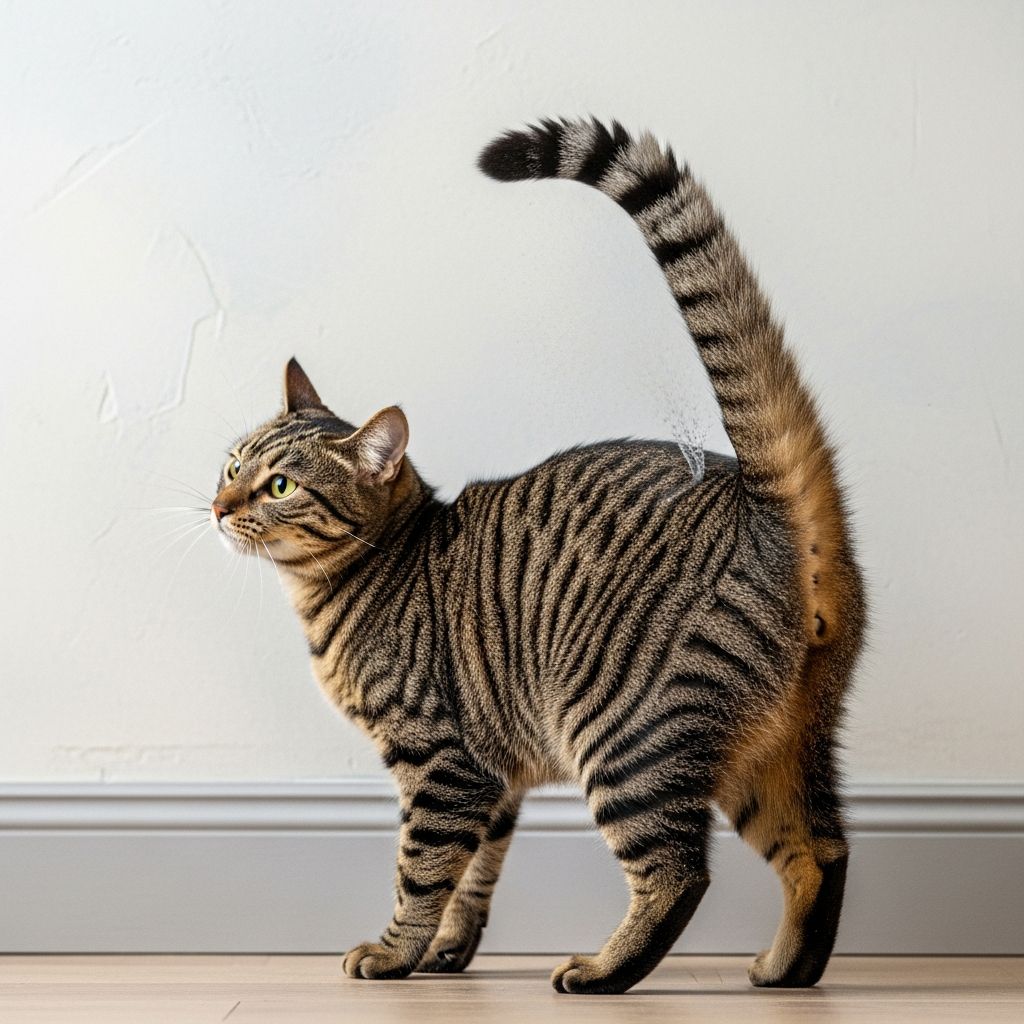
Cat spraying, a form of urine marking, occurs when cats back up to vertical surfaces and release small amounts of urine to communicate territory or stress. This instinctual behavior affects both males and females, though it’s more prevalent in unneutered individuals.
Distinguishing Spraying from Urination
Recognizing spraying helps in addressing it promptly. Typical urination involves squatting on horizontal surfaces with larger urine volumes, while spraying features a standing posture against walls or furniture, often with tail quivering and minimal urine. Odor and location also differ: spraying smells stronger due to concentrated pheromones and targets vertical spots like curtains or doors.
- Spraying: Vertical targets, small amounts, strong scent.
- Urination: Horizontal, larger puddles, milder smell.
Primary Causes of Feline Spraying
Cats spray for instinctual, environmental, or health-related reasons. Hormonal drives top the list, especially in intact cats seeking mates or asserting dominance.
Hormonal and Territorial Instincts
Unneutered males begin spraying around six months to mark presence and attract partners. Females may spray during heat cycles. Even neutered cats revert under stress, using urine as scent signals.
Stress and Environmental Changes
Household shifts like new pets, moves, or furniture rearrangements unsettle cats, prompting spraying as a coping mechanism. Neighborhood cats visible through windows trigger territorial responses.
Multi-Cat Household Dynamics
Competition for resources in homes with multiple cats leads to spraying. Insufficient litter boxes or feeding stations exacerbate tensions.
Health-Related Triggers
Underlying conditions such as urinary tract infections (UTIs), cystitis, bladder stones, or age-related cognitive decline can mimic or cause spraying. A veterinary exam rules out these issues.
| Cause Category | Examples | Prevalence |
|---|---|---|
| Hormonal | Unneutered cats, mating | High in intact males |
| Stress | New pets, moves | Common in changes |
| Multi-Cat | Resource competition | Frequent in groups |
| Medical | UTIs, stones | Requires vet check |
Step-by-Step Solutions to Stop Spraying
Effective management combines medical checks, behavioral adjustments, and environmental tweaks. Start with a vet visit to exclude health problems.
Sterilization as First-Line Defense
Neutering or spaying dramatically reduces spraying, particularly if done before six months. It curbs hormonal impulses in 90% of cases for young cats. For older cats, benefits persist but may be less complete if habits form.
Optimize the Litter Box Setup
Provide one litter box per cat plus one extra, placed in quiet, accessible spots. Experiment with litter types and keep boxes scooped daily. Dirty or shared boxes deter use, leading to spraying.
- Maintain cleanliness rigorously.
- Vary box sizes and entry styles.
- Separate in multi-cat homes.
Minimize Stress Factors
Enrich the environment with cat trees, toys, and hiding spots. Consistent routines prevent anxiety. Use pheromone diffusers mimicking calming facial scents to promote security.
Manage External Stimuli
Block views of outdoor cats with curtains, window films, or motion sprinklers. Secure yards with citrus sprays or vinegar to deter intruders.
Cleaning Protocols for Marked Areas
Enzymatic cleaners break down urine proteins and pheromones completely. Avoid ammonia-based products, which mimic urine and invite re-marking.
- Blot excess urine immediately.
- Apply enzymatic solution; let sit.
- Rinse and dry thoroughly.
Handling Multi-Cat Conflicts
Ensure ample resources: multiple food stations, water bowls, and perches. Interactive play builds confidence and redirects energy. If tensions persist, consult a behaviorist.
Advanced Interventions and Prevention
For persistent cases, synthetic pheromones like Feliway diffusers soothe nerves. Distract mid-spray with toys or sounds, avoiding punishment which heightens fear. Encourage alternative marking via scratching posts or cheek-rubbing cloths.
Preventive measures include early neutering and gradual introductions of new pets. Monitor seniors for cognitive issues prompting spraying.
Frequently Asked Questions
Will neutering always stop spraying?
Not 100%, especially in habituated adults, but it resolves most hormonal cases.
Can female cats spray?
Yes, though less common; stress or heat cycles trigger it.
How many litter boxes for two cats?
Three: one per cat plus one extra.
Is spraying a sign of illness?
Possibly; vet evaluation checks for UTIs or other issues.
What if cleaning doesn’t work?
Combine with pheromones and stress reduction.
Long-Term Management Strategies
Spraying often signals unmet needs. Track incidents in a journal noting timing and locations to pinpoint triggers. Regular vet check-ups catch emerging health issues early.
In multi-cat homes, observe interactions; separate feeding and play to foster peace. Enrichment like puzzle feeders boosts mental health, reducing anxiety-driven behaviors.
For outdoor stimuli, tech aids like automated deterrents maintain boundaries without stress. Patience is key—behavior changes take weeks.
References
- Why Cats Spray and How to Prevent It — Harlingen Veterinary Clinic. 2023. https://harlingenveterinaryclinic.com/blog/cat-spraying/
- Cat Spraying: Why Cats Do It and How to Stop It — PetMD. 2024-01-15. https://www.petmd.com/cat/general-health/cat-spraying-why-cats-do-it-and-how-to-stop-it
- How To Stop Cat Spraying (And Why Cats Do It in the First Place) — Chewy. 2023-05-10. https://www.chewy.com/education/cat/health-and-wellness/cat-spraying
- Cat Behavior Problems – Marking and Spraying Behavior — VCA Animal Hospitals. 2024. https://vcahospitals.com/know-your-pet/cat-behavior-problems-marking-and-spraying-behavior
- WHY IS MY CAT SPRAYING? — Colorado Feline Foster Rescue. 2022-06. https://coloradofelinefosterrescue.org/wp-content/uploads/2022/06/CBA-why-is-my-cat-spraying.pdf
Similar Articles








Read full bio of Sneha Tete




