
Cat Spraying: Causes, Prevention & Solutions
Learn why cats spray and discover effective strategies to prevent this common behavior.
Cat Spraying: Understanding This Common Feline Behavior
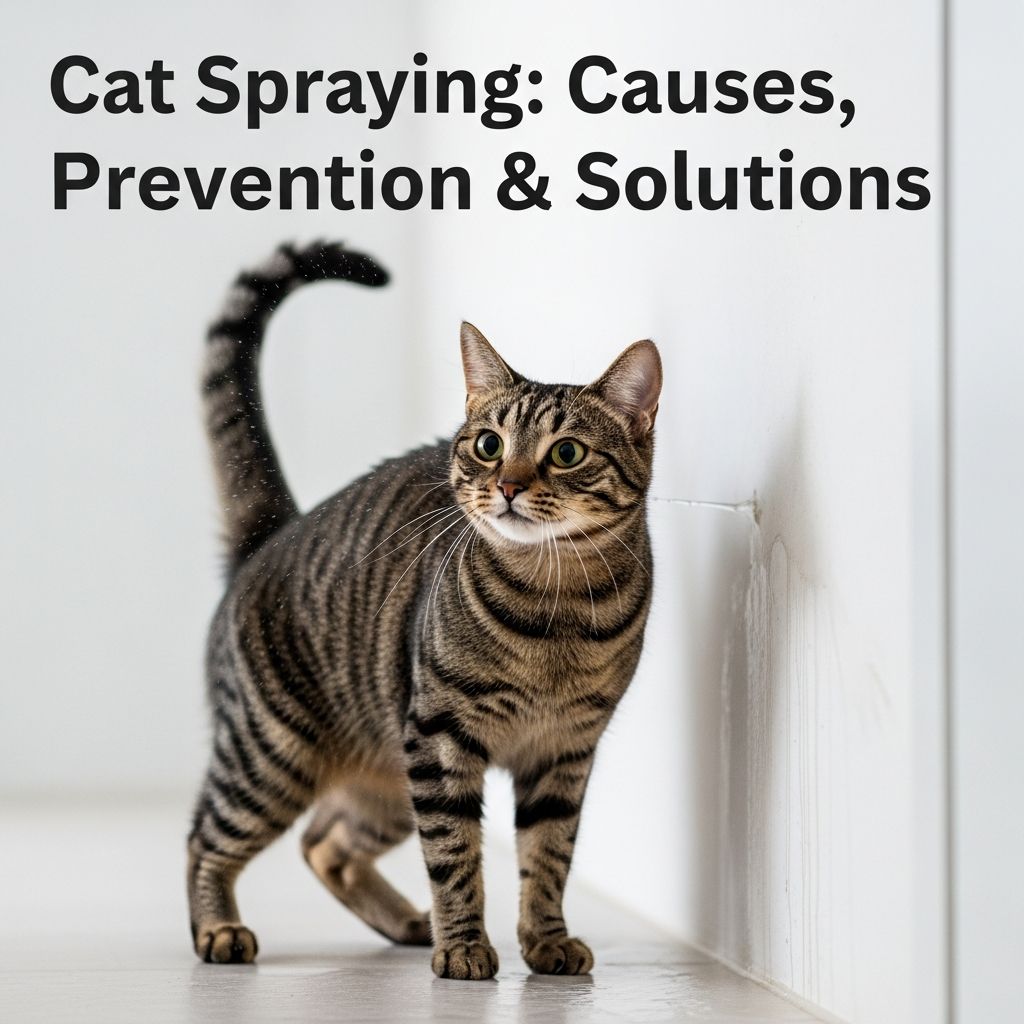
Cat spraying is one of the most frustrating behavioral issues that pet owners encounter. Unlike inappropriate urination, which involves a cat squatting on horizontal surfaces and releasing larger volumes of urine, spraying is a distinct marking behavior where cats back up to vertical surfaces with quivering tails and release small amounts of urine. Understanding why cats spray and how to address this behavior is essential for maintaining a harmonious household and strengthening your bond with your feline companion.
Spraying serves important communication functions in the feline world. Cats use this behavior to establish territory, communicate with other cats, manage stress, or signal their reproductive status. While this behavior is natural for cats, it can be problematic when it occurs inside your home. The good news is that with proper understanding and intervention, you can significantly reduce or eliminate spraying behavior.
Why Do Cats Spray?
Territorial Marking
Cats are naturally territorial animals, and spraying is one of their primary methods of establishing boundaries and claiming space. By depositing their scent on vertical surfaces, cats communicate to other felines that an area belongs to them. This territorial behavior is especially pronounced in homes with multiple cats or in situations where outdoor cats are visible through windows. Territorial spraying helps cats feel secure and in control of their environment.
Mating Behavior and Hormonal Influences
Unneutered male cats are significantly more likely to spray than their neutered counterparts. Intact males spray to attract mates and communicate their presence to female cats in the vicinity. This instinctual behavior typically begins around six months of age when cats reach sexual maturity. The hormonal drive to reproduce is a powerful trigger for spraying, which is why neutering is such an effective solution. Female cats may also spray when in heat or when responding to the presence of intact males.
Stress and Anxiety
Environmental stressors are major contributors to spraying behavior. Cats are sensitive creatures that thrive on routine and consistency. Any disruption to their environment can trigger anxiety and subsequent marking behavior. Common stressors include:
- Changes in household routine or feeding schedules
- Moving to a new home
- Introduction of new pets or family members
- Home renovations or furniture rearrangement
- New scents from cleaning products or air fresheners
- Loud noises or unfamiliar visitors
- Conflict with other household cats
When cats experience stress, they may spray to create a sense of familiarity and control in their environment, essentially surrounding themselves with their own comforting scent.
Medical Conditions
Before attributing spraying behavior to behavioral causes, it’s crucial to rule out underlying medical issues. Several health conditions can cause or contribute to spraying behavior, including:
- Urinary tract infections
- Bladder stones
- Kidney disease
- Metabolic disorders
- Other conditions causing inflammation of the urinary system
Your veterinarian may recommend blood work and urinalysis to identify any medical issues that could be contributing to the spraying behavior.
How to Identify Cat Spraying
Distinguishing between spraying and inappropriate urination is important for determining the appropriate solution. Spraying typically involves specific behavioral cues that differ from regular urination. A spraying cat will back up to a vertical surface, such as walls, furniture, or curtains, with a quivering tail and release a small amount of urine without crouching significantly. The posture and body language are distinctive, making it relatively easy to differentiate from regular litter box accidents.
In contrast, inappropriate urination involves a cat squatting on horizontal surfaces, such as floors, bedding, or rugs, and releasing larger volumes of urine. Understanding this distinction helps you identify the root cause and select the most effective intervention.
Prevention and Solutions for Cat Spraying
Veterinary Intervention and Medical Screening
The first and most important step in addressing cat spraying is scheduling a veterinary check-up. Your veterinarian can perform necessary tests, including blood work and urinalysis, to rule out medical conditions that may be contributing to the behavior. If an underlying health issue is identified, treating it often resolves or significantly reduces spraying. Never assume spraying is purely behavioral without first consulting with your veterinarian.
Spaying and Neutering
One of the most effective solutions for reducing spraying behavior is spaying or neutering your cat. Neutering is particularly effective in male cats, with success rates reaching 90-95% when performed before sexual maturity. This procedure removes the hormonal drive to spray and marks territory for reproductive purposes. Female cats also benefit from spaying, which helps prevent spraying behavior triggered by heat cycles or responses to intact males.
For best results, neutering or spaying should be performed before six months of age, ideally before spraying behavior develops as a habit. Even if your cat has already begun spraying, the procedure can still significantly reduce the behavior.
Environmental Management and Stress Reduction
Creating a stress-free, comfortable environment is essential for preventing spraying behavior. Consider implementing the following strategies:
Litter Box Management
Proper litter box care is fundamental to preventing spraying. Ensure your cat has access to clean, appealing litter boxes in quiet, low-traffic areas. The general rule is to provide one litter box per cat, plus one extra box. Cats are particular about their bathroom facilities, and insufficient litter box access can contribute to both inappropriate urination and spraying. Clean boxes daily and experiment with different types of litter or box locations to determine your cat’s preferences.
Pheromone Diffusers
Synthetic pheromone products, such as Feliway, can significantly reduce stress and prevent spraying behavior. These diffusers release synthetic versions of the natural calming pheromones that cats produce from glands on their faces. Placing diffusers in areas where your cat sprays or in high-traffic areas of your home creates a more calming atmosphere and encourages your cat to feel secure and at ease.
Adequate Resources and Safe Spaces
Ensure your cat has access to essential resources including food, water, and enrichment items. In multi-cat households, provide separate resources to minimize competition and territorial disputes. Create safe, quiet spaces where your cat can retreat and feel secure, such as cozy beds, hiding spots, and elevated perches. These safe spaces give cats a sense of control over their environment and help reduce anxiety.
Consistent Routine
Cats thrive on predictability and routine. Establish consistent schedules for feeding, playtime, and other activities. Maintaining stability in your cat’s daily routine helps them feel secure and reduces stress-related behaviors like spraying. Avoid sudden changes to feeding times, litter box locations, or other aspects of your cat’s routine whenever possible.
Environmental Enrichment
A mentally and physically stimulated cat is less likely to spray out of boredom or frustration. Provide interactive toys, puzzle feeders, and scheduled playtime to keep your cat engaged. Regular play sessions strengthen your bond with your cat and provide an outlet for their natural hunting instincts, promoting overall well-being and reducing stress.
Managing Multiple Cat Households
In homes with multiple cats, territorial disputes can trigger spraying behavior. To minimize conflict, ensure each cat has their own space, resources, and litter boxes. Separate resources prevent competition and help each cat feel secure. If introducing a new cat to your home, do so gradually to allow cats to acclimate to each other’s presence and scent.
Behavioral Modification Strategies
Positive Reinforcement
Rewarding your cat for using the litter box and engaging in desired behaviors reinforces positive habits. Use treats, praise, and affection to acknowledge and encourage appropriate bathroom behavior. Consistently acknowledging positive actions helps your cat understand what behaviors you appreciate, gradually discouraging spraying and promoting the use of litter boxes.
Never Punish Spraying
It’s critical to never punish your cat for spraying behavior. Punishment does not reduce the behavior; instead, it increases fear and stress, which typically exacerbates spraying and damages your relationship with your cat. Focus on positive reinforcement and environmental management rather than punishment-based approaches.
Reducing Environmental Stressors
Identify and eliminate sources of stress in your cat’s environment. This may include reducing loud noises, limiting exposure to unfamiliar visitors, minimizing changes to routine, or blocking views of outdoor cats that may trigger territorial responses. Creating a calm, quiet home environment helps your cat feel more at ease and significantly reduces the likelihood of stress-induced spraying.
Comparison of Management Strategies
| Strategy | Effectiveness | Timeline | Cost |
|---|---|---|---|
| Spaying/Neutering | 90-95% in intact males | Immediate to weeks | $200-$500 |
| Pheromone Diffusers | Moderate to High | 1-2 weeks | $20-$40/month |
| Environmental Management | Moderate to High | Ongoing | Minimal |
| Veterinary Treatment | Depends on condition | Varies | Varies |
| Behavioral Modification | Moderate | Weeks to months | $0-$200/session |
When to Seek Professional Help
If spraying behavior persists despite implementing prevention strategies, consult with your veterinarian or a certified animal behaviorist. Persistent spraying may indicate underlying medical issues that require professional diagnosis, or it may require specialized behavioral intervention. Early detection and intervention can prevent the development of chronic spraying habits and help maintain your cat’s overall well-being.
Frequently Asked Questions
Q: How can I tell the difference between cat spraying and inappropriate urination?
A: Spraying involves a cat backing up to a vertical surface with a quivering tail and releasing a small amount of urine. Inappropriate urination involves squatting on horizontal surfaces and releasing larger amounts of urine.
Q: Does neutering or spaying really reduce cat spraying?
A: Yes, spaying or neutering is highly effective in reducing spraying behavior, especially in male cats, with success rates of 90-95% when performed before sexual maturity.
Q: What are the most effective ways to stop my cat from spraying?
A: Effective solutions include spaying/neutering, identifying and reducing stressors, using pheromone products, maintaining clean litter boxes, providing adequate resources, and ensuring proper veterinary care to rule out medical issues.
Q: Can stress cause my cat to spray?
A: Yes, environmental stressors such as changes in routine, new pets, moving, or renovations can trigger spraying behavior. Creating a stable, stress-free environment can help reduce this behavior.
Q: Should I punish my cat for spraying?
A: No, punishment is not recommended as it increases fear and stress, which typically worsens spraying behavior and damages your relationship with your cat. Focus on positive reinforcement instead.
References
- Understanding Why Cats Spray: Causes, Solutions, and Prevention — PetsCare. 2024. https://www.petscare.com/news/post/understanding-cat-spraying-causes-solutions
- How to Stop a Cat From Spraying Indoors — Loveland Regional Animal Hospital. 2024. https://lovelandregional.com/blog/how-to-stop-a-cat-from-spraying-indoors/
- Why Cats Spray and How to Prevent It — Harlingen Veterinary Clinic. 2024. https://harlingenveterinaryclinic.com/blog/cat-spraying/
- Cat Spraying: Why Cats Do It and How to Stop It — PetMD. 2024. https://www.petmd.com/cat/general-health/cat-spraying-why-cats-do-it-and-how-to-stop-it
- Cat Behavior Problems – Marking and Spraying Behavior — VCA Animal Hospitals. 2024. https://vcahospitals.com/know-your-pet/cat-behavior-problems-marking-and-spraying-behavior
Similar Articles








Read full bio of Sneha Tete




