

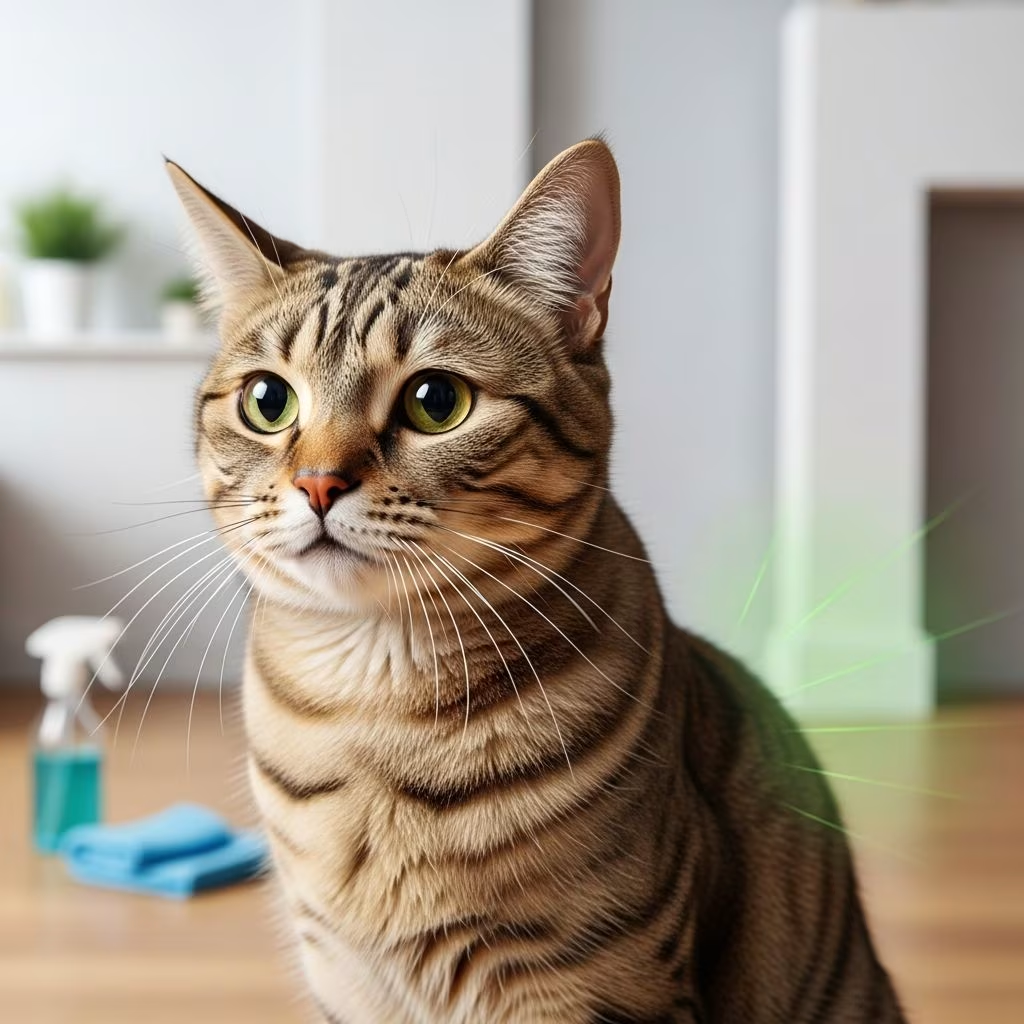
Cat spray carries a distinctive, overpowering aroma that no pet owner wants lingering in their space. Often described as a sharp ammonia tang blended with a heavy, musky note, this scent stems from concentrated pheromones and sets it apart from everyday cat urine. Recognizing this odor is the first step in tackling the issue effectively.
Decoding the Unique Aroma of Feline Spray
The smell of cat spray hits differently than standard urine. While normal pee might have a mild, fleeting sharpness, spray packs a punch with its ammonia-like bite mixed with oily, fishy, or earthy undertones. This potency arises because spray includes not just urine but extra secretions from anal glands rich in pheromones—chemical signals cats use for communication.
These pheromones make the odor cling stubbornly to fabrics, walls, and floors, resisting basic cleaning. Sources note variations: some detect a strong fishy whiff, others a deep musk that permeates the air. The scent’s staying power encourages repeat marking if not fully neutralized, turning a one-time event into a household plague.
Behavioral Roots: Why Cats Release This Potent Scent
Cats spray to communicate vital messages, primarily about territory and reproductive status. This instinctual act helps them navigate their world amid perceived threats or opportunities.
- Territorial Claims: In homes with multiple cats or nearby strays, spraying asserts dominance over shared spaces like doorways or windowsills.
- Reproductive Signals: Intact males broadcast availability to females via the musky pheromones, while females in heat may spray to draw attention.
- Stress Responses: Disruptions like new pets, furniture shifts, or owner absences spike anxiety, prompting cats to ‘refresh’ their scent for comfort.
Even neutered or spayed cats sometimes spray, though hormones amplify the behavior in intact ones. Understanding these triggers allows targeted interventions beyond punishment, which only heightens stress.
Spotting Spray Versus Standard Urination
Mistaking spray for a litter box mishap leads to misguided fixes. Key differences lie in posture, volume, and location.
| Aspect | Cat Spray | Normal Peeing |
|---|---|---|
| Posture | Cat backs to vertical surface (wall, sofa), tail raised and quivering | Cat squats low over horizontal surface |
| Volume | Small mist or fine stream | Large puddle |
| Location | Walls, furniture, curtains | Floors, rugs, beds |
| Odor Intensity | Highly pungent, musky/ammonia | Milder, dissipates faster |
Observe your cat: upright spraying with hind legs treading signals marking, not elimination issues like UTIs. Urine from spraying may appear gritty or off-colored due to glandular additives.
Step-by-Step Odor Elimination Strategies
Eradicating cat spray scent demands enzymatic action to dismantle proteins at a molecular level—regular cleaners merely mask it.
- Locate All Spots: Use a blacklight to reveal invisible stains glowing yellow-green.
- Blot Excess: Absorb fresh urine with paper towels; avoid rubbing to prevent deeper penetration.
- Apply Enzymatic Cleaner: Saturate the area with a pet-safe formula, let dwell as directed (often hours), then blot dry.
- Ventilate: Fans and open windows speed drying and disperse residues.
- Repeat if Needed: Stubborn odors may require multiple treatments.
Steer clear of ammonia or bleach—these mimic urine smells, inviting re-marking. For fabrics, washing with enzyme additives works wonders.
Long-Term Prevention Tactics for a Spray-Free Zone
Stopping spray requires addressing root causes while enriching your cat’s world.
- Sterilization: Neutering males and spaying females slashes spraying by 90% in most cases, curbing hormonal drives.
- Stress Busters: Pheromone diffusers like Feliway mimic calming scents; consult vets for anxiety meds if severe.
- Enrichment Boost: Tall cat towers, scratching posts, and puzzle feeders reduce boredom-fueled marking.
- Litter Optimization: Offer multiple clean boxes (n+1 rule for n cats), varied litters, and private spots.
- Environmental Tweaks: Block outdoor cat views with films or deterrents; gradual intros for new pets.
Track incidents in a journal to pinpoint patterns, adjusting as needed.
Health Checks: Rule Out Medical Mimics
Spraying often signals stress, but persistent cases warrant vet visits. Conditions like cystitis, diabetes, or arthritis can cause box avoidance mimicking spray. A urinalysis distinguishes behavioral from medical woes—early detection prevents escalation.
Frequently Asked Questions (FAQs)
Does cat spray smell worse than urine?
Yes, its pheromone load creates a sharper, longer-lasting musk or fishy stench.
Will my neutered cat still spray?
Possible, but rare—usually tied to stress, not hormones.
How do I clean dried spray?
Enzymatic cleaners penetrate deep; follow with baking soda vacuuming for absorption.
Can other pets trigger spraying?
Absolutely—new dogs or cats heighten territorial instincts.
Is punishment effective?
No; it amplifies fear and spraying cycles.
Real Owner Stories: Overcoming the Spray Challenge
Many guardians reclaim their homes post-spray. One reports: after neutering and adding shelves, episodes dropped to zero. Another used diffusers during a move, banishing the odor in weeks. Consistency pays off.
References
- Cat Spraying vs Peeing: What Does Cat Spray Smell Like? — Yalesville Veterinary Hospital. 2023. https://yalesvillevet.com/blog/what-does-cat-spray-smell-like/
- Why Do Cats Spray? | Cat Spraying vs Peeing — Litter-Robot. 2024. https://www.litter-robot.com/blog/why-do-cats-spray/
- Cat Spraying: Why Cats Do It and How to Stop It — PetMD (Christina Hawkins, DVM). 2024-01-15. https://www.petmd.com/cat/general-health/cat-spraying-why-cats-do-it-and-how-to-stop-it



