

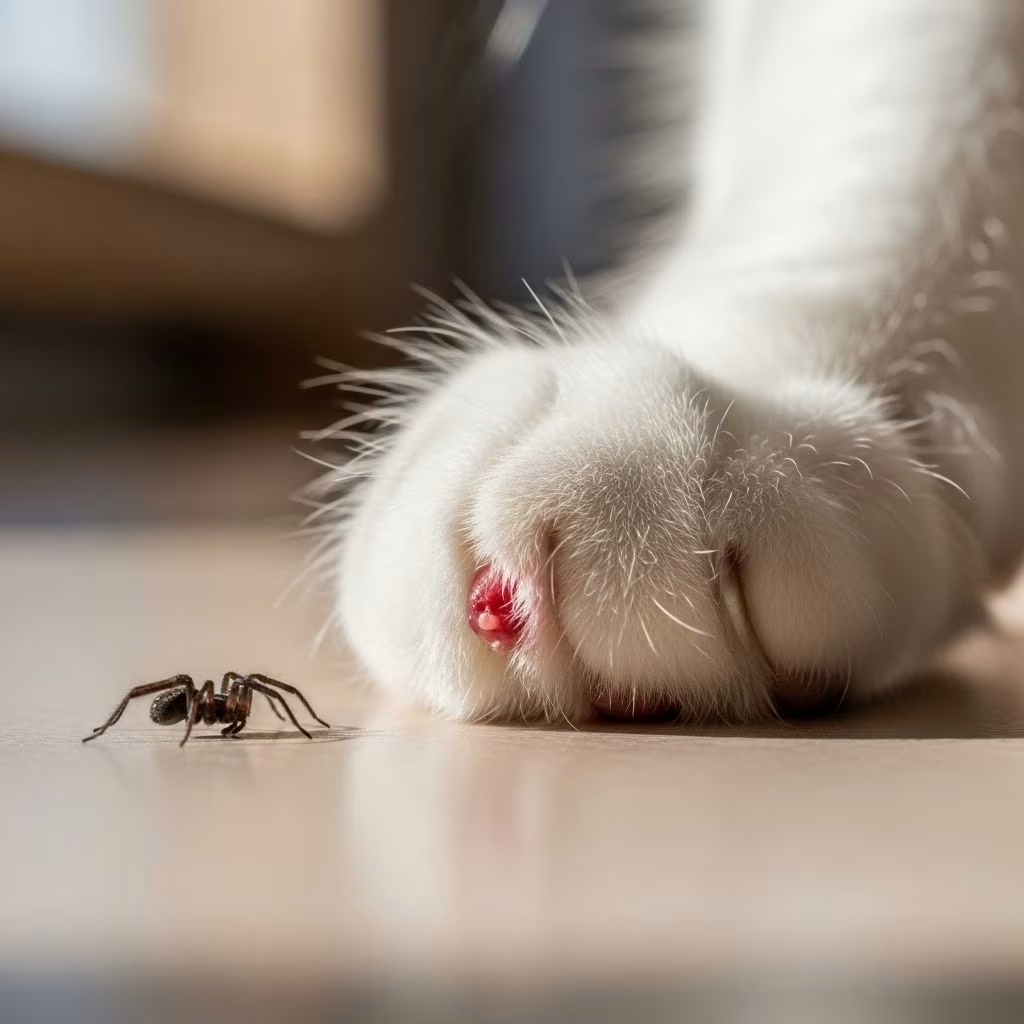
Spider bites pose a serious risk to cats, particularly from venomous species like black widow and brown recluse spiders. Prompt recognition and action can make the difference between full recovery and severe complications. This guide covers identification, immediate response, professional treatments, recovery processes, and proactive prevention measures.
Understanding the Risks of Spider Bites to Felines
Cats encounter spiders in garages, basements, woodpiles, and even indoors during warmer months. While most spiders deliver mild effects, certain types release potent venoms that target nerves or tissues. Black widow spiders produce neurotoxins causing muscle rigidity and systemic distress, while brown recluse spiders induce necrotic wounds through tissue destruction. Cats’ smaller size heightens their vulnerability, often leading to rapid symptom onset.
Geographic prevalence matters: black widows thrive in southern and western U.S. regions, whereas brown recluses favor the Midwest and South. Indoor cats aren’t immune if spiders enter via open windows or packages. Awareness of local spider populations helps owners stay vigilant.
Spotting the Signs of a Spider Bite in Your Cat
Symptoms vary by spider type but share initial cues like localized pain and agitation. For black widow bites, expect muscle tremors, abdominal rigidity, rapid breathing, and weakness within hours. Cats may vocalize excessively, salivate, or collapse. Brown recluse bites start subtly, progressing to pale skin centers, blistering, and ulceration over days, sometimes with fever or lethargy.
- Common early indicators: Swelling, redness, or puncture marks at the site.
- Black widow specifics: Spasms, paralysis, vomiting, hypertension.
- Brown recluse hallmarks: Necrosis, open sores, secondary infections.
- General alerts: Restlessness, hiding, refusal to eat.
Distinguishing bites from other injuries requires observation. If the bite site isn’t visible—common on paws or abdomen—focus on behavioral shifts. Document onset time and progression for veterinary reference.
Immediate First Aid for Suspected Bites
Time is critical upon suspicion. Confine your cat to a quiet, cool area to minimize movement and venom spread. Gently clean the site with mild soap and water, avoiding squeezing or aggressive manipulation. Apply a cold compress wrapped in cloth for 10-15 minutes to curb swelling and discomfort—never direct ice.
Monitor vital signs: check breathing, gum color, and responsiveness. Withhold food but offer small water sips if alert. Do not administer human medications like aspirin, as they can harm felines. Rush to a vet if symptoms escalate: seizures, labored breath, or immobility signal emergencies.
| Bite Type | First Aid Priority | Watch For |
|---|---|---|
| Black Widow | Cold compress, calm confinement | Tremors, paralysis |
| Brown Recluse | Gentle cleaning, cool pack | Blistering, fever |
| Unknown/Non-Venomous | Site wash, observation | Infection signs |
Professional Veterinary Interventions
Vets diagnose via history, physical exams, neurologic checks, and bloodwork revealing elevated enzymes or organ stress. Black widow cases demand hospitalization with IV fluids for hydration and toxin flushing, muscle relaxants (e.g., methocarbamol), pain control (opioids), and antivenom if available within 24 hours—often horse serum-based, resolving symptoms swiftly.
Brown recluse treatment lacks antivenom, emphasizing wound management: debridement, antibiotics against bacteria, dapsone for necrosis control, and pain relief. Severe necrosis may necessitate transfusions, grafting, or surgery. Supportive therapies like anti-nausea drugs and oxygen aid stability.
- IV hydration and monitoring.
- Tailored analgesics and anticonvulsants.
- Wound care protocols.
Navigating Recovery After Treatment
Post-hospitalization, cats face variable timelines. Black widow recovery spans days to weeks, with lingering weakness requiring home meds and rest. Brown recluse wounds heal over 1-8 weeks, demanding daily cleaning, bandages, and infection vigilance—full closure might take months.
Follow-up visits track progress via exams and labs. Nutrition supports healing: high-protein diets, hydration encouragement. Limit activity, provide soft bedding, and isolate from littermates to prevent wound aggravation. Prognosis improves with early intervention; cats rarely succumb if treated promptly.
Prevention Tactics for Spider-Free Homes
Proactive steps reduce risks significantly. Seal cracks, install screens, and vacuum dark corners weekly. Clear outdoor debris piles and use gloves for gardening or storage handling. Professional pest control targets infestations without harming pets.
Educate household members on spider ID: black widows feature red hourglasses; brown recluses have violin markings. Supervise outdoor cats and consider indoor-only lifestyles in high-risk areas.
- Regular home inspections.
- Pest-proofing entry points.
- Exterminator consultations.
Frequently Asked Questions
Can cats die from spider bites?
Yes, particularly black widow envenomation without swift care, due to neurotoxic effects. Brown recluse rarely causes death but leads to extensive wounds.
How long do symptoms last?
Black widow: hours to weeks post-treatment. Brown recluse: weeks to months for wound resolution.
Is antivenom always used?
For black widows, ideally within 24 hours; unavailable for brown recluses in the U.S..
What home remedies work?
Only cold compresses and cleaning—never delay vet visits for venomous suspicions.
Are indoor cats safe?
Not entirely; spiders hitchhike indoors. Maintain vigilance.
Long-Term Care and Monitoring
Survivors benefit from routine health checks to detect sequelae like chronic pain or scarring. Boost immunity via balanced nutrition, flea preventives, and stress reduction. Owners should log incidents for breed or regional patterns, aiding future preparedness.
In multi-pet homes, separate recovering cats and disinfect environments. Emotional support through gentle interaction aids psychological rebound from painful ordeals.
References
- Black Widow Spider Bite Poisoning in Cats — PetMD. 2023. https://www.petmd.com/cat/poisoning/black-widow-spider-bite-poisoning-cats
- Brown Recluse Spider Bites in Cats — Vetster. 2024. https://vetster.com/en/conditions/cat/brown-recluse-spider-bites-in-cats
- Black Widow Spider Bite in Cats Vet Guide 2025 — Ask A Vet. 2025. https://askavet.com/blogs/news/black-widow-spider-bite-in-cats-vet-guide-2025
- Spider Bites — VCA Animal Hospitals. 2024. https://vcahospitals.com/know-your-pet/spider-bites
- Identifying and Treating Bug Bites in Cats — Just Cats Clinic. 2023. https://justcatsclinic.com/identifying-and-treating-bug-bites-in-cats/



