

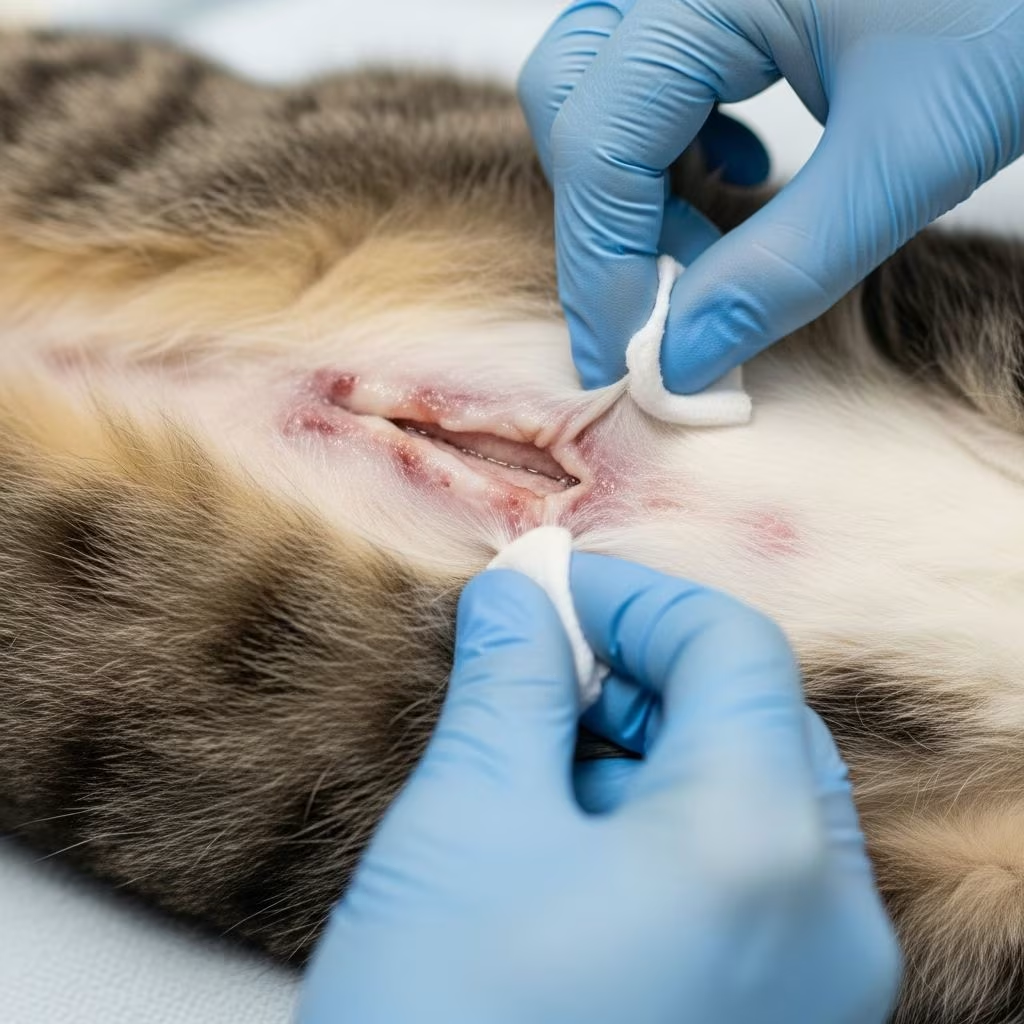
After a spay surgery, cat owners often notice minor changes in the incision site, such as a slight opening. This can be normal in early healing stages but requires vigilant monitoring to avoid serious issues like infection or dehiscence. Understanding the recovery process helps ensure your feline companion heals properly within the typical 10-14 day timeline.
Understanding the Spay Surgery Incision
Spaying involves removing the ovaries and uterus through a small abdominal incision, usually 1-2 inches long. Veterinarians close the site with absorbable internal sutures and sometimes external ones or surgical glue. A healthy incision starts pink and clean, with edges touching closely. Slight separation early on may occur due to natural swelling or minor strain, but it should close quickly with rest.
Post-operative swelling peaks in the first 48 hours as the body responds to trauma. This inflammation causes tissue expansion, potentially creating a small gap if the cat moves excessively. Most gaps under 1/4 inch close naturally by day 5 if kept clean and protected.
Normal vs. Problematic Incision Appearance
Distinguishing routine healing from trouble is crucial. Here’s what to expect:
- Clean and dry site: Ideal state with no pus, blood, or odor. Mild pinkness fades over days.
- Minimal swelling: Soft puffiness reducing daily; hard or hot areas signal issues.
- Slight serous fluid: Clear ooze is okay initially; yellow/green discharge means infection.
- Scab or crust: Forms as healing progresses, indicating tissue repair.
A slightly opened incision appears as a narrow gap with sealed edges. If underlying tissue shows without heavy bleeding or foul smell, monitor closely. Persistent gaping beyond 3 days, excessive redness spreading outward, or your cat’s pain (limping, hiding) demands immediate vet attention.
Step-by-Step Daily Monitoring Guide
Check the incision twice daily in good light. Gently part fur if needed, but avoid touching. Document changes with photos for your vet.
| Day Post-Surgery | Expected Look | Action if Slight Opening |
|---|---|---|
| 1-2 | Mild red, swollen, possible tiny gap | Enforce rest, e-collar on |
| 3-5 | Edges closing, less swell | Clean if dirty, watch licking |
| 6-10 | Dry, scabbed, gap <1mm | Limit activity, vet check sutures |
| 11-14 | Closed, hair regrowth | Gradual normal activity |
This timeline assumes no complications. Adjust based on your vet’s suture type—dissolvable ones avoid removal visits.
Home Care Strategies for Slight Incision Opening
Support healing at home without over-intervening, as excessive handling risks contamination.
Prevent Licking and Chewing
Cats groom instinctively, introducing bacteria. Use an Elizabethan collar (cone) for 10-14 days or a recovery suit. Ensure fit prevents access; soft alternatives reduce stress.
Activity Confinement
Confine to a single room or crate for 7-10 days. Block jumps from furniture using baby gates. No play chasing or stairs to avoid abdominal strain.
Gentle Cleaning Techniques
If soiled, wipe with sterile saline (boiled cooled water + pinch salt). Pat dry; no soaps or hydrogen peroxide, which delay healing. Cover loosely with breathable gauze if needed, changing daily.
Pain Relief and Nutrition
Follow prescribed meds exactly. Offer small, frequent soft food meals. Hydration aids recovery—wet food helps.
Recognizing Infection and Complications
Slight openings can worsen if infected. Infection stages prolong recovery:
- Stage 1 – Inflammation: Extended redness/heat.
- Stage 2 – Debridement: Pus buildup, tissue slough.
- Stage 3 – Repair: Slow granulation, fragile new skin.
- Stage 4 – Maturation: Scar forms weeks later.
Key red flags: fever (rectal over 103°F), lethargy beyond 48 hours, vomiting, or gap widening to expose fat/muscle. These need antibiotics or re-suturing.
When to Contact Your Veterinarian Urgently
Don’t wait if:
- Gap exceeds 1/2 inch or deepens.
- Any pus, blood pooling, or stench.
- Cat refuses food 48+ hours or seems in distress.
- Swelling increases after day 3.
Call immediately; most issues resolve with prompt care. Vets may clean, culture swab, or sedate for repair.
Preventing Incision Issues Before They Start
Proactive steps minimize risks:
- Pre-op: Ensure cat is healthy, fasted properly.
- Post-op: Immediate cone application, quiet space.
- Follow-up: Attend suture checks at 10 days.
Studies show e-collar use cuts infection rates by 50% in felines.
Long-Term Recovery and Full Activity Resumption
By week 3, internal healing nears completion. Introduce play gradually, monitoring for dehiscence. Full hair regrowth takes 4-6 weeks, masking the scar. Spayed cats often gain energy without heat cycles, reducing roaming risks.
Frequently Asked Questions (FAQs)
Is a small opening in my cat’s spay incision normal?
Yes, minor gaps from swelling close in 3-5 days with rest. Persistent ones need vet evaluation.
How long until the spay wound fully heals?
Surface closure by 10-14 days; internals up to 4 weeks. Restrict activity throughout.
Should I clean a slightly opened incision myself?
Use saline only if dirty; otherwise, hands-off. Consult vet first.
What if my cat removes the cone?
Try recovery suits or bitter sprays. Persistent removal warrants a vet visit for alternatives.
Can infection from a slight opening spread internally?
Rare but possible peritonitis risk; watch for systemic signs like fever.
Expert Tips for Stress-Free Recovery
Enrich confinement with toys, perches. pheromone diffusers calm anxiety. Track weight—slight gain is common, adjust diet.
With diligent care, 95% of cats recover uneventfully. Your vigilance ensures a smooth path back to pouncing.
References
- Cat Spay Incision Healing Process — Sustainable Vet. 2024. https://www.sustainablevet.org/blog/cat-spay-incision-healing-process
- Cat Spay Incision Healing Process: Everything You Need to Know — Yalesville Vet. 2024. https://yalesvillevet.com/blog/cat-spay-incision-healing-process/
- What Should a Healing Cat Spay Incision Look Like? — Penny Paws. 2024. https://pennypaws.com/blog/what-should-a-healing-cat-spay-incision-look-like/
- Cat Spay & Neuter Recovery Guide — Bliss Animal Hospital. 2024. https://blissanimalhospital.com/blog/what-to-expect-after-cat-spay-or-neuter-surgery/
- Care of Surgical Incisions in Cats — VCA Animal Hospitals. 2024. https://vcahospitals.com/know-your-pet/care-of-surgical-incisions-in-cats



