

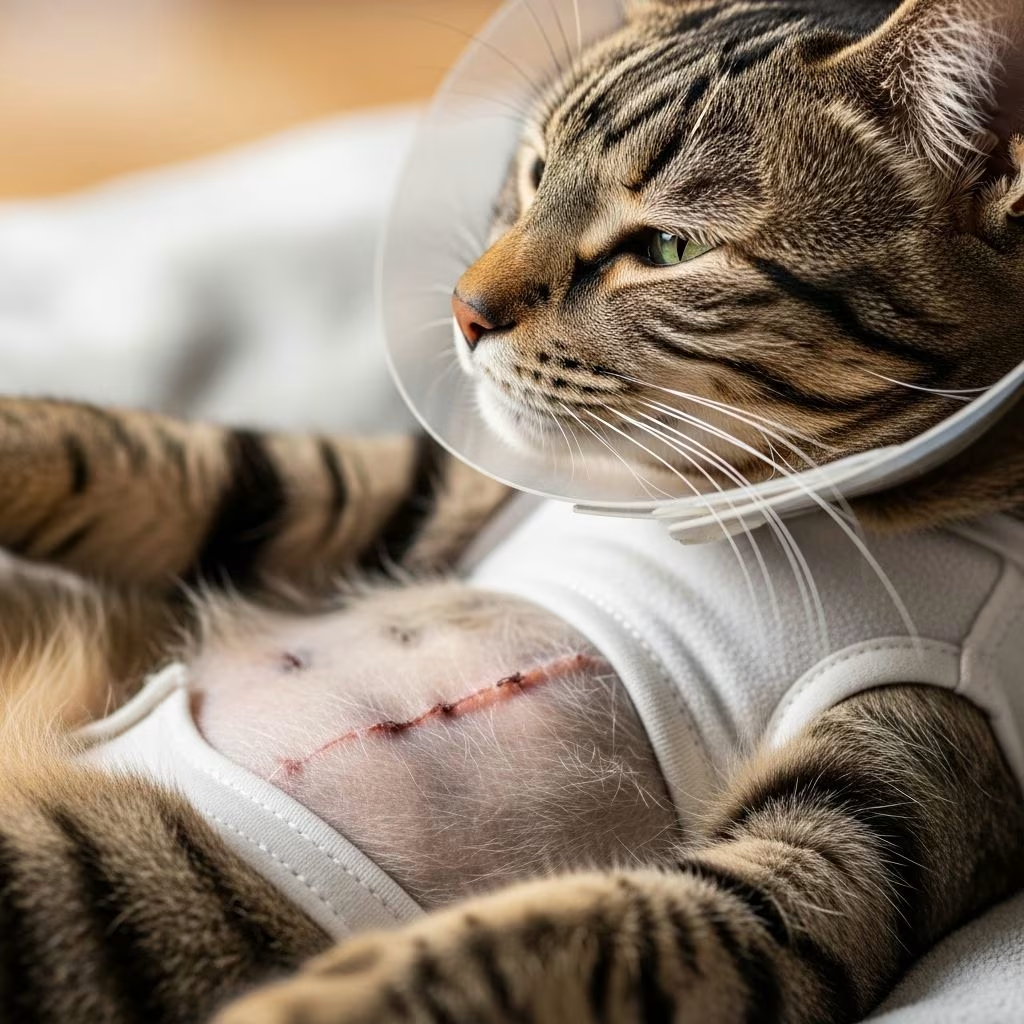
After a cat spay surgery, proper wound management is crucial for preventing complications and promoting swift recovery. Most felines heal within 10-14 days, but vigilant daily checks can make all the difference in identifying issues early.
Understanding the Spay Procedure and Initial Wound Formation
Spaying involves removing the ovaries and uterus through a small abdominal incision, typically 1-2 inches long. Veterinarians use absorbable internal sutures to close deeper layers, with skin closed via stitches, staples, or glue. Immediately post-op, the site shows controlled inflammation as the body initiates repair.
Owners often notice subtle changes right away. The area may feel warm due to natural blood flow increase, and a thin serous fluid layer can form as a protective barrier. These are standard responses, not causes for alarm unless they intensify.
Normal Healing Progression: A Day-by-Day Breakdown
Healing unfolds in distinct phases, each with expected visual and behavioral cues. Tracking these helps distinguish routine recovery from trouble.
Days 1-2: Acute Inflammatory Phase
In the initial 48 hours, expect mild redness, puffiness, and possible bruising around the cut. Your cat might act subdued, eat less, and sleep more—effects of anesthesia and pain meds. The wound stays sealed with edges touching; minor clear seepage is okay, but no heavy bleeding should occur.
- Limited appetite and low energy are typical.
- Ensure hydration by offering fresh water.
- Apply any prescribed topical treatments gently.
Days 3-7: Tissue Repair and Closure
Swelling peaks then recedes as new cells bridge the gap. The site turns drier, pinkish hue fades, and edges knit tighter. Appetite rebounds, but restrict play to avoid strain.
| Day Range | Expected Appearance | Cat Behavior |
|---|---|---|
| 3-5 | Decreasing swell, clean edges | Increasing alertness |
| 6-7 | Dry surface, minimal pinkness | Normal eating, some restlessness |
Days 8-14: Maturation and Strengthening
By week two, the exterior looks nearly normal—dry, flat, with faint scab or early hair growth. Internal layers continue firming; suture removal happens if non-absorbable types were used. Full strength returns over 3-4 weeks, so ease activity gradually.
Key Monitoring Checklist for Daily Inspections
Examine the incision twice daily in good light. Note changes via photos for vet comparisons.
- Cleanliness: No pus, blood, or foul smells.
- Color: Faint pink okay initially; spreading red flags infection.
- Size: No gaping or protrusion of tissues.
- Temperature: Slightly warm normal; hot suggests issues.
- Behavior: No obsessive grooming or limping.
Tools like a soft light and magnifying glass aid close views without disturbing your pet.
Preventing Licking and Self-Trauma
Cats groom instinctively, risking bacteria introduction or stitch loss. Barriers are non-negotiable.
- E-collar (cone): Standard for 7-14 days; size properly to block access.
- Recovery suits: Fabric alternatives for comfort, launder daily.
- Bitter sprays: Supplemental deterrent on fur edges.
Monitor adjustment; distraction with toys helps tolerance.
Activity Restrictions to Safeguard the Wound
High jumps or chases can dehisce the site. Confine to a single room or crate setup.
- No stairs, counters, or furniture for 10-14 days.
- Use baby gates for multi-level homes.
- Supervised short walks only after day 7.
Gradual reintroduction prevents overexertion.
Red Flags: When to Contact Your Vet Immediately
Not all issues self-resolve; prompt action averts abscesses or hernias.
| Warning Sign | Possible Cause | Action |
|---|---|---|
| Excessive redness/swelling | Infection, allergy | Call same day |
| Pus or bloody discharge | Bacterial invasion | Urgent visit |
| Wound opening >1/4 inch | Dehiscence | Emergency care |
| Lethargy >48 hours | Systemic issue | Evaluate promptly |
Err on caution; better safe than facing prolonged treatment.
Cleaning and Pain Relief Protocols
Avoid baths; moisture softens scabs. If soiled, dab with saline (1 tsp salt per cup boiled water, cooled).
- Pat dry immediately.
- No hydrogen peroxide—delays closure.
- Administer pain meds exactly as prescribed.
Comfort reduces stress, aiding immunity.
Nutrition and Environment for Faster Recovery
Boost healing with high-protein wet food; add omega-3 supplements if vet-approved. Keep space draft-free, 70-75°F, with soft bedding away from litter scatter.
- Fresh meals stimulate appetite.
- Litter box nearby minimizes strain.
- Quiet reduces anxiety.
Long-Term Outcomes and Follow-Up Care
Most cats resume full activity by month-end, scar fading over time. Schedule recheck at 10-14 days for clearance. Spaying benefits—cancer prevention, behavior stabilization—far outweigh temporary inconvenience.
Frequently Asked Questions
Is slight incision separation normal after spay?
Minor edge separation under 1/8 inch with no discharge often seals naturally, but monitor closely and consult vet if unchanged in 24 hours. Larger gaps need professional closure.
How long until my cat acts normal post-spay?
Energy returns by day 3-5; full vigor by week 2 with restrictions. Patience prevents setbacks.
Can I remove the cone early?
Only if vet confirms healing and no grooming attempts. Premature removal risks infection.
What if there’s clear fluid from the wound?
Slight serous leak is common early; if persistent or yellowing, seek advice to rule out seroma.
Does fur regrowth indicate full healing?
Hair sprouting around day 10-14 signals progress, but internals heal longer—maintain care.
References
- Cat Spay Incision Healing Process — Sustainable Vet. 2024. https://www.sustainablevet.org/blog/cat-spay-incision-healing-process
- Cat Spay Incision Healing Process: Everything You Need to Know — Yalesville Vet. 2024. https://yalesvillevet.com/blog/cat-spay-incision-healing-process/
- What Should a Healing Cat Spay Incision Look Like? — Penny Paws. 2024. https://pennypaws.com/blog/what-should-a-healing-cat-spay-incision-look-like/
- Cat Spay & Neuter Recovery Guide — Bliss Animal Hospital. 2024. https://blissanimalhospital.com/blog/what-to-expect-after-cat-spay-or-neuter-surgery/
- Cat Spay Recovery Timeline — Main Street Veterinary Center. 2024. https://mainstreetvetcenter.com/blog/cat-spay-recovery-timeline/
- How Long Should a Cat Rest After Being Spayed? — Parker Animal Care. 2024. https://www.parkeranimalcare.com/how-long-should-a-cat-rest-after-being-spayed/
- Care of Surgical Incisions in Cats — VCA Animal Hospitals. 2024. https://vcahospitals.com/know-your-pet/care-of-surgical-incisions-in-cats



