
How Long Does It Take a Cat to Recover from Being Spayed?
Complete guide to cat spay recovery: timeline, care tips, and what to expect.
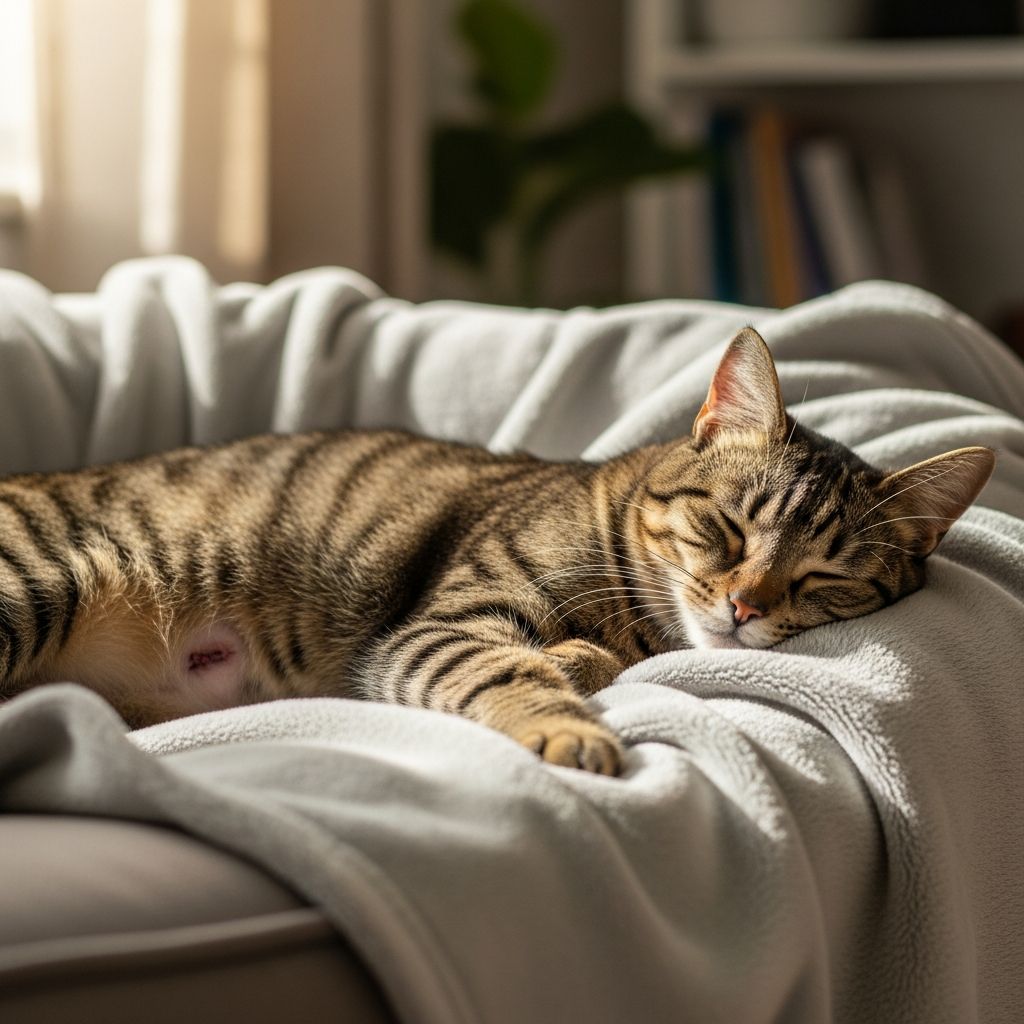
Spaying is one of the most common surgical procedures performed on female cats, and it’s an important step in responsible pet ownership. While the surgery itself is routine and generally safe, understanding the recovery process is crucial for ensuring your cat heals properly and comfortably. The recovery timeline varies depending on your cat’s age, overall health, and how well you follow post-operative care instructions. Most cats recover fully within 10 to 14 days, though complete internal healing can take several weeks.
Understanding the Spay Surgery
Spaying, or ovariohysterectomy, is a major abdominal surgical procedure in which the veterinarian removes the ovaries and uterus from your female cat. Because it involves an incision into the abdominal wall and internal suturing, it’s more invasive than neutering in male cats. This is why female cats typically require a longer recovery period than their male counterparts. The procedure is performed under general anesthesia, which means your cat will be unconscious during surgery and will need time to recover from the effects of the anesthesia once the procedure is complete.
Immediate Recovery: The First 24 Hours
The hours immediately following surgery are critical for your cat’s safety and comfort. When your cat returns home after spay surgery, she will likely be groggy, disoriented, or drowsy from the anesthesia. This is completely normal and should gradually wear off within 24 hours. During this initial recovery phase, your cat may:
- Sleep more than usual
- Be less responsive to stimuli
- Move cautiously or stumble when walking
- Have little to no appetite
- Show reduced interest in water
It’s essential to provide a quiet, safe, and confined space during these first hours. Keep your cat in a warm, comfortable area away from other pets and children. Make sure water is easily accessible, though your cat may not be interested in drinking right away. Avoid handling your cat excessively, as this may increase stress and interfere with the healing process. If you notice anything concerning, such as excessive lethargy, a complete lack of interest in water, or difficulty breathing, contact your veterinarian immediately.
Days 1 to 3: Initial Healing Phase
As your cat emerges from the grogginess of anesthesia, you’ll notice a gradual return to her normal self, though she may still seem subdued. During this critical phase, the incision is at its most vulnerable. You may notice slight swelling, redness, or mild bruising around the incision site. This is normal and should begin to improve within a few days. Your veterinarian will likely have provided pain medication to keep your cat comfortable during this time, and it’s important to follow the dosage instructions carefully.
During days 1 to 3, activity should remain severely restricted. Your cat should stay indoors in a confined space, such as a single room or a large crate. This prevents her from jumping, running, or engaging in activities that could stress the incision site. Watch the incision closely for any signs of redness, swelling, discharge, or opening of the stitches. If your cat is licking or biting at the incision, your veterinarian may recommend an E-collar (cone) to prevent further irritation. It’s also important to keep the incision clean and dry—avoid bathing your cat during this period.
Days 4 to 7: Gradual Improvement
By day 3 to 4, most cats start feeling noticeably better. You may notice her appetite returning to normal and her interest in play slowly coming back. However, it’s crucial to maintain strict activity restrictions during this phase. The incision is still healing internally, and jumping, running, or rough play can strain the wound and cause complications such as swelling, infection, or reopening of the stitches. During days 5 to 7, your cat may attempt to return to her usual activities as she feels better, but you must resist allowing this.
Continue to monitor the incision site daily. The area should gradually begin to close, and any bruising or swelling should continue to subside. If your cat is still excessively licking the area, keep the E-collar in place. Avoid bathing your cat during this time, as moisture can interfere with the healing process. Light activity can begin to resume around day 5 for some cats, but this should only include short walks in a confined area. No jumping, climbing, or playing is permitted.
Days 8 to 14: Final Healing Phase
By the second week, your cat should be much more active and appear to be back to her normal self. However, the incision is still in the final stages of healing, and restrictions should remain in place. Most cats require at least 10 to 14 days of restricted activity following spay surgery. During this period, continue to monitor the incision for any signs of problems. By day 10 to 14, the external stitches may begin to dissolve if your veterinarian used absorbable sutures, or they may need to be removed at a scheduled follow-up appointment if non-absorbable sutures were used.
Avoid allowing your cat to jump from heights, climb stairs, or engage in vigorous play until your veterinarian gives approval. You should also keep your cat indoors during this entire recovery period to prevent outdoor hazards from causing stress to the healing incision. If your cat normally has outdoor access, she must remain strictly indoors for the entire 10 to 14 days to reduce the risk of infection, trauma, or other complications.
Recovery Timeline: Day-by-Day Breakdown
| Recovery Phase | Timeline | What to Expect | Activity Level |
|---|---|---|---|
| Immediate Post-Op | Day 0 | Groggy, disoriented, drowsy, reduced appetite, abdominal soreness | Rest only, minimal movement |
| Early Recovery | Days 1–3 | Licking risk begins, mild swelling or bruising, appetite gradually returns | Confined to small space, no jumping |
| Active Healing | Days 4–7 | Energy returns, appetite normal, incision begins closing, bruising subsides | Short walks in confined area only |
| Late Healing | Days 8–14 | Incision nearly healed, stitches may dissolve or need removal, cat feels almost normal | Gradually increasing, but no jumping or climbing |
| Full Recovery | Day 14+ | Vet confirms full healing, external wound closed, internal healing continues | Return to normal with vet approval |
Post-Operative Care Essentials
Pain Management
Your veterinarian will prescribe pain medication to keep your cat comfortable during recovery. It’s important to give the medication exactly as prescribed, even if your cat appears to feel better. Pain relief allows your cat to rest comfortably, which promotes faster healing. Never give your cat over-the-counter pain medications without explicit veterinary approval, as some common human pain relievers can be toxic to cats.
Incision Monitoring
Check the incision site at least once daily. The area should be clean and dry. Watch for signs of complications, including excessive redness, warmth, swelling, discharge, opening of the stitches, or a foul odor. Some mild redness and slight swelling immediately after surgery is normal, but these should gradually improve. If you notice any concerning changes, contact your veterinarian promptly.
Activity Restriction
This is perhaps the most important aspect of post-operative care. Restricting your cat’s activity prevents stress on the incision and reduces the risk of complications. Confine your cat to a small space, such as a single bedroom or large crate, where she can move around slowly but cannot jump or run. Use baby gates to prevent access to stairs or elevated surfaces. Do not allow your cat to engage in vigorous play, jumping on furniture, or chasing toys for at least 10 to 14 days.
Litter Box Management
Your cat will need access to a litter box, but getting in and out may be difficult or uncomfortable during the first few days. Use a low-sided litter box or a disposable box that’s easy for your cat to access. Place it in the confined recovery area. Monitor your cat’s bathroom habits—straining or difficulty urinating or defecating should be reported to your veterinarian immediately.
Bathing and Moisture
Keep the incision clean and dry. Do not bathe your cat for at least 10 to 14 days after surgery, as water can interfere with healing. If the incision needs to be cleaned, use a damp cloth and gently pat the area dry. Avoid any products or treatments on the incision unless specifically instructed by your veterinarian.
E-Collar Use
If your cat is licking or chewing at the incision, your veterinarian may recommend an E-collar (cone). This plastic cone fits around your cat’s neck and prevents her from accessing the surgical site. While many cats resist wearing an E-collar, it’s essential if excessive licking is occurring, as it prevents infection and reopening of the wound. Leave the E-collar on as instructed, and only remove it for supervised eating and drinking if your cat is having difficulty.
When Can Your Cat Resume Normal Activities?
After the initial 10 to 14 days of rest, you can slowly reintroduce normal activity. Start with short supervised play sessions lasting just a few minutes, gradually increasing the duration as your cat shows no signs of complications. Avoid allowing your cat to jump from heights, climb stairs, or engage in intense play until your veterinarian confirms that the incision has fully healed. Complete internal healing can take several weeks, even though the external wound appears healed. Your veterinarian will typically schedule a follow-up appointment around day 10 to 14 to check the incision and give you approval to gradually return to your cat’s regular routine.
Special Considerations for Outdoor Cats
If your cat normally has outdoor access, she must remain strictly indoors for the entire 10 to 14 day recovery period. Outdoor activity significantly increases the risk of complications, including infection, trauma to the incision, and contact with dirt or debris that could contaminate the surgical site. Outdoor cats face additional hazards such as rough surfaces, other animals, and weather conditions that could interfere with healing. During recovery, create an enrichment zone indoors with climbing structures, toys, and window perches to keep your cat mentally stimulated while maintaining physical rest.
Signs of Complications
While most cats recover without problems, it’s important to recognize signs that something may be wrong. Contact your veterinarian immediately if you notice:
- Excessive swelling, redness, or warmth around the incision
- Discharge, pus, or foul odor from the incision
- Stitches that have opened or separated
- Your cat excessively licking or chewing the incision despite an E-collar
- Lethargy or depression lasting more than 24 hours after surgery
- Loss of appetite lasting more than 24 hours
- Difficulty urinating or defecating
- Vomiting or diarrhea
- Signs of pain such as whimpering or aggression when the incision area is touched
- Difficulty breathing or excessive panting
Follow-Up Veterinary Care
Your veterinarian will typically schedule a follow-up appointment around day 10 to 14 after surgery. During this visit, the veterinarian will examine the incision to ensure it’s healing properly, remove non-absorbable stitches if necessary, and address any concerns you may have. This appointment is an excellent opportunity to discuss when your cat can resume normal activities and to ask any questions about the recovery process. Don’t hesitate to contact your veterinarian if you have concerns before the scheduled follow-up appointment.
Frequently Asked Questions
Q: How long does it take for a cat to fully recover from being spayed?
A: Most cats recover within 10 to 14 days of restricted activity. However, complete internal healing can take several weeks. Your veterinarian will confirm when your cat can resume normal activities.
Q: Can my cat eat and drink immediately after surgery?
A: It’s best to wait a few hours before offering food and water, as your cat may be nauseous from anesthesia. Start with small amounts of water, and if she keeps it down, offer a small meal. Follow your veterinarian’s specific instructions regarding feeding.
Q: When can my cat go back outside after being spayed?
A: Your cat should remain strictly indoors for at least 10 to 14 days after surgery. Outdoor activity increases the risk of complications. Your veterinarian will advise when it’s safe to resume outdoor access.
Q: Is it normal for my cat to be sleepy after spaying?
A: Yes, sleepiness and grogginess are completely normal in the first 24 hours after surgery due to residual anesthesia. Your cat should gradually become more alert as the day progresses.
Q: What should I do if the incision starts bleeding?
A: Minor oozing is normal, but active bleeding is not. If you notice blood dripping or significant bleeding, contact your veterinarian immediately, as this may indicate a complication.
Q: Can I bathe my cat during recovery?
A: No, do not bathe your cat for at least 10 to 14 days after surgery. Water can interfere with incision healing. If cleaning is necessary, use a damp cloth and gently pat the area dry.
Q: How much pain will my cat be in after surgery?
A: Your cat will experience some discomfort, which is why pain medication is prescribed. If your cat seems to be in significant pain despite medication, contact your veterinarian, as this could indicate a complication.
Q: What if my cat won’t stop licking the incision?
A: Excessive licking can cause infection and reopen the wound. Ask your veterinarian about using an E-collar (cone) to prevent your cat from accessing the surgical site.
References
- Cat Spay & Neuter Recovery Guide — Bliss Animal Hospital. 2025. https://blissanimalhospital.com/blog/what-to-expect-after-cat-spay-or-neuter-surgery/
- How to Care for Your Cat After Spay/Neuter Surgery — Green Family Veterinary Clinic. 2025. https://greenfamilyvet.com/how-to-care-for-your-cat-after-spay-and-neuter-surgery/
- Cat Spay Recovery: How Long Should Your Cat Rest After Surgery — Parker Animal Care. 2025. https://www.parkeranimalcare.com/how-long-should-a-cat-rest-after-being-spayed/
- Cat Spay Recovery Timeline — Main Street Veterinary Center. 2025. https://mainstreetvetcenter.com/blog/cat-spay-recovery-timeline/
- Cat Spay Incision Healing Process: Everything You Need to Know — Yalesville Veterinary Hospital. 2025. https://yalesvillevet.com/blog/cat-spay-incision-healing-process/
- Spayed Cat Aftercare: How To Care For Your Cat After Surgery — PetMD. 2025. https://www.petmd.com/cat/general-health/spayed-cat-aftercare
- Caring for Your Pet After Surgery — Vetstreet. 2025. https://www.vetstreet.com/care/caring-for-your-pet-after-surgery
Similar Articles








Read full bio of Sneha Tete




