

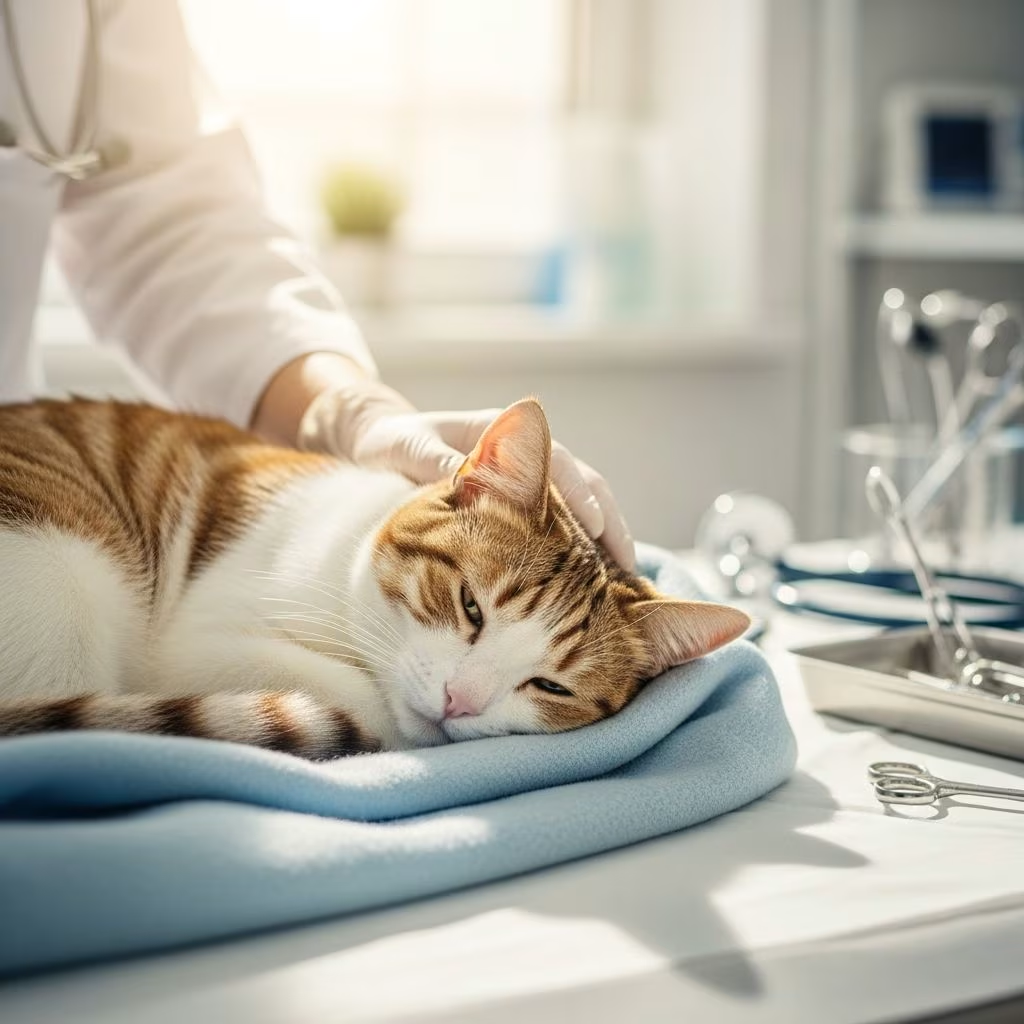
Cat Spay/Neuter: What to Expect and Why It’s Important
One of the most important decisions you can make as a cat owner is whether to spay or neuter your feline companion. These surgical procedures are among the most commonly performed veterinary operations and offer numerous benefits for your cat’s health and behavior. Understanding what to expect before, during, and after the procedure can help you make an informed decision and prepare your pet for a smooth recovery.
Why Should I Spay or Neuter My Cat?
Spaying or neutering your cat provides compelling reasons that extend far beyond simple population control. When you choose to spay or neuter your cat, as well as community cats (free-roaming cats who live outdoors), you actively participate in preventing unwanted births and reducing overpopulation in animal shelters. This single decision can have a profound impact on the lives of countless felines.
Population Control and Shelter Impact
The statistics surrounding cat overpopulation are staggering. Millions of cats are euthanized every year simply because there aren’t enough homes for them. By spaying or neutering your cat, you directly contribute to reducing this number. Every litter prevented represents multiple lives that won’t face an uncertain future in shelters. Early pediatric spaying and neutering, performed as early as eight weeks old, is becoming increasingly common and offers the added assurance that no unwanted litters will occur.
Behavioral Benefits
Beyond population control, spaying or neutering reduces or eliminates sexual behaviors in cats that people generally consider a nuisance. In most male cats—regardless of their age when neutered—neutering reduces roaming, urine spraying, and fights with neighborhood cats. For female cats, the solution is equally transformative. The plaintive howling of female cats in heat is completely eliminated when they’re spayed. This means no more anxious behavior, excessive vocalization, or stressed attempts to escape in search of a mate.
Health and Longevity Advantages
The health benefits of spaying and neutering are substantial and well-documented through numerous scientific studies. One of the most significant findings is that spayed and neutered cats generally enjoy longer lifespans. Beyond longevity, these procedures protect your cat from serious diseases. The chance of developing reproductive organ and mammary cancer is lessened or eliminated through spaying or neutering.
For female cats specifically, spaying before their first heat cycle offers the best prevention against uterine, ovarian, and breast cancers. Spayed females do not develop uterine infections and are less likely to develop mammary tumors. For male cats, neutering prevents testicular cancer and reduces the risk of prostate problems.
Reduced Risk of Disease Transmission
Neutering can also reduce the chance of your cat contracting feline leukemia and feline immunodeficiency virus through transmission from other cats. This is especially true in male cats, since neutered males are less likely to fight, reducing their chances of contracting these communicable diseases via wounds and bites.
Understanding the Spay and Neuter Procedures
What is Spaying?
Spaying is a surgical procedure most commonly performed by removing the ovaries and uterus of female cats. This procedure is performed under general anesthesia, ensuring that your cat does not feel any pain during the surgery. The procedure renders female cats sterile, preventing them from ever going into heat or becoming pregnant.
What is Neutering?
Neutering is the surgical removal of the testicles of male cats. Like spaying, this procedure is performed under general anesthesia, and the cat experiences no pain during the operation. Neutering renders male cats sterile and eliminates their ability to father kittens.
Health Advantages of Spaying and Neutering
The health benefits of these procedures are comprehensive and significant for both male and female cats:
| Benefit Category | Female Cats (Spaying) | Male Cats (Neutering) |
|---|---|---|
| Cancer Prevention | Eliminates risk of ovarian and uterine cancer; significantly reduces mammary tumor risk, especially if done before first heat | Prevents testicular cancer; reduces prostate cancer risk |
| Infection Prevention | Eliminates risk of pyometra (life-threatening uterine infection) | Reduces risk of prostate infections and enlargement |
| Longevity | Studies demonstrate longer lifespan due to reduced disease risk | Studies demonstrate longer lifespan due to reduced disease risk |
| Behavioral Issues | Eliminates heat cycles and associated behaviors | Reduces aggression, roaming, and territorial marking |
Behavioral Improvements After Surgery
Changes in Female Cats
Spayed female cats experience significant behavioral improvements. They will no longer experience heat cycles, which means no more excessive vocalization, anxiety, or restless pacing. The dramatic reduction in these behaviors makes for a more peaceful household environment. Additionally, spayed females are generally less likely to attempt to escape outdoors in search of a mate.
Changes in Male Cats
Neutered male cats show remarkable behavioral improvements as well. They are less likely to spray urine to mark territory, engage in aggressive behaviors, and roam if they get outside. The hormonal drive that compels unneutered males to seek mates and defend territory is significantly diminished, resulting in a more docile and content companion. Neutering reduces unwanted behaviors such as marking, aggression, and roaming, which not only improves your home environment but also reduces your cat’s exposure to injuries and diseases.
Community and Environmental Impact
The benefits of spaying and neutering extend beyond individual pet owners to impact entire communities. Fewer stray and feral cats mean decreased spread of diseases like toxoplasmosis, parasites, and rabies. When cats are neutered and confined indoors (as is recommended), they have smaller territories and are less likely to roam, which can lead to reduced hunting of native wildlife—producing a healthier balance in urban ecosystems.
Preventing unwanted litters also means that animal shelter resources can be directed toward cats already in need rather than being stretched thin trying to care for surplus animals. This systemic benefit helps entire shelter systems function more effectively.
What to Expect During the Procedure
Pre-Operative Preparation
Before your cat undergoes spaying or neutering, your veterinarian will provide specific pre-operative instructions. Typically, you’ll be asked to withhold food and water for several hours before the procedure, as general anesthesia requires an empty stomach. Your veterinarian may recommend blood work to ensure your cat is healthy enough for surgery, particularly important for older cats or those with underlying health conditions.
During the Surgery
The procedure itself typically takes 30 minutes to an hour, depending on the cat’s age, size, and overall health. Your cat will be placed under general anesthesia before the procedure begins, ensuring complete comfort throughout the surgery. The veterinarian will make a small incision and carefully remove the reproductive organs. Modern veterinary techniques have made these procedures routine and safe.
Immediate Post-Operative Period
Your cat will spend several hours in the veterinary clinic recovering from anesthesia. Most cats are alert and ready to go home within a few hours, though they may still be slightly groggy. Your veterinarian will provide you with detailed post-operative instructions before you take your cat home.
Post-Operative Care and Recovery
Expected Recovery Timeline
There may be mild discomfort after the surgery, which can be lessened with pain medication. Most cats return to normal activity within 24-72 hours. However, complete healing of the internal incision takes longer, typically two to three weeks. It’s important to follow your veterinarian’s instructions carefully during this recovery period to ensure proper healing and prevent complications.
Pain Management
Your veterinarian will likely prescribe pain medication to keep your cat comfortable during the initial recovery period. Follow the dosing instructions precisely, and watch for signs that your cat is in pain, such as excessive licking at the incision site, reduced appetite, or lethargy beyond the first day.
Activity Restrictions
During the recovery period, limit your cat’s activity to allow the incision to heal properly. Avoid allowing your cat to jump excessively, run, or engage in rough play. Keep your cat indoors during recovery to prevent the incision from getting dirty or contaminated. If your cat has access to windows, ensure they can’t jump to high places that might strain the incision.
Incision Care
Keep the incision clean and dry. Your veterinarian will provide specific instructions on how to care for the incision site. Some cats may need to wear an Elizabethan collar (cone) to prevent them from licking or biting at the incision. Check the incision daily for signs of infection, including excessive redness, swelling, discharge, or if the stitches come loose.
Diet and Medication
Feed your cat a light diet the night after surgery and return to their normal diet the following day, unless your veterinarian advises otherwise. Continue administering any prescribed medications exactly as directed. If your cat seems to be having difficulty eating or vomiting, contact your veterinarian immediately.
Addressing Common Concerns
Will Spaying or Neutering Affect My Cat’s Personality?
A common misconception is that spaying or neutering will change your cat’s fundamental personality. This is not true. Your cat’s personality will still be there after the surgery. If your cat was playful and cuddly before spaying or neutering, he or she will continue to love on you and be your best friend. The procedure only affects reproductive behaviors and hormonal drives, not your cat’s affection or individual temperament.
Early Spaying and Neutering
Pediatric spaying and neutering, performed as early as eight weeks old, is becoming increasingly common and is considered safe and effective. Studies of cats up to three years after early spaying/neutering have demonstrated no adverse effects. Early spay/neuter ensures that there will be absolutely no unwanted litters, providing maximum protection against contributing to cat overpopulation.
Frequently Asked Questions
Q: At what age should I spay or neuter my cat?
A: Most veterinarians recommend spaying or neutering between 8-16 weeks of age. However, the procedure can be performed at various ages. Consult with your veterinarian to determine the best timing for your individual cat.
Q: Will my spayed or neutered cat gain weight?
A: Spayed and neutered cats may have a slightly slower metabolism, but weight gain is not inevitable. Maintaining appropriate portion sizes and regular exercise will keep your cat at a healthy weight.
Q: How much does spaying or neutering cost?
A: Costs vary depending on your location and veterinary clinic. Many animal shelters and rescue organizations offer low-cost spay/neuter services. Contact your local veterinarian or animal shelter for pricing information.
Q: Is spaying or neutering safe?
A: Yes, spaying and neutering are among the safest surgical procedures performed in veterinary medicine. However, all surgeries carry some risk. Discuss any concerns with your veterinarian before the procedure.
Q: What should I do if my cat’s incision becomes infected?
A: Contact your veterinarian immediately if you notice signs of infection such as excessive redness, swelling, discharge, or if the stitches come loose. Do not attempt to treat the infection yourself.
Making the Responsible Choice
Spaying and neutering your cat is one of the most responsible decisions you can make as a pet owner. The procedure offers substantial health benefits, behavioral improvements, and contributes to reducing the serious problem of cat overpopulation. Domestic cats rely on humans for their well-being, and spaying and neutering prevent suffering caused by overpopulation and its consequences, making it a responsible and ethical choice for cat owners.
By choosing to spay or neuter your cat, you are not only investing in your individual pet’s long-term health and happiness but also making a positive contribution to the broader animal welfare community. Your veterinarian can answer any additional questions you may have and help you prepare your cat for this important procedure.
References
- The Many Benefits of Spaying and Neutering — Second Chance Animal Center. 2024. https://2ndchanceanimalcenter.org/the-many-benefits-of-spaying-and-neutering/
- Cat Spay/Neuter: What to Expect and Why It’s Important — Best Friends Animal Society. 2024. https://bestfriends.org/pet-care-resources/cat-spayneuter-what-expect-and-why-its-important
- The Importance of Spaying and Neutering Cats — Cat Care Society. 2024. https://www.catcaresociety.org/the-importance-of-spaying-and-neutering-cats/
- Health Benefits of Spaying or Neutering Your Cat — Hill’s Pet Nutrition. 2024. https://www.hillspet.com/cat-care/healthcare/benefits-of-neutering-a-cat
- Top 9 Reasons to Spay or Neuter Your Cat — Beverly Park Animal Hospital. 2024. https://www.bpah.net/blog/top-9-reasons-to-spay-or-neuter-your-cat
- The Role of Spaying and Neutering in Preventing Health Issues — Alvin Animal Clinic. 2024. https://alvinanimalclinic.com/blog/the-role-of-spaying-and-neutering-in-preventing-health-issues
- Benefits of Spaying and Neutering Your Pets — Ross University School of Veterinary Medicine. 2024. https://veterinary.rossu.edu/about/blog/why-spay-and-neuter-pets



