

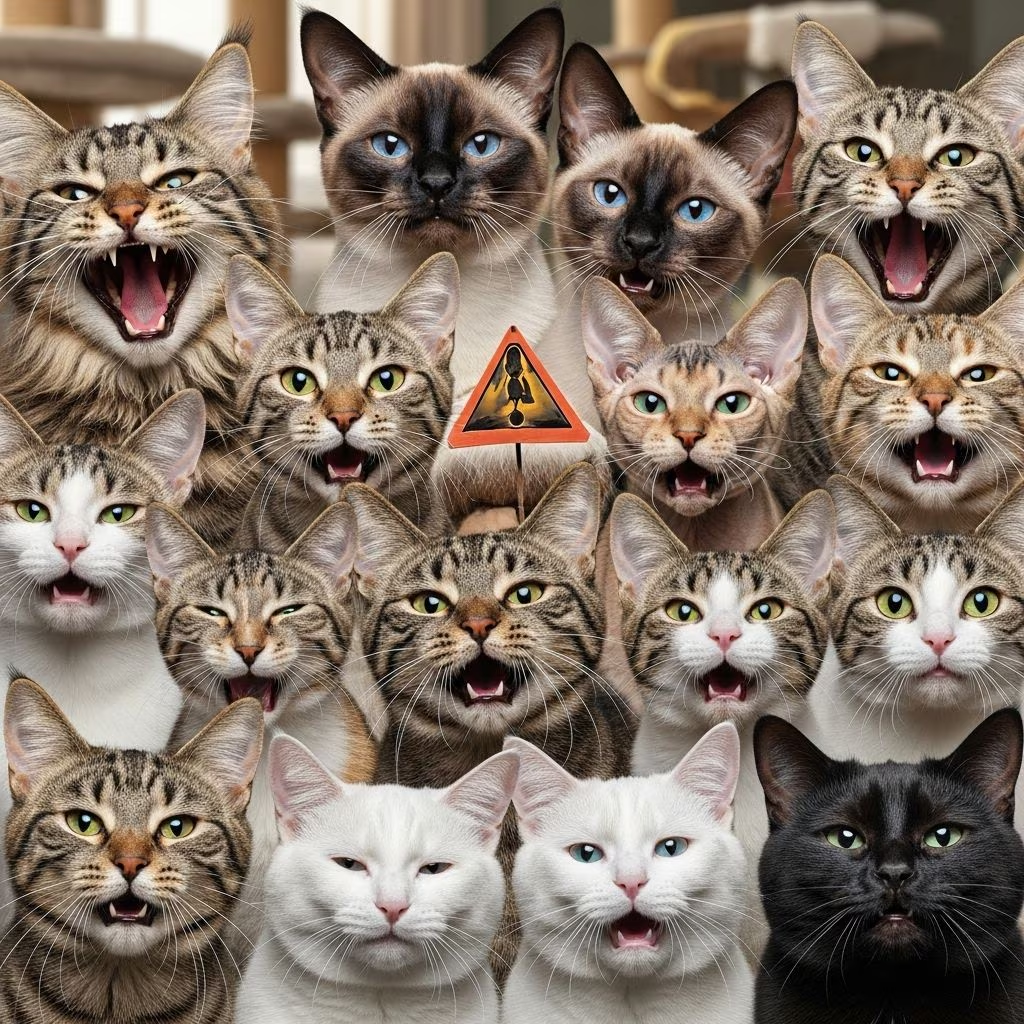
Cats are known for their diverse range of vocalizations, each carrying specific meanings and emotional nuances. From the iconic meow to subtle trills and dramatic yowls, our feline companions communicate through an intricate system of sounds. Understanding these vocalizations helps pet owners strengthen their bond with their cats and respond appropriately to their needs. Whether your cat is demanding dinner, expressing contentment, or signaling distress, learning to interpret these sounds is essential for responsible pet ownership.
1. Cat Meow
The meow is arguably the most recognizable and frequently heard cat sound. This vocalization varies significantly in pitch, duration, and intensity, depending on the cat’s mood and what they’re trying to communicate. A cat may produce a short, sweet mew, a high-pitched meow, multiple meows in succession, or a long and demanding call. Each variation carries different meanings and reflects the cat’s emotional state and intentions.
Interestingly, adult cats use meows primarily to communicate with humans rather than with other cats. Kittens naturally meow to their mothers, but as they mature, they largely abandon meowing in cat-to-cat interactions, reserving it instead for human communication. This adaptation demonstrates cats’ remarkable ability to tailor their communication based on their audience.
| Meow Type | Meaning |
|---|---|
| High-pitched meow | Greeting, excitement, or a request for attention |
| Short, sweet mew | Casual greeting or acknowledgment |
| Multiple meows in succession | Urgent request or emphatic greeting |
| Long, drawn-out meow | Demanding tone, frustration, or complaint |
| Low-pitched meow | Anxiety, frustration, boredom, or potential illness |
While meows don’t have a universally fixed meaning, they effectively convey information about a cat’s emotional state and the urgency of their message. Generally, the more intense the emotion, the stronger and more pronounced the meow. In unpleasant situations—such as being combed, visiting an unfamiliar place, or sitting in a veterinarian’s waiting room—cats often emit long, guttural meows with low pitch and high intensity. If your cat meows more frequently than usual or if their meows sound noticeably different, consult your veterinarian, as this could indicate anxiety, illness, or other health concerns.
2. Purring
Purring is one of the most universally recognized signs of feline contentment. This low, continuous, rhythmic tone is produced during breathing and is typically associated with pleasure and relaxation. Kittens begin purring while nursing from their mothers, and adult cats continue the behavior throughout their lives in various pleasant situations.
Cats purr during positive interactions, such as petting sessions, affectionate contact with other cats or humans, or while kneading and rubbing against objects. However, purring is more complex than a simple indicator of happiness. Cats also purr in situations that are far from pleasant, including veterinary visits, when experiencing pain or illness, during labor, or even when facing imminent death. This multifaceted function suggests that purring may serve as a self-soothing mechanism in addition to signaling contentment.
To accurately interpret your cat’s purring, observe their body language alongside the sound. If your cat’s ears are back, pupils are dilated, their body appears tense or hunched, or they’re behaving abnormally, the purring may indicate discomfort or distress rather than contentment. Context is everything when interpreting feline communication.
3. Chirping and Chirrups
Chirping is a short, high-pitched call that resembles bird vocalizations. When a cat produces a sequence of chirps, the combination is called chirrups or tweedles. This sound originates as a contact call from mother cats to their kittens but evolves as cats mature.
Adult cats chirp for several reasons. They may use chirps to greet their human family members, to get attention, or to inform other cats or people of their location. One of the most common scenarios in which cats chirp is when they spot potential prey they cannot access, such as birds or squirrels visible through a window. In this context, the chirp reflects excitement mixed with frustration at being unable to reach the prey. These vocalizations are part of a cat’s predatory behavior, expressing the hunting drive that remains strong in domesticated felines.
4. Trilling
A trill is a distinctive sound produced with a soft voice that resembles a hybrid between a meow and a purr but with a higher pitch. It’s characterized by an ascending tone and typically lasts less than a second. Cats produce trills without opening their mouth, making it a subtle yet recognizable vocalization.
Trilling is primarily used as an amicable sound that cats make to greet and thank their human family members. A cat might trill when you offer them a snack, provide affection, or simply return home after being away. It’s also one of the sounds that mothers and kittens exchange with each other. Adult cats may use trills to offer friendly greetings to other cats as well. If your cat trills at you, it’s generally a positive sign indicating affection and appreciation.
5. Chattering and Twittering
Chattering is a distinctive and somewhat difficult-to-describe sound that, once heard, is impossible to forget. It consists of a rapid sequence of high-pitched, stuttering sounds accompanied by visible jaw trembling. Some cat owners describe it as a form of bleating or a stuttered meow, while others find it resembles birds twittering.
The most typical situation in which cats chatter is when they’ve spotted prey—such as a bird or insect—that they cannot reach due to a barrier like a window. This sound signals a state of strong excitement combined with frustration at being unable to access the target. The chattering may also accompany the cat’s hunting instincts being triggered. While less common than meows or purrs, chattering is a fascinating window into the predatory behavior and emotional state of indoor cats.
6. Hissing
Hissing is a defensive vocalization produced as a drawn-out exhalation, often accompanied by exposed teeth. This sound serves as a warning signal that a cat feels surprised, threatened, or is preparing to defend itself. When a cat hisses, it’s essentially saying, “Back off, or face the consequences.”
Hissing is typically an intermediate response in a cat’s defensive hierarchy. Rather than immediately attacking, a cat will usually hiss first, giving a potential threat a chance to retreat and avoid physical confrontation. If the threat persists beyond the hissing warning, the cat may escalate to more aggressive behaviors. Hissing is commonly heard during cat-to-cat conflicts or when cats feel cornered or frightened by humans or other animals.
7. Snarling and Growling
Growling is a low, rumbling sound that serves as a warning or threat to ward off danger. Unlike the high-pitched intensity of hissing, growling carries a deep, threatening tone that can last from a fraction of a second to several seconds. This vocalization is used by cats to communicate that they feel threatened, frightened, or are on the verge of becoming aggressive.
Snarling is similar to growling but typically indicates a heightened state of aggression or severe threat. Both sounds represent a cat’s attempt to intimidate or deter a potential threat before resorting to physical combat. Growling intensity often increases proportionally with the cat’s level of fear or aggression. If you hear your cat growling or snarling, it’s a clear signal to give them space and remove the source of their distress if possible.
8. Yowling and Howling
Yowling is often described as a louder, more intense, and extended version of a meow. A yowl is a drawn-out sound that cats produce during times of distress. Howling is similar to yowling but typically shorter in duration. Both sounds indicate that a cat is experiencing significant discomfort, whether physical or emotional.
Physical distress from pain or illness commonly triggers yowling, as does emotional distress from worry, frustration, boredom, or confinement. Elderly cats may yowl due to cognitive dysfunction syndrome, commonly known as feline dementia. Additionally, if a cat yowls when their family is away from home, it may indicate separation anxiety. These vocalizations are relatively rare compared to meows or purrs, so when they occur, they warrant attention and investigation into the underlying cause.
9. Spitting
Spitting is an aggressive defensive vocalization that indicates a cat is afraid, threatened, or preparing for combat. The sound resembles air forcefully escaping and often accompanies an arched back and raised fur—the classic defensive posture. Spitting allows a cat to communicate extreme displeasure and fear before resorting to physical aggression.
Unlike hissing, which is a more common warning, spitting suggests the cat is at a heightened level of alarm and may attack if the threat doesn’t back away. This behavior is particularly common in frightened kittens or cats in unfamiliar situations where they feel cornered or unable to escape.
10. Howling and Yowling Variations
Beyond basic yowling, cats produce variations of howling sounds that carry nuanced meanings. These threatening noises sound like endless meowing characterized by high pitch and very high volume. Such intense vocalizations serve an evolutionary purpose: they help avoid direct physical confrontation between cats by establishing dominance or communicating distress from a distance.
In multi-cat households, these vocalizations often precede territorial disputes or conflicts. Understanding when your cat resorts to these dramatic sounds helps you intervene appropriately and address underlying stressors.
11. Gurgling and Grunting
Gurgling is a short, low sound that cats use to make friends or reassure others in their social circle. This gentle vocalization differs significantly from more aggressive sounds and reflects positive social intentions. Grunts, which can begin or end meowing sequences, serve various communicative purposes and often accompany affectionate or neutral interactions.
12. Additional Sounds: Tweedles and Beyond
Tweedles are prolonged chirps that cats produce when they really want something specific. This sound represents an intensified version of basic chirping and indicates strong desire or demand. The variety of sounds cats produce is truly remarkable, with experts suggesting that cats can make over 100 different vocalizations.
Understanding Cat Communication Context
One crucial aspect of interpreting cat sounds is recognizing that meaning depends heavily on context. The same sound can carry different meanings depending on the cat’s body language, the situation, and the relationship between the cat and the listener. Cats even adapt their vocalizations based on their human owners’ responses, demonstrating their ability to tailor communication to their audience.
Pay attention to accompanying body language cues such as ear position, tail movement, pupil dilation, and overall posture. A meow combined with slow blinks and relaxed posture conveys very different emotions than a meow accompanied by flattened ears and a tucked tail.
Frequently Asked Questions
Q: Why does my cat meow more than usual?
A: Increased meowing can indicate several things, including requests for food or attention, anxiety, boredom, frustration, or potential health issues. If your cat’s meowing pattern changes significantly or becomes more intense, consult your veterinarian to rule out medical problems.
Q: Is purring always a sign of happiness?
A: While purring often indicates contentment, cats also purr when scared, sick, in pain, or even approaching death. Always evaluate purring in context with your cat’s overall body language and behavior.
Q: What should I do when my cat hisses?
A: When your cat hisses, respect their warning and give them space. Hissing indicates fear or aggression, so back away slowly and identify what’s causing the stress. Avoid forcing interaction with a hissing cat.
Q: Can cats control their vocalizations?
A: Yes, cats can deliberately control their vocalizations and adjust them based on their audience. They use different sounds when communicating with humans versus other cats, demonstrating intentional communication.
Q: What does trilling mean?
A: Trilling is a positive greeting sound that indicates affection and appreciation. Cats often trill when greeting their owners, receiving treats, or offering friendly acknowledgment.
Q: When should I be concerned about my cat’s vocalizations?
A: Seek veterinary attention if your cat suddenly changes their vocalization patterns, yowls frequently, exhibits prolonged hissing or growling, or combines unusual sounds with lethargy or behavior changes.
References
- The 10 Main Sounds a Cat Makes — Fundación Affinity. Accessed November 28, 2025. https://www.fundacion-affinity.org/en/library/the-10-main-sounds-a-cat-makes
- Translating Your Cat’s Meows and Other Sounds — Diamond Pet Foods. Accessed November 28, 2025. https://www.diamondpet.com/blog/behavior/psychology/translating-cats-meows-other-sounds/
- 12 Cat Sounds and What They Mean — Chewy. Accessed November 28, 2025. https://www.chewy.com/education/cat/general/cat-sounds
- 10 Cat Noises & Strange Sounds and Their Meaning — Purina UK. Accessed November 28, 2025. https://www.purina.co.uk/articles/cats/behaviour/understanding-cats/what-do-cat-sounds-mean
- 9 Cat Noises and What They Mean — PetMD. Accessed November 28, 2025. https://www.petmd.com/cat/general-health/cat-noises
- Cat Chat 101: The Basics of Domestic and Wild Vocalizations — Carnegie Museum of Natural History. Accessed November 28, 2025. https://carnegiemnh.org/cat-chat-101-the-basics-of-domestic-and-wild-vocalizations/
- Cat Vocalizations and What They Mean — Cat Mojo. YouTube. Accessed November 28, 2025. https://www.youtube.com/watch?v=LxhT_q9oUf8
- Why Do Cats Make Sounds — Cats Protection. Accessed November 28, 2025. https://www.cats.org.uk/cats-blog/why-do-cats-make-sounds



