

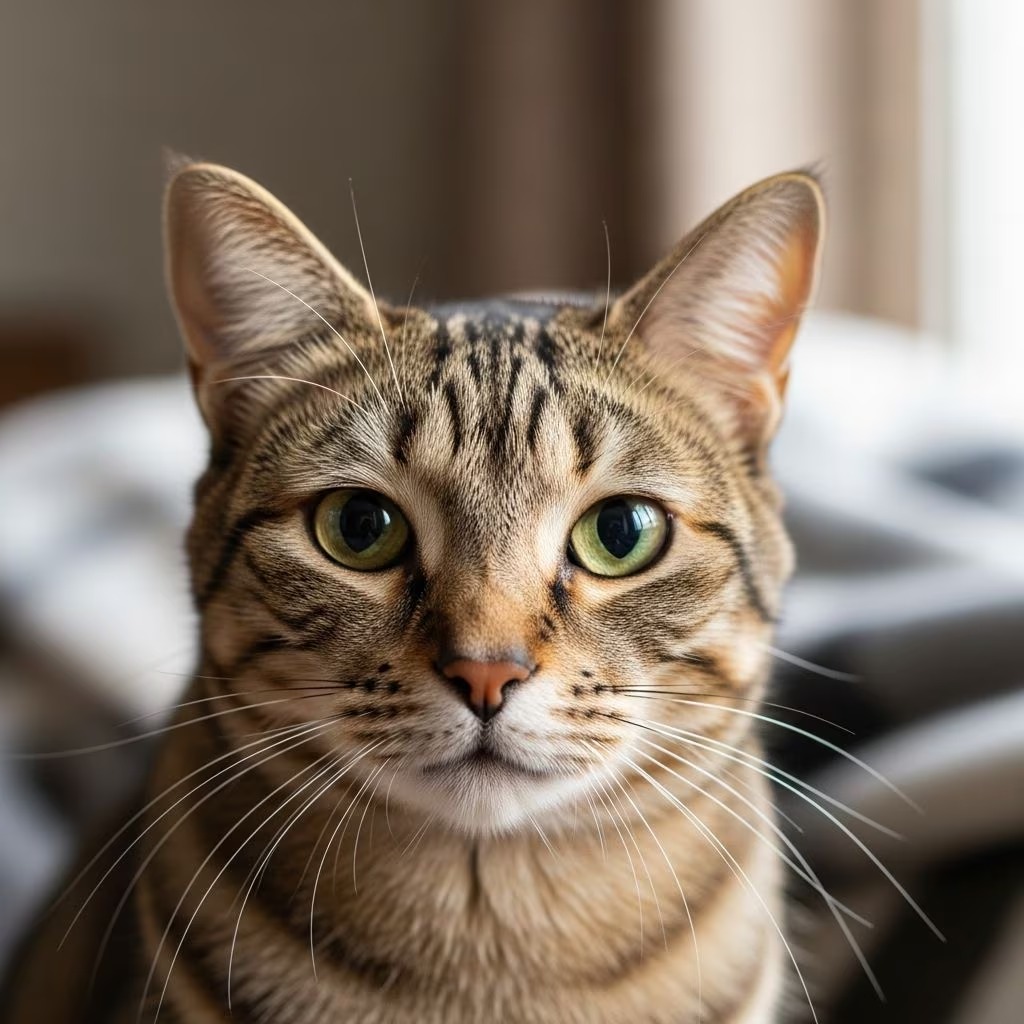
Congestion in cats, characterized by gurgling, wheezing, sneezing, nasal discharge, and breathing difficulties, is a common issue affecting the sinuses and nasal passages. This swelling and mucus buildup narrows airways, causing discomfort similar to a human cold. While many cases resolve quickly, persistent symptoms warrant veterinary attention to rule out serious conditions.
What is cat congestion?
Cat congestion refers to inflammation and mucus accumulation in the upper respiratory tract, including nasal passages and sinuses. This blockage leads to noisy breathing, such as snoring, rattling, or stridor—a high-pitched whistle from narrowed airways like the larynx or trachea. Unlike normal silent breathing, congested cats produce audible sounds due to restricted airflow. Symptoms include sneezing, watery eyes, pawing at the face, and open-mouth breathing in severe cases. Chronic cases may stem from unresolved infections, leading to permanent nasal damage.
Understanding congestion helps cat owners act promptly. Mild episodes might clear in days, but labored breathing or cyanosis (blue gums) signals respiratory distress, requiring emergency care.
5 reasons why your cat sounds congested
Several factors cause feline congestion. Here are the primary culprits, supported by veterinary insights:
- Upper respiratory infections (URIs): The most frequent cause, URIs mimic human colds but involve cat-specific viruses like feline herpesvirus (FHV-1) and calicivirus, often with secondary bacterial infections. These thrive in moist nasal environments, triggering inflammation and thick discharge—clear initially, then yellow or bloody. Vaccines reduce risk, but outbreaks occur in multi-cat homes. Symptoms: sneezing, coughing, fever, lethargy, and appetite loss. Chronic URIs affect smell, causing weight loss.
- Dental issues: Over 50% of cats over four suffer dental disease, where upper molar root infections spread to adjacent sinuses due to anatomical proximity. This creates sinusitis, congestion, foul breath, drooling, and eating difficulties. Regular dental checks prevent escalation, as untreated abscesses worsen respiratory symptoms.
- Allergies: Environmental triggers like pollen, dust, mold, or smoke irritate nasal linings, causing seasonal or year-round congestion, sneezing, and watery eyes. Unlike infections, allergic discharge is typically clear. Identifying and minimizing allergens aids management.
- Foreign object: Curious cats inhale grass awns, seeds, or insects, lodging them unilaterally in one nostril. This sparks localized inflammation, one-sided discharge, pain, and sneezing. Removal often requires sedation and vet intervention.
- Tumors or polyps: Growths disrupt smooth airway linings. Polyps—benign mucosal overgrowths common in young cats—obstruct nasopharynx, causing chronic discharge and noisy breathing. Tumors (benign or malignant, like squamous cell carcinoma) create friction and swelling. Persistent symptoms despite treatment suggest these; imaging and surgery may be needed.
Other contributing factors
Beyond the top five, obesity compresses airways, brachycephalic breeds (e.g., Persians) have innate narrow passages, and fungal infections or heart disease can mimic congestion. Noisy breathing like wheezing indicates asthma or pneumonia.
Signs your cat is congested
Recognize these indicators early:
- Noisy respiration: Wheezing, gurgling, stridor, or crackling.
- Nasal discharge: Clear, mucoid, purulent, or bloody; unilateral suggests foreign body.
- Sneezing and coughing fits.
- Eye issues: Watery, squinting, or conjunctivitis.
- Behavioral changes: Pawing face, lethargy, anorexia, fever.
- Breathing distress: Flared nostrils, open-mouth breathing, exaggerated abdominal effort, blue gums.
Open-mouth breathing is rare in healthy cats and signals emergency.
Why does it sound like my cat has a stuffy nose?
A stuffy-nosed sound arises from inflamed, mucus-clogged nasal passages and sinuses, much like human congestion. Inflammation narrows passages; excess mucus from infection or allergy creates gurgling. Dental roots invading sinuses or polyps exacerbate this. Unlike humans, cats’ poor sneeze efficiency prolongs buildup.
How do you treat a congested cat?
Treatment targets the cause:
| Cause | Treatments |
|---|---|
| URIs | Antivirals, antibiotics for secondary bacteria, nebulization, fluids, appetite stimulants. Supportive care: Warmth, humidity, soft food. |
| Dental issues | Professional cleaning, extractions under anesthesia. |
| Allergies | Allergen avoidance, antihistamines, nasal flushes. |
| Foreign object | Sedated removal, anti-inflammatories. |
| Tumors/Polyps | Surgery, biopsy, oncology if cancerous. |
Home remedies: Steam from showers, saline drops (vet-approved), elevated food. Never use OTC human meds—toxic to cats. Severe cases need oxygen therapy. Prevention: Vaccinations, dental care, clean litter, stress reduction.
What does a cat with respiratory issues sound like?
Healthy cats breathe quietly. Respiratory issues produce:
- Stertor: Low-pitched snoring from nasal/sinus obstruction.
- Stridor: High-pitched inspiratory whistle from laryngeal/tracheal narrowing—emergency.
- Wheezing: Musical exhale from lower airway constriction (asthma).
- Gurgling/rattling: Mucus in airways.
- Coughing/gagging: Infections or blockages.
Body language: Hunched posture, rapid shallow breaths, tail up.
Bottom line
Cat congestion often stems from benign, self-limiting causes but can signal serious issues. Monitor 24-48 hours; seek vet if worsening, breathing trouble, or lasting over days. Early intervention prevents complications like pneumonia or chronic rhinitis. Keep vaccines current and environment clean for optimal health.
Frequently Asked Questions (FAQs)
Why is my cat congested but eating normally?
Mild allergies or early URIs may not affect appetite initially. Monitor for progression.
Can congestion be fatal in cats?
Yes, if untreated distress leads to hypoxia. Emergency signs: Cyanosis, collapse.
How long does cat congestion last?
3-10 days for mild cases; chronic needs vet diagnostics.
Is humidifier safe for congested cats?
Yes, adds moisture to soothe airways; use distilled water.
Does breed affect congestion risk?
Brachycephalics (flat-faced) prone due to anatomy.
References
- Why Does My Cat Sound Congested? 5 Reasons Why — Kinship. 2023. https://www.kinship.com/cat-health/cat-sounds-congested
- Noisy Breathing in Cats: What Are Stertor and Stridor? — PetMD. 2024-05-15. https://www.petmd.com/cat/symptoms/noisy-breathing-in-cats
- How to Tell if Your Cat is in Respiratory Distress — Pawprint Oxygen. 2024. https://pawprintoxygen.com/blogs/healthy-paws/how-to-tell-if-your-cat-is-in-respiratory-distress
- Chronic Upper Respiratory Tract Disease — VCA Animal Hospitals. 2025-01-10. https://vcahospitals.com/know-your-pet/chronic-upper-respiratory-tract-disease
- Rhinitis and Sinusitis in Cats — Merck Veterinary Manual. 2024-11-20. https://www.merckvetmanual.com/cat-owners/lung-and-airway-disorders-of-cats/rhinitis-and-sinusitis-in-cats



