

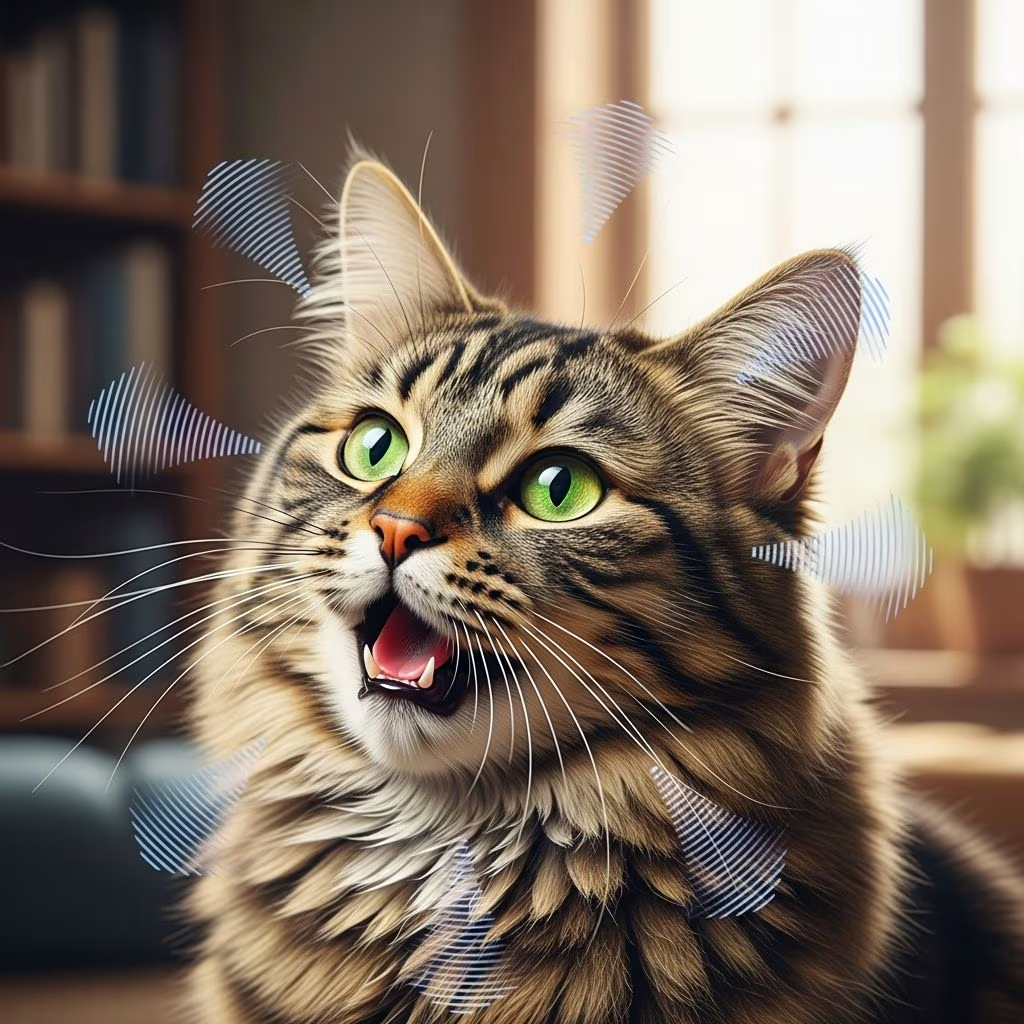
Cats are masters of communication, using a rich repertoire of vocalizations to express their needs, emotions, and intentions. From the familiar meow to the soothing purr and the intimidating hiss, each sound carries specific meaning. Understanding these cat sounds helps owners respond appropriately, strengthen bonds, and ensure their pet’s well-being. This guide explores the most common cat noises, their contexts, and interpretations based on expert insights.
Why Do Cats Make Sounds?
Cats vocalize primarily to communicate with humans and other cats, unlike dogs who vocalize more among themselves. Kittens meow constantly to their mothers for milk or attention, but adult cats reserve meowing mostly for people. Other sounds like purring, chirping, and growling convey contentment, excitement, or warnings. Context, body language, and frequency are key to accurate interpretation. For instance, a purr during petting signals happiness, but the same sound with tense posture may indicate stress or pain.
Domestic cats produce over 100 distinct vocalizations, far more nuanced than wild felines. These sounds evolved as survival tools: attracting mates, defending territory, or soliciting care. Modern pet cats adapt them for human interaction, making interpretation essential for harmonious living.
The Meow and Its Variations
The **meow** is the quintessential cat sound, often directed at owners. It’s versatile, conveying greetings, demands, or complaints. Adult cats rarely meow at each other, suggesting it’s a learned human-cat language.
- Standard Meow: Mid-length, mid-pitch; typically asks for food, attention, or entry. Context clues like time of day help pinpoint the need.
- Mewl: Short, soft greeting, often with leg-rubbing. A friendly “hello” when you arrive home.
- Long, Drawn-Out Meow: Insistent demand, like for dinner or door access. Persistent versions may signal hunger or routine reminders.
- Repeated Meows: Indicates excitement, such as playtime or anticipation.
- High-Pitched Meow: Yelp-like, signaling surprise, pain, or injury. Sudden changes warrant veterinary checks.
Excessive meowing can indicate anxiety, boredom, or health issues, especially if lower-pitched or unusual.
Purring: More Than Just Contentment
The **purr** is a low, rumbling vibration produced on exhale and inhale, unique to cats. Commonly linked to happiness during grooming or cuddles, it also serves self-soothing during stress, illness, or pain.
Studies show purring frequencies (25-150 Hz) promote healing in bones and tissues, explaining its use in recovery. Kittens purr to solicit nursing from mothers. Always pair with body language: relaxed ears and body mean pleasure; flattened ears suggest discomfort.
Chirps, Chattering, and Trills
These bird-like sounds reveal a cat’s hunting instincts and social side.
- Chirp/Chatter: Rapid teeth-clicking while watching prey through windows. Expresses frustration or excitement at unreachable targets.
- Trill: High-pitched “mrrp” or rolling “r” sound; a friendly greeting or thank-you, blending meow and purr. Mothers trill to kittens.
Chirping mimics prey calls, possibly luring birds—a theory supported by observation.
Hisses, Growls, Snarls, and Yowls: Warning Sounds
Aggressive vocalizations signal fear, threat, or anger, escalating in intensity.
| Sound | Description | Meaning |
|---|---|---|
| Hiss | Sharp, sibilant exhale | Fear, threat, or surprise; shows fangs ready |
| Growl | Low rumble | Warning to back off; anger or fright building |
| Snarl | Louder, higher-pitched growl | Intensified threat, often in fights or annoyance |
| Yowl | Long, intense meow-like | Extreme distress, pain, or escalating aggression |
These sounds often accompany defensive postures like arched backs or dilated pupils. Intervene gently to avoid bites or scratches.
Caterwauling and Mating Calls
The **caterwaul** is a piercing wail, unmistakable to night-shift owners. Primarily from unspayed females in heat, it advertises availability to males. Unneutered males may yowl territorially. Spaying/neutering eliminates most cases, reducing neighborhood noise.
Other distress calls include kittens’ hunger cries or lost littermates’ pleas.
Other Unique Cat Sounds
- Spit: Explosive hiss variant; pure fear or threat response.
- Screech: High scream during fights or pain.
- Chirrup: Greeting or frustration, like “Hey!” or bird-hunting fail.
How to Respond to Cat Sounds
Decoding requires observing context:
- Positive sounds (purr, trill): Reciprocate with affection or play.
- Demand meows: Provide food, access, or attention promptly.
- Warning sounds: Give space; remove stressors slowly.
- Unusual changes: Consult a vet for pain or cognitive issues in seniors.
Building vocabulary involves mimicking softly (e.g., trill back) to encourage communication.
Cat Sounds by Age and Context
| Life Stage/Context | Common Sounds | Reasons |
|---|---|---|
| Kitten | Meows, purrs, distress calls | Mother attention, milk, safety |
| Adult Pet | Meows, purrs, trills | Human interaction, contentment |
| Senior | Increased yowls/meows | Cognitive decline, pain, disorientation |
| In Heat | Caterwauls, yowls | Mating signals |
Frequently Asked Questions (FAQs)
Why does my cat meow so much at night?
Night meowing often seeks attention, food, or expresses boredom. Seniors may yowl due to confusion. Ensure routines and check health.
Is purring always a good sign?
No, purring can self-soothe pain or stress. Observe body language for true contentment.
What does cat chattering mean?
It’s hunting excitement or frustration at window prey.
Why do cats hiss at new people or pets?
Hissing warns of perceived threats. Allow slow introductions.
Can I train my cat to meow less?
Yes, ignore demands, enrich environment, and spay/neuter to curb excess vocalizing.
Mastering cat sounds fosters deeper connections and proactive care. Pay attention, respond thoughtfully, and enjoy the feline dialogue.
References
- What Do Different Cat Noises and Sounds Mean? — Purina. 2023-05-15. https://www.purina.com/articles/cat/behavior/understanding-cats/what-do-cat-sounds-mean
- 12 Cat Sounds and What They Mean — Chewy. 2024-02-10. https://www.chewy.com/education/cat/general/cat-sounds
- The Definitive Guide to Cat Behavior and Body Language — Tuft & Paw. 2023-11-20. https://www.tuftandpaw.com/blogs/cat-guides/the-definitive-guide-to-cat-behavior-and-body-language
- Cat Behavior 101: The Meaning of a Meow — NASC. 2024-01-05. https://www.nasc.cc/cat/cat-behavior-101-the-meaning-of-a-meow/
- 9 Cat Noises and What They Mean — PetMD. 2024-08-12. https://www.petmd.com/cat/general-health/cat-noises
- Cat Vocalizations and What They Mean — YouTube (Jackson Galaxy). 2022-06-18. https://www.youtube.com/watch?v=LxhT_q9oUf8



