

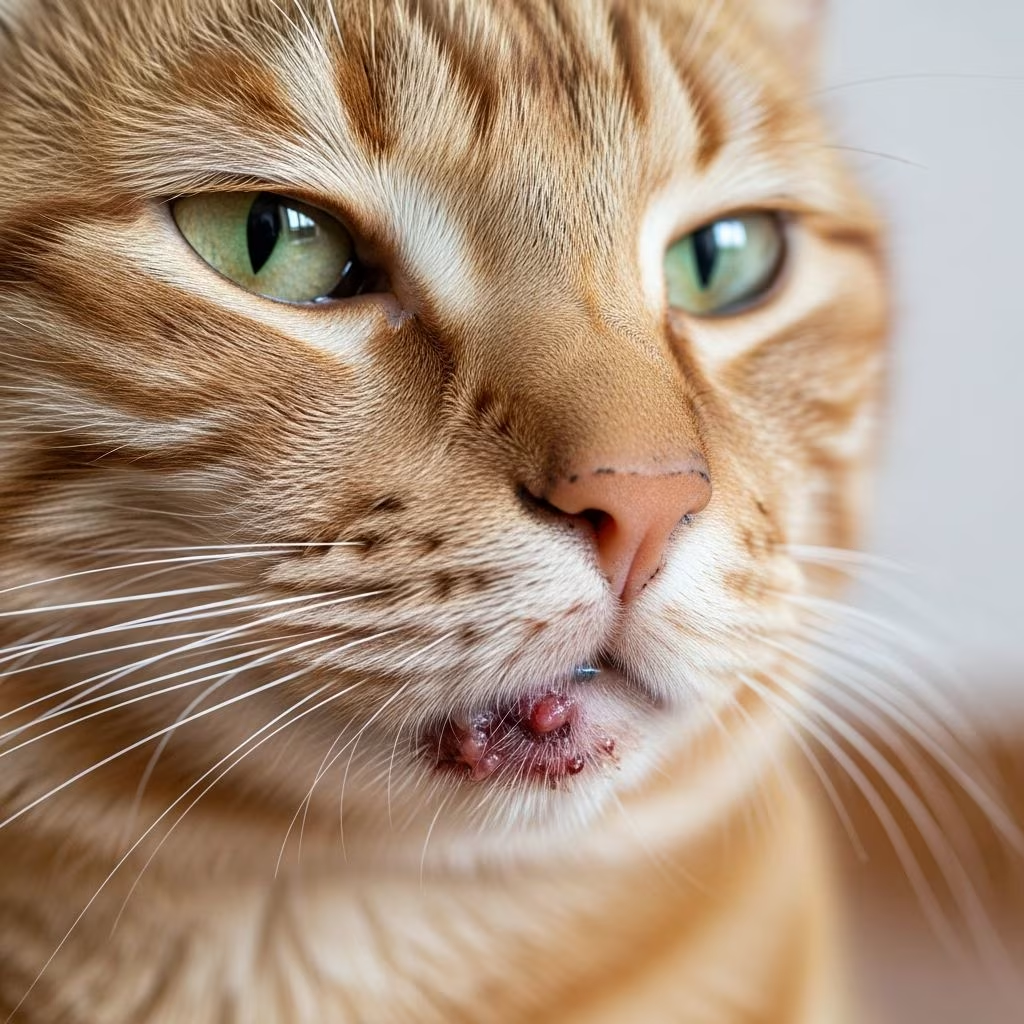
My Cat Has Sores On Her Face And Chin
If you’ve noticed your cat developing recurring sores on her face, chin, or around the mouth area, you’re not alone. Many cat owners face this frustrating situation, especially when the sores seem to return despite treatment efforts. Understanding what’s causing these sores and knowing the available treatment options can help you provide relief for your feline companion and work toward preventing future outbreaks.
Understanding Chin Acne in Cats
One of the most common causes of sores appearing under the chin is a condition known as chin acne, which develops as a bacterial infection of the hair follicles on the chin. This condition is often poorly understood, but veterinary experts have made significant progress in identifying its underlying causes and developing effective treatment strategies.
What Causes Chin Acne?
Chin acne in cats is related to the overproduction of keratin, a key protein that forms the outer layer of skin. When excess keratin becomes trapped in hair follicles, it creates an environment conducive to blackhead formation. These blackheads, also called comedones, are initially harmless. However, when bacteria infect these blocked follicles, they transform into pustules that resemble pimples and create visible sores on your cat’s chin.
Several factors can contribute to the development of chin acne in cats:
– Poor grooming habits- Excessive sebum (oil) production- Compromised skin immune-barrier function- Food allergies or sensitivities- Contact allergies, particularly to plastic materials- Stress and anxiety- Hormone imbalances- Underlying skin conditions
The Plastic Bowl Connection
One significant discovery that has helped many cat owners is the potential link between plastic food and water bowls and chin acne development. Some veterinary dermatologists have reported that cats can develop a contact-type allergy to plastic, which may contribute to or exacerbate chin acne. This observation has led to a practical recommendation: switching from plastic bowls to glass or porcelain alternatives. Many cat owners have reported improvements in their cat’s condition after making this simple change, making it a worthwhile first step in addressing recurring chin acne.
Eosinophilic Granuloma Complex: Another Possibility
While sores under the chin are often chin acne, the sores on the edges of your cat’s mouth and lips might indicate a different condition altogether. This condition is called eosinophilic granuloma complex, an inflammatory skin disorder that can manifest in multiple ways depending on the individual cat.
Recognizing Eosinophilic Granuloma Complex
Eosinophilic granuloma complex is an inflammatory condition that can present with various symptoms. Some cats develop the characteristic sore on the upper lip known as a “rodent ulcer,” while others may develop thick, raised sores on their abdomen and inner thighs called eosinophilic plaques. In some cases, the condition manifests as sores on the edges of the lips, which closely resembles what you may be observing in your cat.
The condition is characterized by inflammation and can be quite uncomfortable for affected cats, though it is not considered a serious or life-threatening condition. The key to identifying eosinophilic granuloma complex is recognizing the pattern of sores and the cat’s response to treatment.
Why Steroids Work
One of the most telling indicators that your cat might have eosinophilic granuloma complex is the dramatic response to steroid medications like cortisone or prednisone. If your cat’s sores have consistently improved with steroid treatment, this strongly suggests eosinophilic granuloma complex rather than bacterial chin acne alone. The inflammatory nature of the condition makes it highly responsive to these medications, which work by reducing the immune-mediated inflammation driving the skin lesions.
Treatment Options for Chin Sores
Treatment approaches vary depending on the underlying cause and severity of your cat’s condition. Understanding the different options available can help you work more effectively with your veterinarian to find the best solution for your cat.
Topical Treatments for Mild Cases
For mild cases of chin acne, topical treatments are often the first line of defense. These treatments focus on removing excess sebum and preventing bacterial infection. Improved hygiene—including washing your cat’s face and gently wiping the chin—is core to any treatment plan.
Effective topical treatments include:
– Antibacterial washes such as chlorhexidine- Dilute peroxide solutions- Topical ointments prescribed by your veterinarian- Medicated shampoos or wipes designed for feline skin
When applying these treatments, gentle handling is essential. The affected skin is already inflamed and sensitive, and aggressive cleaning can worsen irritation rather than improve it. Use a soft cotton ball and apply gentle pressure when cleaning the affected areas.
Antibiotic Therapy
For more severe cases with extensive secondary bacterial infection, oral or injectable antibiotics become necessary. Your veterinarian may perform sensitivity tests on a bacterial culture taken from your cat’s chin to select the most appropriate antibiotic. Common choices include amoxicillin/clavulanate or cephalexin, typically administered for three weeks or as recommended by your vet.
Steroid Management
If your cat has eosinophilic granuloma complex or significant inflammation, steroids may be necessary. When long-term steroid therapy is needed, oral medications offer a significant advantage over injectable steroids: they allow you to taper the dose down to the lowest level that controls the disorder. This reduces potential side effects while still managing the condition effectively. Work closely with your veterinarian to establish a maintenance dose that keeps your cat comfortable without unnecessary medication exposure.
Addressing Underlying Causes
Effective long-term management requires addressing the underlying causes. If allergies are identified as a contributing factor, your veterinarian may recommend dietary changes or allergy testing. Switching to non-plastic food and water bowls is a simple environmental modification that can prevent recurrence in cats with plastic sensitivity.
Prognosis and Long-Term Management
The long-term outlook for cats with chin sores varies significantly from one individual to another. Some cats, once successfully treated, never experience a recurrence. Other cats may have their lesions resolve, only to have them reappear days, weeks, months, or even years later. There’s no way to predict which cats will fall into which category, so management approaches should be personalized based on your cat’s response patterns.
For cats prone to recurrent outbreaks, your veterinarian will help develop an appropriate maintenance routine to keep the chin as clear as possible. This might include periodic topical treatments, dietary modifications, regular grooming, or maintenance-level steroid therapy. The goal is to find the minimum intervention necessary to maintain your cat’s comfort and skin health.
Prevention Strategies
While not all cases can be prevented, several proactive steps may reduce the likelihood of chin sores developing or recurring:
– Replace plastic food and water bowls with glass or porcelain alternatives- Maintain regular gentle grooming to keep the chin clean and dry- Monitor your cat for signs of allergies and address them promptly- Ensure your cat’s diet supports skin health- Minimize stress through environmental enrichment- Schedule regular veterinary check-ups for early detection- Keep your cat’s living area clean and well-maintained
When to Seek Veterinary Care
Contact your veterinarian if you notice:
– Recurring sores on your cat’s face, chin, or mouth- Sores that don’t improve with home care within one to two weeks- Signs of infection, such as increased redness, swelling, or discharge- Your cat excessively licking or scratching at the affected area- Hair loss around the chin or mouth area- Changes in your cat’s eating habits or appetite
Frequently Asked Questions
Q: Is chin acne in cats contagious?
A: Chin acne itself is not contagious, but studies show that multiple cats in the same household can develop acne. This suggests environmental triggers or shared stressors rather than disease transmission. If multiple cats are affected, consult your vet about common environmental factors.
Q: Can I treat my cat’s chin sores at home?
A: Mild cases may respond to at-home hygiene measures, including gentle cleaning with warm water or recommended antibacterial solutions. However, recurring or severe sores require professional veterinary evaluation to identify the underlying cause and determine appropriate treatment.
Q: Will switching from a plastic bowl to a glass one help?
A: For cats with plastic sensitivity contributing to chin acne, switching to glass or porcelain bowls can significantly improve the condition. This is a simple, risk-free change worth trying as part of your treatment strategy.
Q: How long does it take for chin sores to improve?
A: Response time varies depending on the underlying cause and treatment approach. Mild cases may improve within one to two weeks with topical treatment, while more severe cases requiring antibiotics typically show improvement within two to three weeks of starting therapy.
Q: Is eosinophilic granuloma complex painful for my cat?
A: Eosinophilic granuloma complex can be uncomfortable, but it is not considered a serious condition and is not typically life-threatening. With proper treatment and management, most cats experience significant relief from symptoms.
Q: Can diet affect chin acne in cats?
A: Yes, food allergies can contribute to chin acne development. If your veterinarian suspects food sensitivities, they may recommend a diagnostic food trial using a limited-ingredient or hypoallergenic diet to identify problematic ingredients.
Q: Are there supplements that help with cat chin acne?
A: Omega-3 and omega-6 fatty acid supplements may help reduce inflammation and support healthy skin. Discuss with your veterinarian whether these supplements would be appropriate for your cat’s specific situation.
References
- My Cat Has Sores On Her Face And Chin — Chewy Editors. https://www.chewy.com/education/cat/health-and-wellness/my-cat-has-sores-on-her-face-and-chin
- Cat Acne — PetMD. https://www.petmd.com/cat/conditions/skin/cat-acne
- What to Know About Feline Acne — WebMD Pets. https://www.webmd.com/pets/cats/what-to-know-feline-acne
- Cat Miliary Dermatitis: Causes and Treatment — MedVet. https://www.medvet.com/cat-miliary-dermatitis-causes-and-treatment/
- Feline Fat Chin Syndrome — Veterinary Practice. https://www.veterinary-practice.com/article/feline-fat-chin-syndrome
- Acne and Stud Tail — International Cat Care. https://icatcare.org/articles/acne-and-stud-tail



