
Cat Socialization Essentials
Master the art of turning shy kittens and wary adults into confident companions through proven, patient techniques.
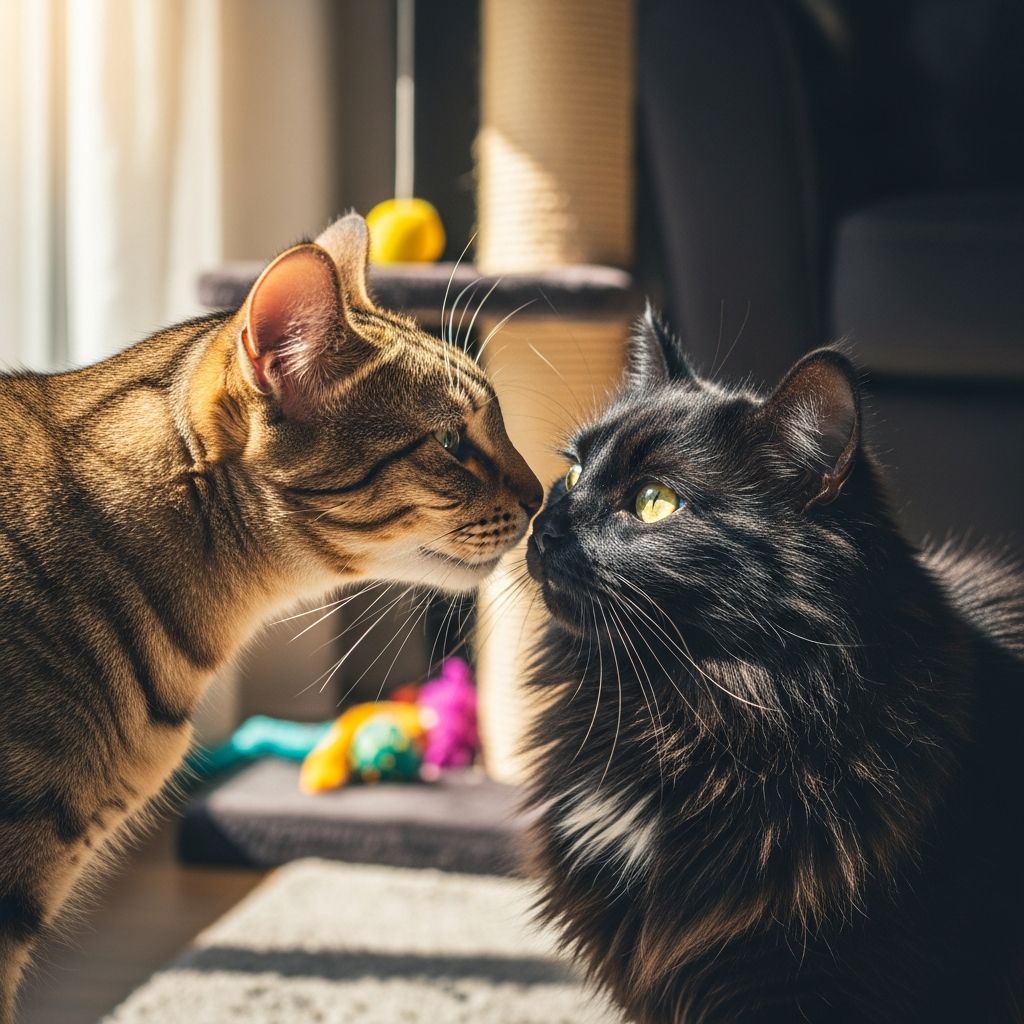
Successful cat socialization transforms fearful or feral felines into affectionate pets ready for indoor life. This process hinges on timely, positive human interactions during key developmental phases, with adaptable methods for older kittens and adults.
Understanding Feline Social Development
Cats evolve through distinct socialization stages where exposure to humans, sounds, and environments shapes their comfort levels. The primary window spans 2 to 8 weeks, when kittens absorb experiences most readily, associating people with safety and pleasure.
Beyond infancy, neural plasticity allows continued learning, though progress slows. Kittens up to 4 months respond well to consistent handling, while those 4-8 months require extended efforts. Adults, especially previously socialized ones, can rebound with targeted rehab.
Prime Period for Kitten Bonding
From 2-6 weeks, kittens are sponges for novel stimuli. Daily gentle handling—petting while nursing or eating—builds trust. Introduce household noises like vacuums at low volumes, paired with treats, to normalize them.
- Stroke along the back and cheeks during meals.
- Expose to gentle voices and soft music.
- Allow supervised play with siblings for social cues.
Stage two, 7-12 weeks, expands to full-body pets, toy chases, and lap sits. Monitor for relaxed ears and purring as progress markers.
Navigating Socialization in Older Kittens
Kittens over 8 weeks, often fractious from feral origins, demand patience. Average timelines range 2-12 weeks, shorter for 6-8 week olds, up to 3 months for 6-monthers.
Group fostering accelerates learning via observational mimicry; confident peers model calm behaviors. Solo efforts risk prolonged stress.
| Age Group | Expected Timeline | Key Challenges |
|---|---|---|
| 6-8 weeks | 2-3 weeks | Mild hissing |
| 8-12 weeks | 4-6 weeks | Swatting, hiding |
| 4-6 months | 2-3 months | Fear aggression |
Step-by-Step Protocol for Fractious Kittens
Begin in a secure, dim room with hiding spots. Use tools like feather wands for initial contact, advancing as tolerance grows.
- Observation Phase: Sit quietly daily, tossing treats near but not at the kitten. Aim for eye contact without staring.
- Tool Interaction: Extend a yarn or stick for batting; reward pursuits with food.
- Hand Proximity: Place palm by kibble bowl, withdrawing if tensed.
- Touch Milestones: Progress to chest scratches during eats, then full holds.
- Expansion: Remove barriers once liftable, providing boxes for retreats.
Signs of readiness include grooming in view, litter use, and toy engagement—vulnerable acts signaling security.
Rehabilitating Adult Cats
Adult socialization targets “backslid” pets stressed by shelter transitions or neglect. Confine to one room initially, repeating foster techniques.
Positive pairings—food, play, talk—recondition responses. Previously socialized adults often progress faster than true ferals over 4 months, who may suit outdoor colonies.
- Blink slowly to convey peace.
- Offer meals by hand once approached.
- Incorporate clicker training for tricks, boosting esteem.
Environmental and Multi-Species Introductions
Replicate lifelong scenarios: kids’ laughter, dog barks, carrier rides. 80% weekly exposures prevent phobias.
For multi-pet homes, scent swap first, then supervised sniffs. Never force; retreat at flattened ears or tails.
Common Hurdles and Fixes
Hissing or fleeing? Pause, shorten sessions, amplify rewards. Overstimulation yields setbacks; respect boundaries for consent-based trust.
Medication for extreme anxiety may aid, administered via treats.
Long-Term Maintenance
Post-socialization, nightly play and grooming sustain bonds. New homes restart confinement-to-freedom to cement attachments.
Frequently Asked Questions
Can you socialize a 6-month-old feral kitten?
Yes, with 2-3 months of dedicated, group-based efforts; success hinges on early intervention signs.
What’s the best room setup?
A quiet space with hides, perches, litter, and food stations; expand gradually.
How do you know socialization worked?
They eat, play, sleep, and groom near you without fleeing.
Should I use punishment?
No; positives only prevent fear escalation.
Ideal group size for fosters?
Pairs or small groups for mutual learning.
Advanced Techniques for Confidence
Clicker training pairs sounds with treats, enabling commands like “sit.” Play therapy channels energy, reducing stress.
Track via checklists: weekly handling logs ensure 80% exposure variety.
References
- A Guide to Socializing Older (Fractious) Kittens — IAABC Journal. 2023. https://journal.iaabcfoundation.org/a-guide-to-socializing-older-fractious-kittens/
- The Cat Socialization Continuum: A Guide to Interactions — Alley Cat Allies. 2023. https://www.alleycat.org/resources/cat-socialization-continuum-guide/
- Socialization Manual for Kittens and Cats — Philly PAWS. 2022. https://phillypaws.org/wp-content/uploads/PAWS-Cat_Kitten-Socialization-Manual-2.pdf
- Socializing Kittens Over 8 Weeks Old — Toronto Humane Society. 2021-08. https://www.torontohumanesociety.com/wp-content/uploads/2021/08/Socializing-kittens-over-8-weeks-old.pdf
- APA Guide to Socializing Adult Cats — American Pets Alive!. 2023. https://americanpetsalive.org/uploads/resources/APA-Guide-to-Socializing-Adult-Cats.pdf
- Kitten Socialization Checklist — San Diego Humane Society. 2024. https://sdhumane.org/resources/kitten-socialization-checklist/
Similar Articles








Read full bio of medha deb




