

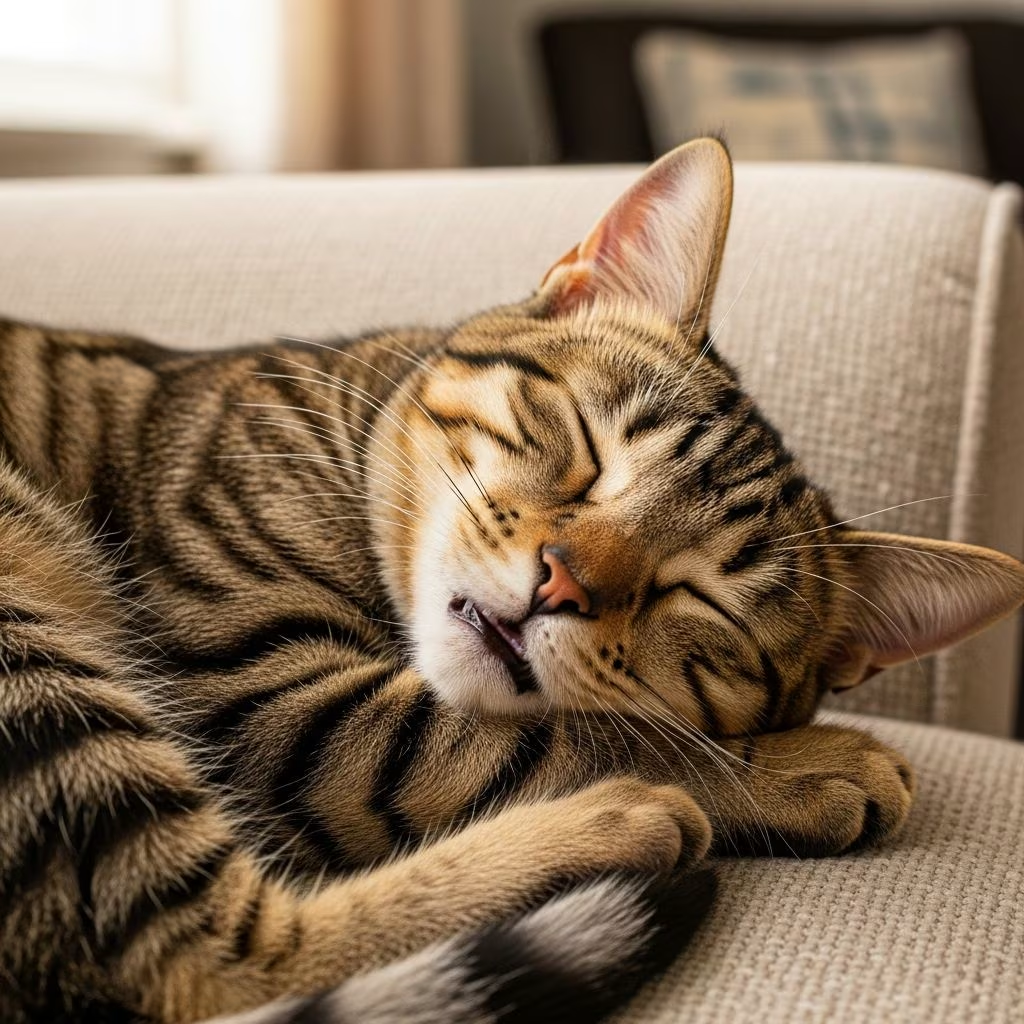
Cats are known for their silent, graceful sleep, but occasional snoring can surprise owners. While some snoring stems from innocent factors like sleep posture, persistent or loud noises often point to underlying issues such as obesity or respiratory problems. Understanding these causes helps determine if your cat’s snores are quirky or concerning.
Common Triggers for Feline Snoring
Snoring happens when relaxed throat tissues vibrate during breathing, creating audible sounds. In cats, this partial airway obstruction varies by cause.
- Body Weight Excess: Overweight cats face higher snoring risks as fat deposits narrow nasal passages and throat spaces, mimicking human sleep apnea patterns.
- Sleep Posture: Curled necks or flattened heads temporarily pinch airways, producing short-lived rumbles that cease upon repositioning.
- Brachycephalic Traits: Flat-faced breeds like Persians have pinched nostrils and elongated palates, chronically restricting airflow even during rest.
These everyday factors explain many cases, especially if snoring remains mild and infrequent.
Health-Related Reasons Your Cat Might Snore
Beyond lifestyle, medical conditions frequently contribute to noisy breathing, warranting closer observation.
Upper Respiratory Infections
Viral or bacterial invasions inflame nasal passages, leading to congestion and snoring. Kittens and shelter cats suffer most, showing added symptoms like sneezing, eye discharge, and lethargy. Chronic rhinitis sustains this inflammation long-term.
Allergies and Irritants
Dust, pollen, or household chemicals swell nasal tissues, prompting snoring alongside itchy skin or watery eyes. Environmental tweaks often ease these episodes.
Structural Abnormalities
Nasal polyps, tumors, or foreign intruders like grass blades block passages. Sudden onset with one-sided discharge demands prompt checks to avoid escalation.
| Cause | Symptoms | Severity |
|---|---|---|
| Obesity | Loud snoring, fatigue | Moderate |
| Infection | Sneezing, discharge | High |
| Polyps/Tumors | Persistent noise, mouth breathing | Critical |
| Allergies | Itching, reverse sneezing | Low-Moderate |
Distinguishing Normal from Problematic Snoring
Not all snores spell trouble. Occasional puffs during deep sleep, especially in chunky or flat-faced cats, often prove benign. However, shifts signal alerts.
- Sudden start or volume spikes.
- Accompanied by coughing, wheezing, or panting.
- Noisy awake breathing or open-mouth efforts.
- Bloody, colored, or unilateral nasal flow.
Age plays a role too: seniors snore more from muscle laxity. Brachycephalic and obese cats baseline higher risks, so consistent noise merits exams even sans extrasymptoms.
Steps to Help Your Snoring Cat
Proactive moves can quiet nights and boost health.
- Weight Check: Consult vets for ideal mass; diets and play curb fat buildup, easing airways.
- Home Adjustments: Humidifiers combat dry air; allergen-free bedding and air filters soothe irritants.
- Position Aids: Elevate heads with soft ramps to open paths.
- Monitoring: Video episodes for vet reviews; track patterns.
For breeds prone to issues, regular breathing assessments prevent woes.
Veterinary Evaluation and Treatments
Professionals diagnose via exams, scopes, or imaging. Interventions match roots:
- Infections: Antibiotics, antivirals, supportive fluids.
- Obstructions: Surgery extracts polyps or objects.
- Brachycephalics: Corrective operations widen nares, shorten palates.
- Chronic: Meds manage allergies or rhinitis.
Early visits halt progressions to oxygen shortages or heart strains.
Preventive Strategies for Quiet Sleep
Maintain wellness to minimize snoring odds.
- Balanced nutrition prevents obesity.
- Vaccinations shield from respiratory bugs.
- Clean environs dodge allergens.
- Annual vet wellness flags risks early.
Active lifestyles tone muscles, aiding airway tone.
Frequently Asked Questions
Is snoring common in cats?
Rare compared to dogs or humans, but predisposed cats snore routinely. It’s normal if mild and symptom-free.
Why does my cat snore suddenly?
Likely infection, allergen, or blockage. Vet assessment rules out urgents.
Can diet stop cat snoring?
Yes, slimming overweight felines often silences it by freeing airways.
Should I worry about breed-related snoring?
Monitor brachycephalics closely; surgeries help severe cases.
What home remedies work?
Humidity, clean air, elevation. Persistent needs pro care.
Long-Term Outlook for Snoring Cats
Benign causes yield quick fixes; treated medical ones restore peace. Untended, they risk exhaustion or comorbidities. Vigilance ensures purring slumbers.
References
- Why Does My Cat Snore and Should I Worry About It? — Diamond Pet. 2023. https://www.diamondpet.com/blog/health/weight-management/why-my-cat-snores/
- Cat Snoring: Should You Be Concerned? — CCAH. 2024. https://ccahweb.com/veterinary-blog/cat-snoring/
- Vet’s 2025 Guide: Cat Snoring—When It’s Cute and When to Worry — Ask A Vet. 2025-01-01. https://askavet.com/blogs/news/vet-s-2025-guide-cat-snoring-when-its-cute-and-when-to-worry-%F0%9F%90%B1
- Why Does My Cat Snore So Loud? 4 Common Reasons — Cats.com. 2024. https://cats.com/why-does-my-cat-snore
- Snoring and Noisy Breathing (Stertor) in Cats — Vetster. 2024. https://vetster.com/en/symptoms/cat/snoring-and-noisy-breathing



