

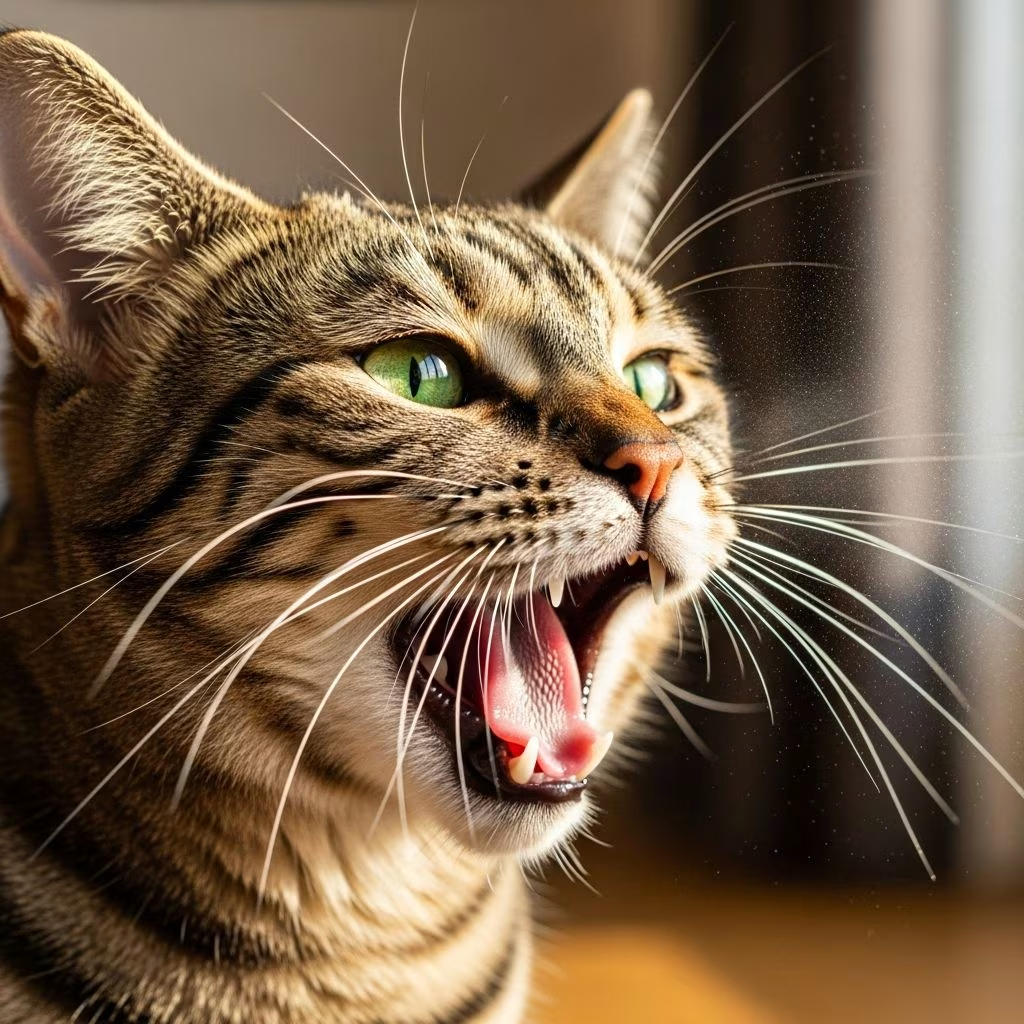
Occasional sneezing in cats serves as a natural reflex to expel irritants from their nasal passages, much like in humans. However, frequent or persistent sneezing often signals underlying health concerns ranging from minor environmental triggers to severe infections requiring veterinary intervention.
Recognizing Normal vs. Abnormal Sneezing Patterns
Cats sneeze briefly to clear dust, pollen, or other particles from their noses, typically resolving without issue. Distinguish this from problematic sneezing by noting frequency, duration, and accompanying signs. A single sneeze or rare episodes amid play or grooming remain benign, whereas clusters of sneezes multiple times daily, especially with discharge or lethargy, demand attention.
- Normal sneezing: Infrequent, dry, no other symptoms.
- Abnormal sneezing: Frequent, wet discharge, eye issues, appetite loss.
Monitor patterns over 24-48 hours; patterns emerging post-exposure to new environments or stressors highlight potential triggers.
Primary Culprits Behind Feline Sneezing
Numerous factors irritate a cat’s sensitive nasal tissues, prompting sneezes. Viral agents top the list, followed by bacteria, allergens, and structural anomalies.
Viral Upper Respiratory Infections
Feline herpesvirus (FHV) infects 80-90% of cats, often dormant until stress reactivates it, causing sneezing with nasal discharge and eye inflammation. Calicivirus and influenza contribute similarly, spreading via shared spaces or grooming. These lifelong infections flare under immunosuppression, leading to chronic episodes if unmanaged.
Bacterial Complications
Bacteria like Bordetella, Mycoplasma, and Chlamydia rarely initiate sneezing alone but exploit viral damage, producing yellow-green discharge indicative of secondary infection. Prompt antibiotic intervention clears these opportunists, restoring nasal comfort.
Fungal and Parasitic Invaders
Cryptococcus fungi, though rarer, infiltrate nasal passages, necessitating rhinoscopy or biopsy for diagnosis. Protozoal or fungal elements provoke inflammation, demanding antifungal therapies or nasal flushes.
Environmental and Lifestyle Triggers
Beyond pathogens, everyday exposures provoke sneezing without infection.
| Trigger Type | Common Examples | Associated Symptoms |
|---|---|---|
| Allergies | Pollen, dust mites, mold, food proteins | Itching, watery eyes, skin redness |
| Irritants | Smoke, perfumes, cleaners, litter dust | Immediate sneezing bursts, no discharge |
| Foreign Bodies | Grass seeds, dust particles | Unilateral sneezing, pawing at nose |
Allergens mimic human responses, with cats rubbing eyes or scratching excessively alongside sneezes. Irritants from household products cause acute reactions, resolvable by ventilation and source removal. Inhaled debris lodges unilaterally, often expelling naturally but sometimes requiring flushing.
Uncommon but Serious Underlying Conditions
Rarer issues merit consideration in persistent cases, particularly in seniors.
- Dental Disease: Root infections erode nasal floors, causing chronic sneezing with foul breath; extraction resolves it.
- Nasal Polyps: Benign growths obstruct passages, inducing discharge and breathing difficulty; surgical removal offers cure.
- Tumors (Neoplasia): Nasal cancers in older cats irritate tissues, confirmed via biopsy; prognosis varies.
- Rhinitis/Sinusitis: Chronic inflammation from allergies or infections swells sinuses, treated with steroids and antibiotics.
Key Symptoms Demanding Immediate Veterinary Evaluation
Not all sneezing warrants a rush to the clinic, but red flags escalate urgency.
- Colored nasal/ocular discharge (yellow, green, bloody).
- Sneezing >10 times/hour or lasting >3 days.
- Lethargy, fever, refusal to eat/drink.
- Breathing distress, open-mouth panting, blue gums.
- One-sided symptoms suggesting foreign body or tumor.
Untreated infections progress to pneumonia, dehydration, or vision loss, underscoring timely care.
Diagnostic Approaches for Accurate Identification
Vets begin with history and physical exams, probing environment, vaccination status, and multi-cat exposure. Advanced tools pinpoint causes:
- Cytology/Swabs: Discharge analysis reveals bacteria, viruses, fungi.
- Rhinoscopy: Endoscope visualizes nasal interiors for polyps, tumors.
- Biopsy/Radiographs: Tissue samples or X-rays detect growths, sinus issues.
- Bloodwork: Assesses systemic infection or immune compromise.
These confirm etiology, guiding targeted therapies over symptomatic relief.
Treatment Strategies Tailored to the Cause
Therapy hinges on diagnosis, aiming to alleviate symptoms and address roots.
Supportive Home Care
Enhance recovery with non-invasive aids:
- Wipe discharge gently with warm, damp cloths.
- Humidify air via steam from showers or devices to loosen mucus.
- Warm canned food to entice eating; ensure hydration.
- Isolate from other pets to curb spread.
Medical Interventions
| Condition | Treatments |
|---|---|
| Viral URI | Antivirals (limited), lysine supplements, supportive fluids. |
| Bacterial | Broad-spectrum antibiotics like doxycycline. |
| Fungal | Oral/topical antifungals, nasal infusions. |
| Allergies/Irritants | Antihistamines, environmental hypoallergenic changes. |
| Chronic Rhinitis | Steroids, nasal flushes. |
Severe cases involve hospitalization for IV fluids, oxygen, nutrition.
Surgical Options
Polyps or irreparable obstructions yield to polypectomy or turbinate reduction, restoring airflow.
Preventive Measures for Respiratory Wellness
Proactive steps minimize flare-ups.
- Vaccinations: Core FVRCP protects against herpes, calici, panleukopenia.
- Stress Reduction: Pheromone diffusers, routine, enrichment curb viral reactivation.
- Home Optimization: HEPA filters, unscented litter, no smoking indoors.
- Regular Checkups: Early dental cleanings prevent root abscesses.
- Nutrition: Immune-boosting diets with omega-3s support nasal health.
Multi-cat homes benefit from quarantine protocols for new arrivals.
Frequently Asked Questions (FAQs)
Is occasional sneezing in cats normal?
Yes, brief sneezes clear minor irritants; concern arises with persistence or symptoms.
Can cats catch human colds?
No, feline viruses differ; transmission occurs cat-to-cat.
How long does a cat URI last?
Mild cases resolve in 1-3 weeks; chronic carriers experience lifelong management.
Should I use over-the-counter meds for sneezing cats?
Avoid; human drugs toxify felines—vet-prescribed only.
Does sneezing indicate cancer?
Rarely in young cats; more common in seniors with unilateral signs—biopsy confirms.
Long-Term Management for Chronic Sneezer
Recurrent cases demand ongoing vigilance: monthly symptom logs, biannual vet visits, allergy testing. Lysine treats modulate herpes shedding; hypoallergenic environments sustain remission. Owners report 70-80% symptom reduction via combined lifestyle and meds, enhancing life quality.
References
- Why Is My Cat Sneezing So Much? — Sacramento Cat Hospital. 2023. https://www.sacramentocathospital.com/blog/why-is-my-cat-sneezing-so-much/
- Why Cats Sneeze: Causes, Symptoms and Treatments — Cabbagetown Pet Clinic. 2022-11. https://www.cabbagetownpetclinic.com/blog/november-2022/why-is-my-cat-sneezing
- Why Is My Cat Sneezing? — PetMD. 2024. https://www.petmd.com/cat/symptoms/cat-sneezing
- Why Is My Cat Sneezing? Does Your Cat Have a Cold? — BluePearl Pet Hospital. 2023. https://bluepearlvet.com/medical-articles-for-pet-owners/cat-sneezing-does-your-cat-have-a-cold/
- What You Should Know About Cat Sneezing — Hill’s Pet. 2024. https://www.hillspet.com/cat-care/healthcare/what-you-should-know-about-cat-sneezing



