

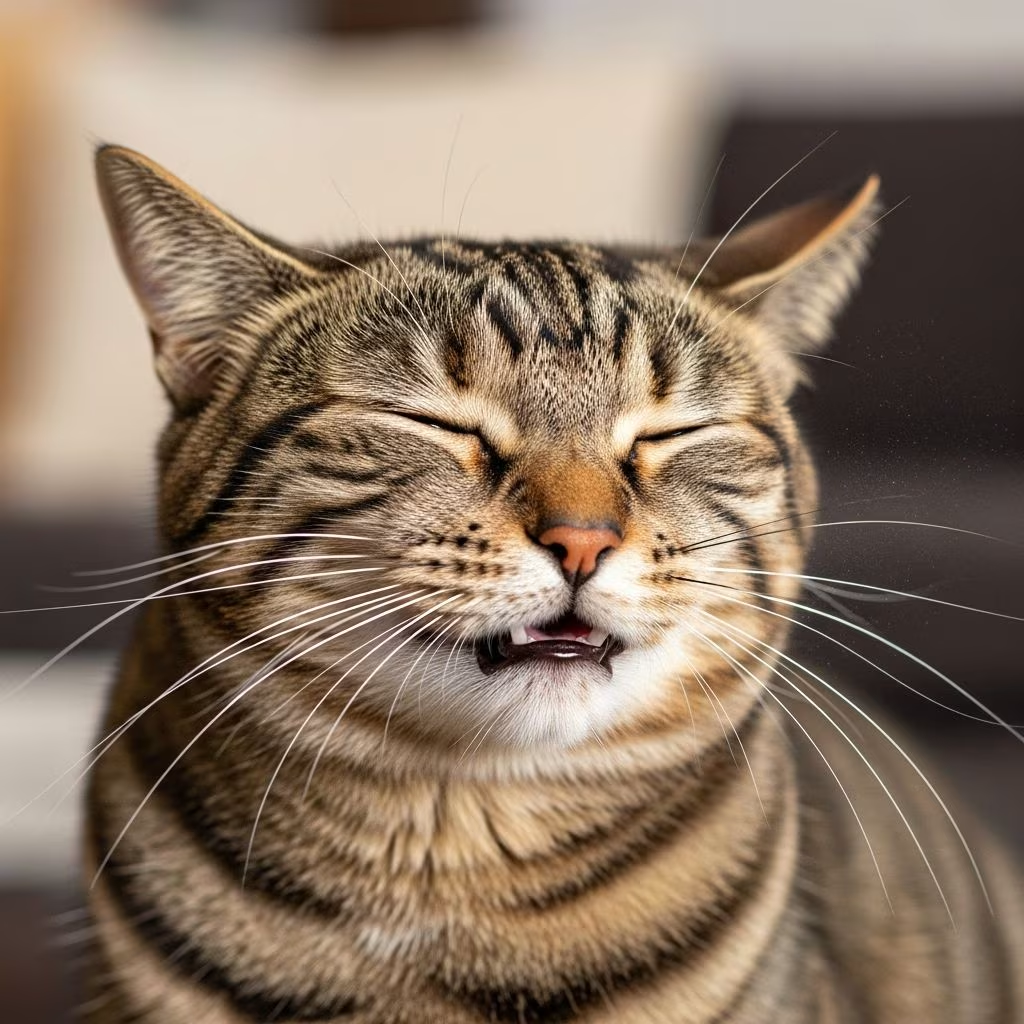
Cats sneeze to clear irritants, mucus, or pathogens from their nasal passages, much like humans. Occasional sneezing is normal, but frequent or persistent episodes often signal an underlying issue requiring attention.
Common Triggers for Feline Sneezing
Sneezing in cats arises from various factors irritating the nasal cavity. Identifying the trigger is key to resolution.
- Viral Infections: Upper respiratory infections (URIs) top the list, with feline herpesvirus (FHV) affecting 80-90% of cats as lifelong carriers. Stress reactivates dormant viruses, causing sneezing.
- Bacterial Overgrowth: Yellow or green nasal discharge indicates bacteria like Bordetella or Mycoplasma, typically secondary to viral damage.
- Environmental Irritants: Dust, smoke, perfumes, or pollen provoke allergic responses or direct irritation.
Recognizing Serious Symptoms
Monitor for accompanying signs to gauge severity. Mild cases involve clear discharge and good appetite; severe ones demand urgent care.
| Symptom | Possible Cause | Action Needed |
|---|---|---|
| Clear discharge, occasional sneezes | Irritants or mild allergy | Environmental check, monitor |
| Yellow/green discharge, fever | Bacterial infection | Vet visit for antibiotics |
| Bloody discharge, weight loss | Tumors or chronic issues | Immediate diagnostics |
| Eye redness, ulcers | FHV or calicivirus | Antivirals, supportive care |
Upper Respiratory Infections in Depth
URIs mimic human colds but stem mainly from viruses like FHV, calicivirus, and influenza. Cats exposed as kittens carry these lifelong, with flare-ups under stress or immunosuppression. No cure exists; management focuses on symptoms.
Symptoms include sneezing, nasal/eye discharge, coughing, and lethargy. Bacterial complications arise if untreated, potentially leading to pneumonia.
Allergies and Irritants: Everyday Culprits
Cats develop allergies to pollen, dust mites, or household cleaners, causing itchy noses and sneezing. Unlike dogs, feline allergies rarely cause dramatic symptoms but persist without allergen removal.
- Groom regularly to reduce dander buildup.
- Use air purifiers and avoid strong scents.
- Vacuum frequently with HEPA filters.
Rare but Serious Conditions
Less common causes include fungal infections like Cryptococcus, requiring biopsies for diagnosis, and nasal tumors prevalent in older cats. Foreign objects or dental disease can also irritate sinuses.
Dental issues cause nasal symptoms via root abscesses eroding into passages, necessitating X-rays and extractions.
Diagnostic Approaches by Vets
Veterinarians start with history and exams, progressing to:
- Blood/urine tests for infections.
- X-rays or CT scans for structural issues.
- Rhinoscopy for direct visualization and biopsies.
- Nasal flushes for cultures.
Early diagnosis prevents chronicity.
Home Remedies for Mild Sneezing
For non-severe cases, support recovery at home:
- Humidify Air: Use a humidifier to moisten passages, easing congestion.
- Clean Discharge: Gently wipe nose/eyes with warm, damp cloths.
- Encourage Eating: Warm canned food to stimulate appetite.
- Saline Sprays: Vet-approved nasal saline clears blockages.
- Hydration: Ensure fresh water access.
Avoid OTC human meds; they can harm cats.
Veterinary Treatments Explained
Treatment matches the cause:
- Antibiotics: For bacterial components, e.g., doxycycline.
- Antivirals: Emerging for FHV, like famciclovir.
- Steroids: Reduce inflammation in rhinitis.
- Antifungals: Oral or infused for Cryptococcus.
- Hospitalization: IV fluids, oxygen for severe URI.
Chronic cases need ongoing management.
Preventing Sneezing Episodes
Proactive steps lower risks:
- Vaccinate with FVRCP against calicivirus and others.
- Reduce stress via enrichment and routine.
- Maintain clean environments, free of irritants.
- Regular dental checkups.
- Quarantine new cats to prevent URI spread.
When to Rush to the Vet
Seek care if sneezing lasts over 3 days, includes colored discharge, breathing difficulty, appetite loss, or affects kittens/seniors.
Frequently Asked Questions (FAQs)
Is occasional cat sneezing normal?
Yes, 1-2 sneezes daily clears debris, but clusters warrant monitoring.
Can cats get colds like humans?
No exact equivalent, but URIs cause similar symptoms from feline-specific viruses.
How long does a cat URI last?
Mild cases: 1-3 weeks; severe or chronic: months with management.
Are cat sneezes contagious?
Viral URIs spread via droplets; isolate sneezing cats.
What home remedy works best for sneezing?
Humidifiers and saline sprays provide quick relief for mild irritation.
Long-Term Management Strategies
For recurrent sneezers, create a low-allergen home: hypoallergenic litter, fragrance-free cleaners, and routine vet checkups. Nutritional support with omega-3s aids immunity.
Track episodes in a journal noting triggers, aiding vets.
References
- Why Cats Sneeze: Causes, Symptoms and Treatments — Cabbage Town Pet Clinic. 2022-11-01. https://www.cabbagetownpetclinic.com/blog/november-2022/why-is-my-cat-sneezing
- Why Is My Cat Sneezing? Does Your Cat Have a Cold? — BluePearl Pet Hospital. N/A. https://bluepearlvet.com/medical-articles-for-pet-owners/cat-sneezing-does-your-cat-have-a-cold/
- What You Should Know About Cat Sneezing — Hill’s Pet. N/A. https://www.hillspet.com/cat-care/healthcare/what-you-should-know-about-cat-sneezing
- Why Is My Cat Sneezing? — PetMD. N/A. https://www.petmd.com/cat/symptoms/cat-sneezing
- My Cat is Sneezing A Lot, What Do I Do? — Saratoga Veterinary Hospital. N/A. https://saratogavethosp.com/blog/my-cat-is-sneezing-a-lot-what-do-i-do/
- Sneezing in Cats — Joii Pet Care. N/A. https://www.joiipetcare.com/blogs/health-symptoms/sneezing-in-cats
- What Can I Give My Cat for Sneezing? — Whisker (Litter-Robot). N/A. https://www.whisker.com/blog/what-can-i-give-my-cat-for-sneezing



